Concrete Footer Richardson Cove TN
Installation & Repair by Anchored Construction
Have you ever wondered what keeps a deck, patio, home, garage, warehouse, or office building steady through heavy rain and freezing winters?
Made for homeowners, this guide explains Concrete Footer Richardson Cove TN and footing work in plain job-site terms. It shows how a concrete footer supports a foundation and how the proper sizing and materials are determined at the project site.
Anchored Construction & Restoration has served Richardson Cove and East Tennessee since 2000 under Travis Bullington. The team builds decks, patios, retaining walls, and more. They use proven products and materials suited to each application.
The guide also outlines common warning signs of failing footings and how contractors decide between repair and replacement. If your project supports a building or heavy load, careful planning protects long-term value.
Call (865) 316-6933 or email Info@anchoredconstructiontn.com today for a quote or inspection. Clear communication is part of the service homeowners expect.
Key Takeaways
- Learn what footings do and why they are important for your foundation.
- See how contractors figure out sizing and materials directly in the field.
- Understand the warning signs that can indicate concrete footer issues.
- Know when repair will do the job and when replacement is necessary.
- Anchored Construction brings local experience and dependable products to every job.
- Contact Anchored Construction today to schedule a professional inspection or request a quote for your Concrete Footer Richardson Cove TN project

Anchored Construction: Your Concrete Footer Richardson Cove TN builder
When selecting a concrete footer Richardson Cove TN builder, experience and local expertise matter. Anchored Construction, led by Travis Bullington, a Knoxville native and University of Tennessee graduate, brings a unique combination of professional knowledge and hometown pride to every project. Our deep understanding of East Tennessee's building requirements, climate considerations, and architectural styles ensures your concrete footer will be built right the first time. That background shapes a practical, safety-minded approach to every site.
For a straightforward process and transparent pricing, call (865) 316-6933 or email info@anchoredconstructiontn.com to request your free quote today.
Deep Community Roots
Local Expertise That Makes a Difference
As lifelong residents of Knoxville, we understand the unique challenges and opportunities of building in East Tennessee. From navigating local building codes to recommending materials that withstand our specific climate conditions, our local knowledge translates into smoother projects and better results for you.
This approach helps limit surprises along the way. Homeowners get transparent quotes, practical timeline expectations, and proactive communication from a consistent team they can rely on.
Practical know-how about soil behavior, building requirements, and neighborhood standards.
Permit coordination, material selection, and clear milestone scheduling.
Reviews of project specs, punch list follow-through, and warranty handoff when the job is done.
We establish project milestones upfront so the work runs efficiently and disruptions remain minimal.
Expect clear options, easy-to-read material specs, and accurate budget ranges—meaning no surprises later.
Share
More Posts
Local & Reliable
Contact us today to schedule your free consultation and take the next step toward your custom concrete footer project.
Ready to Start Your
Concrete Footer Richardson Cove TN Project?
Understand What Concrete Footer Is and Why It Matters for Your Foundation
A properly sized concrete base helps spread a building's weight so posts and walls remain stable for years to come.
In everyday terms, a footing is a widened section of concrete installed beneath a post or wall. It creates more bearing area so the foundation is less likely to shift or settle unevenly.
In the field, builders often say "concrete footer" or concrete footing as interchangeable terms. Homeowners may hear both names for the same piece of the foundation system.
How Concrete Footers help move building load into the ground below
Loads travel from the structure down into the footing and then into the soil. The goal is to spread the weight over a wide enough area so the soil can safely support the structure without shifting, cracking, or settling over time.
Even smaller structures can place a lot of weight on posts. A deck, porch, pergola, or pole-barn post still needs a stable bearing surface to help prevent tilting, cracking, or total failure.
Durability and strength matter because a Concrete Footer Richardson Cove TN should hold up against weather and help reduce long-term shifting. Proper footing size depends on the soil, the load, and local code requirements, not guesswork. The next section explains sizing basics in a clear way.
Concrete Footer Sizing Basics: How Soil, Loads, and Frost-Line Depth Affect the Work
The soil below your structure plays a big role in how wide and deep a footing should be. For homeowners, soil bearing capacity means how much weight the ground can safely carry. If the soil is weaker, the base must be wider so the load can be spread over a larger surface area.
Proper Steps for Installing Concrete Footings
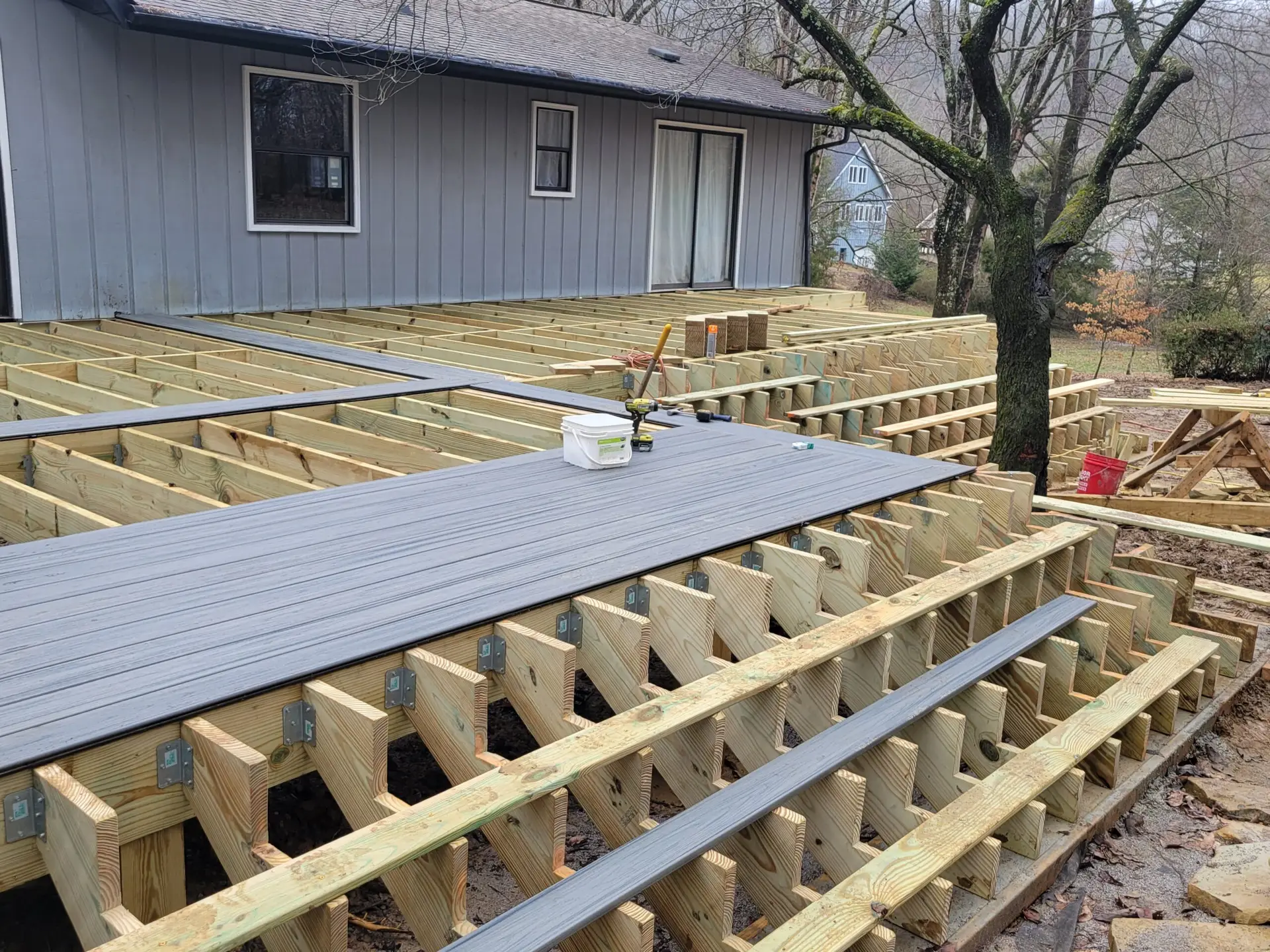
Good footing work starts well before the concrete truck shows up — with careful layout and solid site prep. Safety should come first. Cement-based materials are caustic, so wear eye protection and waterproof gloves, and always keep clean water close by.
Checklist for safety prep and materials
Check local codes to confirm the minimum diameter and required depth. Footings usually need to extend below the frost line to help resist movement caused by freeze-thaw cycles.
Excavation and base
Mark post or wall locations and excavate to the required depth based on local code and frost line. A Concrete Footer Richardson Cove TN is typically installed on virgin (undisturbed) soil to ensure proper bearing capacity and long-term stability. In engineered situations, additional base preparation may be specified, but most structural footings rely on firm, native soil conditions.
Forms, pouring, and finishing
Cut and measure the tube form, like Sonotube®, to the depth of the hole and set it in place with the uncut end facing upward. Fill the form about halfway, then use rebar or a shovel to consolidate the mix and remove empty spaces. Continue filling the form, slightly overfill it, smooth and level the top surface, and place the hardware so the anchors stay aligned with the building line.
Curing time and when to apply load
Let the concrete cure about 48 hours for heavy weight, 24 hours for lighter loads, before placing weight.
For standard mixes, wait roughly 3 days before continuing construction.
More cure time leads to better final strength and can reduce cracking at the surface.
Concrete Footer Repair: Finding Problems and Choosing the Right Fix
If a building develops tilt or new cracks, the cause often begins below grade. Seeing these warning signs early can help homeowners avoid larger repair work.
What commonly causes failure
Settling happens when soil under a pad was not well compacted. Water movement and poor grading cause shifting. Freeze–thaw cycles lift shallow bases and repeat movement weakens support.
Visible signs homeowners can notice
Fresh cracks near posts or at the point where a structure joins the home.
Doors and gates that do not line up or fit squarely anymore.
Uneven deck surfaces or spaces forming near the foundation wall.
Repair paths and prevention
Not every crack is a sign of major trouble. Hairline shrinkage is fairly common. Still, widening cracks or uneven offsets can point to soil or load problems.
Repairs can include stabilization, underpinning, widening the bearing area, or replacing damaged sections. Fixing drainage and regrading the site is critical when runoff has washed away the soil that provides support.
Anchored Construction & Restoration reviews loads and site conditions before recommending a long-term solution. That helps contractors fix the real cause instead of only treating the surface symptom.
Local & Reliable

We help you build strong foundations with properly designed and installed concrete footers.
Design & Build StrongConcrete Footers in Richardson Cove TN
Reasons Homeowners Choose Anchored Construction
Creating a well-built outdoor space starts with clear communication and strong local experience. Anchored Construction brings East Tennessee roots and decades of field work under founder Travis Bullington to every project.
Knoxville heritage, solid craftsmanship, and a strong passion for East Tennessee living
Local expertise guides material choices and installation methods that handle seasonal weather. The company selects concrete pavers, clay brick, and natural stone (including flagstone) to match each home’s exterior.
Experienced team for patios, walkways, driveways, and outdoor poolside living spaces
The team pays close attention to clean lines, tight joints, and smooth transitions, helping prevent unexpected issues on flat yards, sloped areas, and tight-access sites.
“We believe in the strength of our local economy. When Richardson Cove´s businesses support each other, we all benefit—especially our customers, who receive better service and value.”
— Travis Bullington, Owner
Read Our Local Reviews
The quality of our work and the words of our customers speak for themselves. Read what they share about their experience working with us:
Get in Touch With Us
We’d be happy to review your Concrete Footer Richardson Cove TN project and answer any questions you have about our services, materials, or installation process.
In Summary
Small errors below the ground can become major problems once they show up above it.
A properly planned Concrete Footer Richardson Cove TN protects your foundation by making sure the design fits soil conditions, structural load, and frost-depth realities. Proper installation and on-time repair reduce long-term risk and help preserve your home’s value.
Avoid guessing on sizing or placement when you are dealing with a building’s weight. Even minor below-grade errors often result in expensive repairs later.
If you want peace of mind, schedule an on-site evaluation or quote with Anchored Construction & Restoration. For installation services, repairs, or a site visit in Knoxville and East Tennessee, call (865) 316-6933 or email Info@anchoredconstructiontn.com today.
Led by Knoxville native Travis Bullington, Anchored Construction brings decades of experience and a “do it right” mindset to projects that include deck building, concrete services, landscape and hardscape work, retaining walls, outdoor kitchen design and construction, and more.
Frequently Asked Questions You Should Know
Why does a concrete footer matter for my foundation, and what is it exactly?
A concrete footer is the load-bearing base designed to spread the weight of a structure into the soil. Properly sized footings help stop uneven settling and reduce the risk of structural damage. Anchored Construction & Restoration explains that a well-built footer protects walls, slabs, and posts by creating stable support that matches local soil and load conditions in East Tennessee.
Do footer and footing mean the same thing?
Builders often use these terms interchangeably. Both refer to the concrete base below foundations and columns. In practice, “footing” may describe standard strip footings or isolated bases, while “footer” is the more common term homeowners tend to use. Anchored Construction & Restoration uses clear language that matches what contractors say on site.
How do footings help carry building loads down into the soil?
Footings increase the contact area between structure and ground so the soil bears loads without exceeding its capacity. Correct width and depth distribute weight evenly, reducing pressure on any single point. This prevents settlement, keeps walls plumb, and preserves long-term strength.
What structures rely on footings?
Many residential and light commercial elements use footings: foundations under homes, porch and deck supports, garage slabs, column bases, and pole barn posts. A proper Concrete Footer Richardson Cove TN matter for any load-bearing component connected to the ground.
How does soil bearing capacity affect footing sizing?
Soil bearing capacity controls how much surface area a footing will need. Weaker or looser soils usually require wider and sometimes deeper bases to distribute the load the right way. A site evaluation or geotechnical report helps determine the proper sizing. Anchored Construction & Restoration assesses soil conditions in Richardson Cove to recommend safe dimensions.
What are the usual code-based ranges for footing width and thickness?
Building codes differ by location, but common residential minimums often set footing widths from 12 to 24 inches depending on soil and structural load, with strip footing thicknesses commonly falling between 8 and 12 inches. Local code requirements and engineering guidance can change these measurements. Contractors check the exact requirements before work starts.
Why do footings have to extend below the frost line?
Frost heave can push up shallow foundations during freeze-thaw cycles. Putting footings below the frost line helps prevent movement from season to season. Frost depth is not the same everywhere, so contractors in the Knoxville area follow local code and climate data to set safe footing depths.
At what point should an engineer or contractor be brought into the project?
An engineer or experienced contractor should be involved when there are unusual loads, sloped ground, poor soil, or plans that exceed standard residential dimensions. More complex situations — such as heavy equipment pads, multi-story additions, or structures on fill — need structural input to design safe footings.
What safety measures and materials should be in place before installing footings?
Prepare the site by locating utilities, setting a stable work area, and collecting materials: ready-mix cement-based products, rebar or reinforcement, forms, and hardware. Personal protective equipment and shoring for excavations are essential for safe work.
In what way do local building codes influence minimum diameter and depth?
Building codes set the minimum standards for concrete footer dimensions, reinforcement, and frost protection. Those rules are based on regional soil and climate conditions. Contractors secure permits and follow the code for diameter, depth, and reinforcement before pouring concrete.
What is the correct approach to excavation and layout?
Mark the lines and dig holes or trenches deeper than the planned footing so you can reach undisturbed soil. Remove any soft material, check elevations with a level or laser, and slope the sidewalls for stability. Proper layout helps the footing rest on a solid base and line up correctly with the structure above.
What are tube forms used for, and how are they used in a project?
Tube forms, often known as Sonotube®, are cylindrical molds made for round piers and posts. Contractors measure and cut the tubes, set them plumb on a compacted base, and brace them if needed. When they are placed correctly, they help keep the diameter consistent and the poured mix properly aligned vertically. For more complex or special footer needs, forms can also be built out of lumber.
What is the right way to pour and consolidate the mix?
Fill the forms at a steady pace and avoid large drops that can cause segregation. Use vibration or tapping to help consolidate the material and remove voids. Proper consolidation improves strength and helps reduce honeycombing that may weaken the footing.
What finishing and hardware work comes after the surface is leveled?
Strike off the top to the proper elevation, smooth it with a trowel where needed, and set anchor bolts or embedded hardware right away while the mix is still workable. Proper placement helps ensure secure connections for the structure above.
How much time does a footing need to cure before supporting weight?
Curing time depends on the mix and the weather, but it often ranges from 24 to 72 hours for light loads and up to 7 days before construction activity continues. Full strength usually develops over 28 days. Contractors follow manufacturer recommendations and engineering specifications before moving forward with more construction.
What causes concrete footer failure?
Failures can result from poor soils, insufficient depth, undersized footings, erosion, poor drainage, freeze-thaw conditions, and improper compaction or mixing. Finding the root cause helps determine the right repair approach.
What are the main repair options for cracks, movement, or undermined footings?
Repair options can range from epoxy or polyurethane injection and localized patching to underpinning, widening footings, or using helical piers for stabilization. The best method depends on how severe the damage is, the soil conditions, and how important the structure is. Anchored Construction & Restoration evaluates each case and recommends durable fixes.
What helps prevent repeat issues from happening again?
Improve site drainage, extend downspouts, keep the grade sloping away from the structure, use enough depth below frost, and make sure loads are distributed correctly. Regular inspections and timely repairs help reduce the risk of recurring problems.
Things we are great at…
After over 25 years in business, we’ve learned a thing or two about how to wow our clients on every project. Whether commercial or residential, let us use our knowledge and experience to help bring your ideas to life.