Anchored Construction & Restoration has served East Tennessee for over 25 years. The team brings local craft and outdoor care to every project.
This short guide shows a clear, stepwise approach you can use with basic tools. Pre-wetting pavers helps prevent surface damage when applying any solution. Stiff-bristle brushes beat wire tools for safety and finish.
Review the care guidance for your specific material before starting. That avoids accidental wear and keeps joint sand intact. For deeper work, professionals can restore and seal surfaces for lasting results.
For help in Knoxville and nearby areas, call (865) 316-6933 or email Info@anchoredconstructiontn.com. These tips make maintenance doable, repeatable, and safe.
Key Takeaways
- Simple tools and pre-wetting protect surfaces and joint sand.
- Use stiff-bristle brushes, not wire, to avoid harm.
- Match the cleaning method to your pavers and finish.
- Anchored Construction offers expert restoration after 25 years serving East Tennessee.
- Contact (865) 316-6933 or Info@anchoredconstructiontn.com for professional help.
Start Smart: What Homeowners in East Tennessee Should Know Before Cleaning Patio Pavers
A quick inspection and a few safeguards will protect both pavers and your landscape. Identify the paver type and finish first. Concrete and porcelain need different care and pressure levels.
Walk the area. Note embedded dirt, weeds, and shaded garden edges where stains form. Read manufacturer or installer guidance before using any cleaning solution. This prevents avoidable damage on sealed or textured surfaces.
Remove furniture, planters, and loose debris so the workspace is safer and more efficient. Wear non-slip shoes; wet surfaces can be slippery. Pre-wet the surface to reduce chemical impact and help lift dirt.
- Choose equipment that fits the patio size and condition; start gentle and increase pressure only as needed.
- Plan drainage and runoff to keep chemicals out of garden beds and lawns.
- If you must protect joint sand, keep pavers without heavy jets; use low-pressure rinses and controlled paths.
For guidance tailored to your build and finish in Knoxville and East Tennessee, contact Anchored Construction & Restoration at (865) 316-6933 or Info@anchoredconstructiontn.com.
Tools, Materials, and Safety Gear You’ll Need
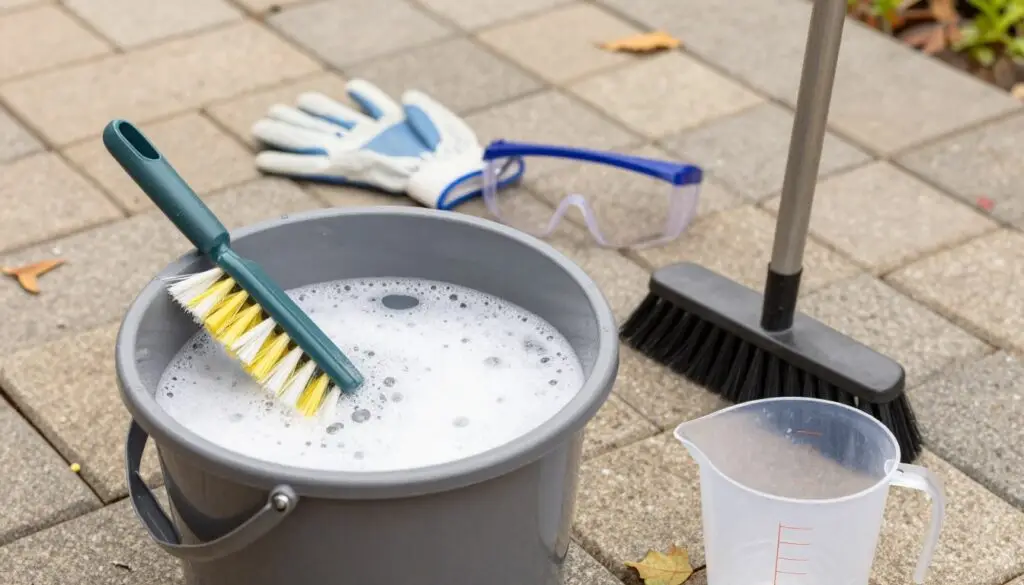
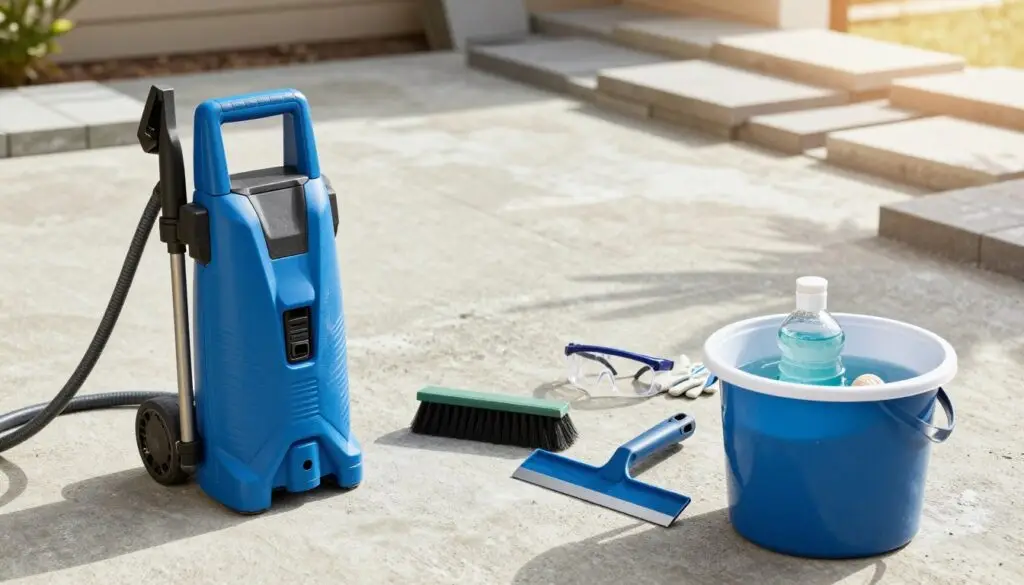
Gathering the right gear makes routine maintenance faster and safer. A garden hose with a spray nozzle, a push broom, and a stiff-bristle brush handle most jobs without special training.
Basic tools and equipment:
- Push broom for loose debris.
- Stiff brush for scrubbing grit and stains.
- Garden hose or controlled rinse with water; optional pressure washer if used on low settings.
Cleaning materials and products: Keep a bucket, mild dish soap, and a paver-safe cleaning solution on hand. Use white vinegar sparingly and test in an out-of-sight spot. Avoid harsh chemicals that can etch the surface or harm landscaping.
Safety first: Wear gloves, protective glasses, and non-slip footwear. Follow manufacturer care guidance and label instructions for any chemicals or specialty products. Anchored Construction & Restoration recommends simple, reliable gear for DIY work and offers professional-grade equipment and products for deeper restoration or sealing. Call (865) 316-6933 or email Info@anchoredconstructiontn.com for advice or service.
How to Clean Paver Patio the Right Way: A Step-by-Step Guide
Begin by moving furniture and pots off the work area so every edge is reachable. Sweep loose debris and pull weeds from joints. This small prep saves scrubbing time and protects finishes.
Pre-wet the surface with a hose to loosen dirt and reduce chemical shock. Mix a mild dish soap with water or use a labeled cleaning solution designed for pavers. Let it sit a few minutes on stubborn spots.
- Scrub using a stiff brush in straight strokes. Avoid wire bristles that can scar the finish.
- Rinse section by section with a gentle flow so loosened grit does not settle back.
- Reassess stained areas and repeat the step where needed. Spot-treat only as required.
- Use vinegar sparingly and only on compatible pavers; test a small area first and rinse after a short minutes-long dwell.
- Allow the patio to dry fully before returning furniture to prevent marks from trapped moisture.
Anchored Construction & Restoration can perform this process or coach you through it for reliable results across East Tennessee. Call (865) 316-6933 or email Info@anchoredconstructiontn.com for help.
Protect the Sand Between Pavers While You Clean
Protecting joint sand preserves stability and keeps the surface looking even. Small choices during rinsing prevent erosion and shifting.
Low-pressure methods are best. Favor a garden hose or a gentle washer setting. That reduces the risk of joint loss so you keep pavers without loosened sand and shifting edges.
- Use a wider fan tip and low pressure if a machine is needed.
- Inspect joints after rinsing and refill where sand is low.
- Sweep polymeric sand across the area, vibrate it in, and mist with water per label to set the product.
A 50-lb bag often covers about 50–75 sq ft depending on joint width and depth. Sealing later helps lock sand, resist stains, and protect the surface.
Choose products suited for local climate and your paver type. If you see recurring washouts or settled sections, call Anchored Construction & Restoration for joint refills, sealing, and repairs in Knoxville and East Tennessee at (865) 316-6933 or Info@anchoredconstructiontn.com.
Tackling Tough Stains Without Harsh Chemicals
Smart stain work focuses on matching treatments to each surface type. Targeted steps remove most marks without resorting to harsh chemicals. Testing a small area first prevents damage.
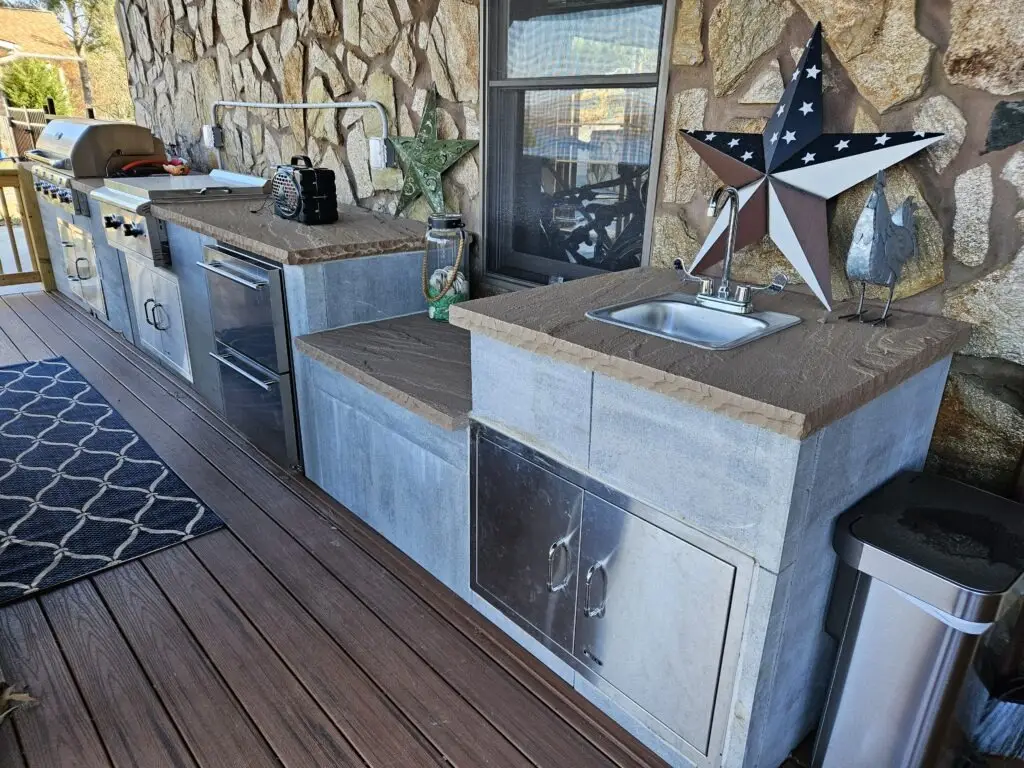
Grease and food spills from grills and outdoor kitchens
Treat grease fast. Use warm water and dish soap. Agitate with a soft brush and blot rather than spread the oil.
Organic stains from leaves, dirt, and garden debris
Apply a mild cleaning solution and let it sit a few minutes. Scrub gently and rinse thoroughly. Repeat light applications rather than one aggressive pass.
Rust marks and metal furniture stains
Use a labeled specialty cleaner for rust and metal marks. Follow product directions and test first. Lift furniture and add pads to prevent future marks.
When to use vinegar or specialty cleaners
Vinegar can work on some paver types but use it sparingly. Never apply at high strength or leave it on for long minutes. Always rinse promptly and verify compatibility.
- Treat grease quickly with warm water and dish soap; blot excess oil.
- For organic marks, use a mild solution, wait a few minutes, then scrub and rinse.
- Match the product to the paver type and test in a discreet spot before scaling the step.
- Repeat light treatments and use furniture pads to prevent new stains.
- If stains resist, Anchored Construction & Restoration can diagnose and apply professional-grade cleaners and sealing. Call (865) 316-6933 or email Info@anchoredconstructiontn.com.
Pressure Washer or Elbow Grease? Choosing the Best Way to Clean Pavers
A measured approach keeps surfaces intact while removing buildup. Start with manual work and a stiff brush on smaller areas or light buildup. That often avoids unnecessary wear and limits use of strong chemicals.
- Begin at low pressure and a wide fan tip. Test a short step in an out-of-sight spot.
- Keep the wand moving in smooth, overlapping strokes. Maintain a steady distance to prevent damage and protect joints.
- Do not force jets into joints. Rinse away from edges so water and sand flow safely off the base.
When to call a pro
Hire an expert for deep stains, worn sealers, or areas with settled or missing sand. Professionals can restore joint material, reseal surfaces, and match color. Expect bundled work—cleaning, sand replacement, and sealing—at roughly $1–$2 per square foot.
Anchored Construction help in Knoxville
Anchored Construction & Restoration offers safe, effective cleaning, joint-sand restoration, and sealing across East Tennessee. For an on-site estimate, call (865) 316-6933 or email Info@anchoredconstructiontn.com.
Ongoing Maintenance Tips for a Clean Patio All Year
Routine care keeps pavers performing well and looking fresh through seasons. Small, regular steps prevent dirt build-up and cut down on heavy work later.
Weekly and seasonal habits make maintenance predictable and simple. Sweep with a broom each week to remove grit and leaves before they stain. Rinse with a hose now and then to keep dirt from settling between joints.
- Spot-treat spills quickly with a mild solution and soap to avoid set stains near grills and planters.
- Pull small weeds promptly and top off joint sand when it looks low.
- Add edging in garden-adjacent areas and use furniture pads to prevent scuffs and rust rings.
After storms or heavy pollen, a quick rinse and inspection saves effort later. Sealing every few years helps resist stains and makes future cleanings faster.
Anchored Construction & Restoration offers maintenance plans, seasonal inspections, and sealing to protect surfaces across Knoxville and East Tennessee. For service, call (865) 316-6933 or email Info@anchoredconstructiontn.com.
Conclusion
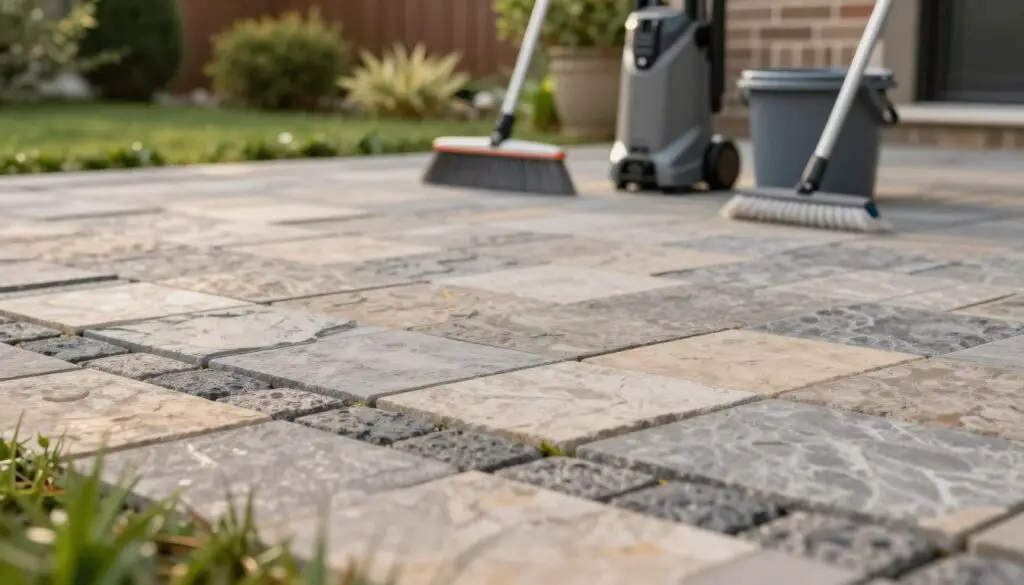
A short, methodical process protects materials and extends service life. Pre-wet, apply a mild solution, scrub with a stiff brush, rinse with controlled water, and let the surface dry. This step sequence makes maintaining patio pavers straightforward and effective.
You now have a practical guide and clear actions to keep patio pavers looking their best. Mild soap, a suitable cleaner, controlled water, and regular attention solve most issues without damage.
When stains persist or the joint sand needs work, Anchored Construction & Restoration can clean pavers, re-sand, and seal for lasting protection. Call (865) 316-6933 or email Info@anchoredconstructiontn.com for a tailored maintenance plan or service.