Curious whether a new outdoor living area can fit your budget or will demand a major project rethink?
Anchored Construction & Restoration has served Knoxville since 2000. Led by Knoxville native Travis Bullington, the team brings over 25 years of experience on residential and commercial work. Homeowners get clear guidance on installation choices and realistic estimates.
This buyer’s guide explains common per-square-foot ranges and what drives final totals. Expect concrete pavers, brick, and natural stone price examples. Learn which materials and site conditions raise labor and material needs.
Understand where your budget goes: base prep, drainage, pattern complexity, and premium materials make the biggest difference. Anchored Construction helps you match design goals to a realistic budget and delivers a professional estimate for your home.
Key Takeaways
- Typical pricing varies widely by material and design complexity.
- Site prep and base depth often drive installation time and expense.
- Concrete, brick, and natural stone each offer trade-offs in durability and look.
- Anchored Construction & Restoration provides local expertise and clear estimates.
- Knowing common per-square-foot ranges helps you plan a realistic budget.
Knoxville paver patio cost at a glance (present)
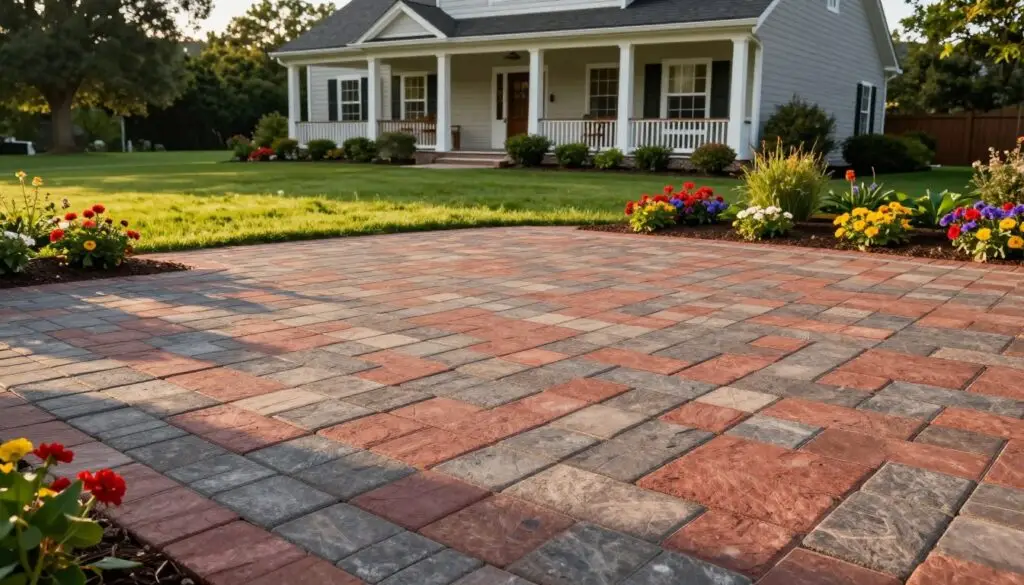
Typical Knoxville installs fall into clear per-square ranges that help homeowners set expectations fast.
Average cost per square foot in Knoxville
Nationwide installed ranges for standard designs sit near $10–$24 per square foot. In the Southeast, professional crews often record outcomes closer to $19–$26 per square foot on mid‑size jobs.
Typical total price for a 200–400 square foot area
A 200 square feet project often totals in the low‑to‑mid thousands. Fixed setup and mobilization can raise the per square figure on smaller areas.
A 400 square foot example usually yields better economies of scale. Many jobs fall in the mid to upper five figures when premium materials, complex patterns, or extra site work appear. Some benchmarks show 400‑square‑foot totals near $12,000–$16,000, and higher designs may reach $30–$40 per square foot.
- Local context: Anchored Construction provides line‑item estimates for Knoxville to replace broad averages with firm numbers.
- Season and access affect crew availability and final price.
- Bigger areas often lower the per square rate by spreading setup and equipment time.
how much does paver patio cost: key factors that move the price
A few site and design choices can change your final estimate more than you expect.
Size and shape
Larger areas usually lower the per square figure. Fixed setup, crew mobilization, and equipment spread over more surface. That makes bigger jobs more economical per square foot.
Design complexity
Simple rectangular layouts reduce cutting and speed paver installation. Curves, borders, and custom inlays add time and waste.
Expect pattern work to raise totals by about 20–40% when extra cutting and precision are needed.
Site prep and access
Soil type drives base depth. Clay often needs a deeper aggregate layer than sandy soils to stay stable.
Removing old concrete or existing pavers is additional demolition and hauling work. Tight access, long carries, or steep slopes can add roughly $2–$4 per square foot for handling and special equipment.
Drainage and seasonality
Drainage is essential. Integrating slope, channel drains, or a permeable base protects the home and surface.
Seasonal demand affects scheduling and labor availability. Anchored Construction brings excavation and bobcat services in-house to manage site prep, access solutions, and base construction with experienced crews.
- Bigger size often lowers per-square rates.
- Complex design increases labor and waste.
- Soil, access, and drainage control long-term performance.
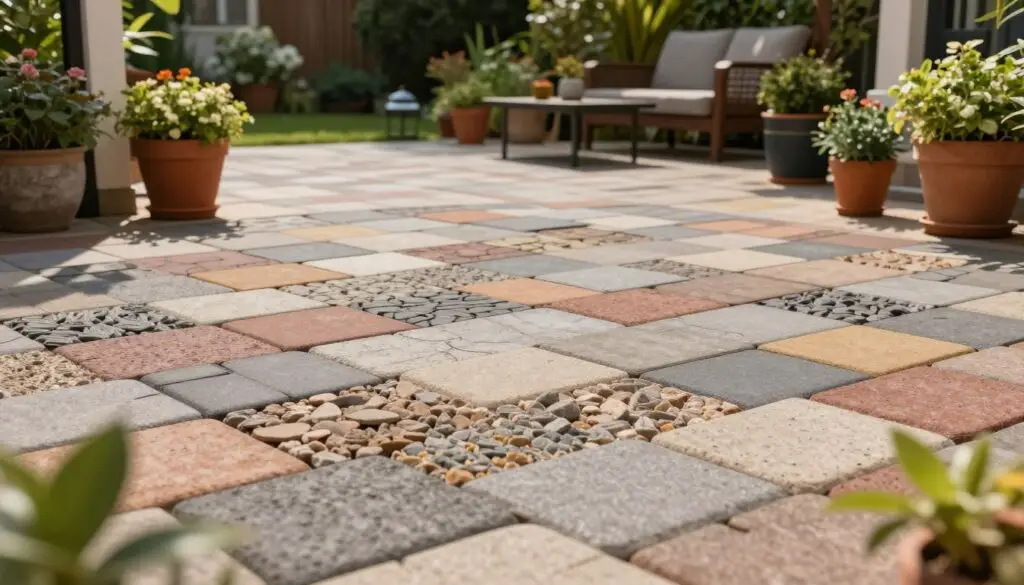
Materials comparison: concrete, brick, natural stone, porcelain, and permeable pavers
Different hardscape materials deliver distinct looks, maintenance needs, and installed price ranges.
Per-square-foot ranges (materials and installed)
Installed averages often run: concrete pavers $8–$16 per square foot, brick $14–$24, and natural stone $12–$30. Material-only ranges can span $2–$30 per square foot depending on type. Porcelain typically sits $10–$22, and permeable systems $6–$18. Expect professional labor to add roughly $7–$15 per square foot.
Durability, maintenance, and look: picking the right material for your budget
Concrete pavers are the most budget-friendly installed option and come in many shapes and colors.
- Brick provides a timeless look and stable color but fewer shapes than concrete.
- Natural stone offers unique texture and high-end appeal with higher material and installation needs.
- Porcelain gives a sleek, slip-resistant surface and strong stain resistance; it needs careful handling.
- Permeable systems help stormwater management via engineered bases and open joints.
Complex patterns can add 20–40% to the total due to extra cutting and layout time. Consider sealing, joint stabilization with polymeric sand, and local weather when you compare long-term maintenance and quality. Anchored Construction installs a wide range of materials and can help balance look, durability, and upkeep with your budget for a lasting paver patio.
Knoxville-specific pricing context and regional considerations
Local factors in Knoxville shape final estimates more than national averages might suggest. Site slope, neighborhood access, and seasonal demand all change line items and timelines.
How Southeast labor rates influence your estimate
Labor in the Southeast tends to be more efficient than in higher‑cost regions. That often yields lower per square prices for a 400 square foot example.
Example: Comparable regional jobs commonly land in the $19–$26 per square foot range for professional installs.
Local availability of pavers and aggregates in East Tennessee
East Tennessee suppliers stock common lines and base aggregates. That reduces freight delays and keeps materials and lead times steady.
- Location advantage: local quarries and yards lower transport and wait times.
- Estimates reflect access limits, staging, and terrain near the Smokies.
- Local crews size the base and drainage to regional soils for long life.
Ask Anchored Construction & Restoration for a written estimate that ties labor, materials, and per square assumptions to your specific area and site.
DIY vs. professional installation: costs, tools, and risks
Tackling a paving project yourself saves upfront fees but shifts time and risk to you. Homeowners should compare tool rentals, disposal logistics, and expected results before deciding.
DIY costs to expect
Material and tool budgets often run $12–$17 per square foot for a full DIY build. Typical rentals include a sod cutter (~$79), wet saw (~$79), compactor (~$106), jackhammer (~$125), and a bobcat (~$280/day).
Professional labor value
Complete professional installs commonly land near $20–$27 per square foot. Labor costs typically add $7–$15 per square foot and cover base prep, drainage, cutting, edge restraint, and joint stabilization.
- DIY can save money up front but requires time and heavy equipment handling.
- Hidden expenses include hauling, disposal fees, and repeat fixes from poor base work.
- Anchored Construction manages excavation, hauling, and base work in‑house, reducing coordination and long‑term risks.
- Complex patterns and tight sites increase both DIY difficulty and professional hours; plan contingencies.
What’s included in a professional estimate (and what usually isn’t)
Professional bids spell out each step so homeowners know exactly what work will be done. Anchored Construction provides clear, line‑item proposals that define scope, materials, and schedule for Knoxville projects.
Typical inclusions
Standard scopes list excavation to a specified depth, base aggregate, and compaction. They show bedding sand, laying of pavers, cutting, and edge restraints.
Joint stabilization with polymeric sand is usually included. The proposal should name materials and show square footage takeoffs for transparent pricing.
What is often separate
- Demolition and disposal of old concrete or existing pavers are usually line items.
- Sealing is commonly optional and quoted separately based on finish and materials.
- Drainage upgrades, like channel drains or permeable sections, appear as add‑ons.
Permits may be required in some jurisdictions. A good estimate identifies who secures permits and any timeline impact.
Labor entries reflect access limits, cutting complexity, and staging. Clear estimates reduce surprises and keep the project on schedule and within the agreed budget.
Popular upgrades and add‑ons that impact patio cost
Small additions often produce big returns in usability and visual impact for outdoor areas. Homeowners choose from a range of options to match taste and budget.
Fire pits, seat walls, and lighting
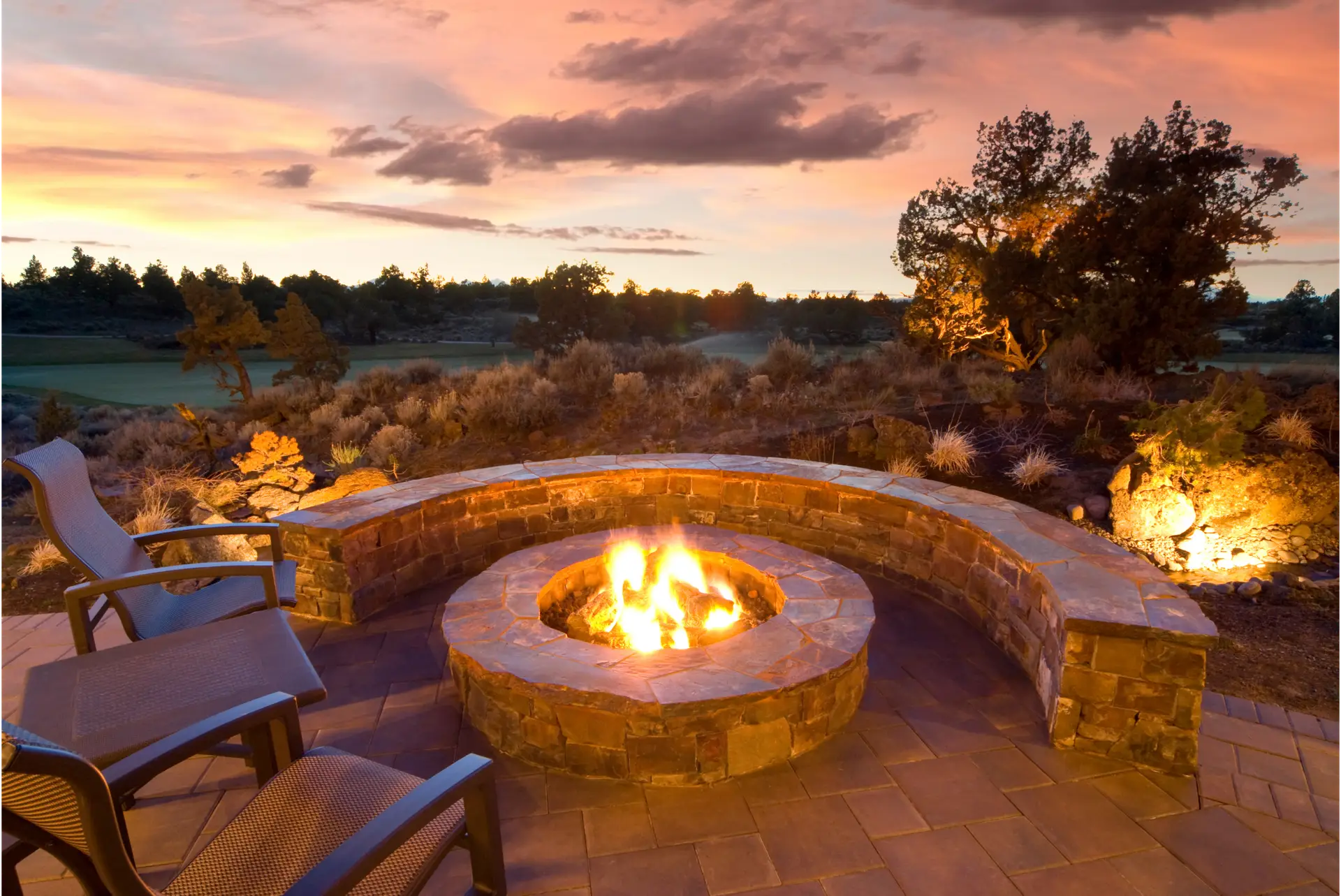
A built-in fire pit creates a focal point and extends seasonal use. Seat walls add permanent seating without cluttering the space.
Integrated lighting improves safety and sets the evening mood. These elements raise the overall price but boost function and resale appeal.
Outdoor kitchens, pergolas, and integrated landscaping
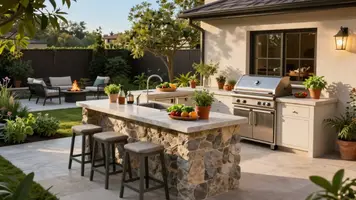
Outdoor kitchens vary from a simple grill island to full culinary stations with plumbing and gas. Pergolas add shade and style; footings must tie into the base and surface for long life.
- Softscaping frames the hardscape and blends materials for a cohesive design.
- Intricate patterns or borders often add 15–25% to labor for layout and cutting.
- Plan utilities early to coordinate drainage, wiring, and weight loads with the main paver patio.
Anchored Construction & Restoration designs and builds outdoor kitchens, seat walls, pergolas, and integrated landscaping to complete functional outdoor living spaces. Select materials that connect upgrades to the main surface for clean transitions and a unified design.
Smart ways to save without sacrificing quality
Targeted decisions early in the process can shrink budgets while preserving long‑term value. Anchored Construction & Restoration can phase projects and suggest value‑engineered options to meet your goals without lowering quality.
Optimize size, choose simpler patterns, and buy materials in bulk
Right‑sizing the patio reduces total spend and keeps usability. Larger areas often lower the per square and per square foot figures, while trimming a few feet can cut initial outlays.
Favor rectangular footprints and simpler patterns. That avoids extra cutting and a 15–25% labor adder. Buying materials in bulk and sourcing locally lowers freight and gives consistent dye lots.
Do selective DIY prep while leaving installation to pros
- Handle safe tasks like light clearing or removing old edging to save work time.
- Leave base prep, compaction, and final setting to pros for lasting performance and warranty value.
- Schedule shoulder seasons for better availability and more flexible scheduling.
- Compare cost per square between pattern choices to balance visual impact and costs.
These steps help control budget and time while ensuring professional paver installation and a durable paver patio outcome.
Anchored Construction: local pros for paver patio installation in Knoxville, TN
Anchored Construction combines regional sourcing and in‑house excavation to keep projects on track. Founded in 2000 and led by Knoxville native Travis Bullington, the team brings over 25 years of local experience.
25+ years of experience led by Knoxville native Travis Bullington
Local leadership means crews understand East Tennessee soils, slopes, and permit needs. That knowledge shortens schedules and reduces surprises for your home.
Related services: hardscapes, retaining walls, outdoor kitchens, and more
The company builds complete outdoor living areas. Services include hardscape installation, retaining wall repair, outdoor kitchen construction, decks, concrete work, landscaping, warehouse services, and bobcat and excavation support.
Request a tailored on‑site estimate
Anchored Construction handles base prep, drainage, and finishing details to deliver durable surfaces that fit your space. They can plan a phased project to match budget and timing.
- Durable installations focused on base work and long‑term performance.
- In‑house excavation and bobcat work reduce delays on tight or sloped lots.
- Integrated upgrades like seat walls, lighting, and kitchens for cohesive results.
Call (865) 316-6933 or email Info@anchoredconstructiontn.com to discuss a new paver patio or a full backyard refresh. Expect clear communication, a written estimate, and professional work tailored to your home and area.
Conclusion
This final note pulls together the main drivers you should weigh before committing to a build.
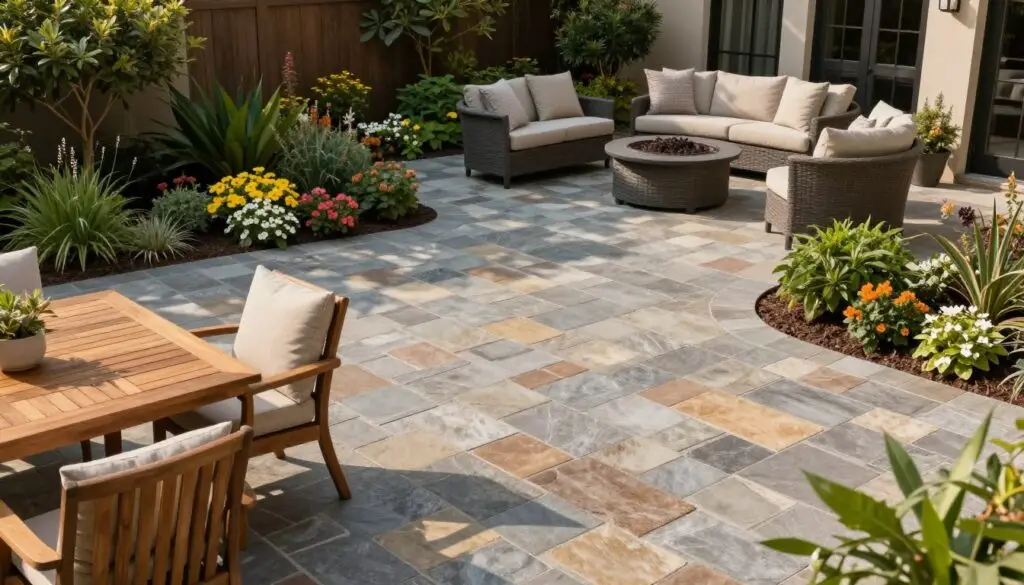
Your final paver patio project total reflects materials, labor methods, site conditions, and design complexity. Precise estimates begin with an on-site review that checks soil, base depth, and drainage.
Size impacts the square foot rate. Larger areas often lower per‑foot figures and improve layout options. Complex patterns or tight access add labor and can raise the overall cost.
Anchored Construction & Restoration brings 25+ years of local expertise to guide material selection, paver installation detail, and scheduling. Call (865) 316-6933 or email Info@anchoredconstructiontn.com to plan a new paver patio and turn your area into a lasting outdoor living space.