
Brick homes are often seen as solid, durable, and low-maintenance—especially here in East Tennessee. Many homeowners assume that once a brick house is built, it’s protected from the elements for decades. Unfortunately, that’s not always the case.
We recently completed a major masonry and structural repair project for a homeowner in Knoxville, TN, where a brick home had been constructed without proper flashing. Over time, water infiltrated the wall system, rotted the wood framing behind the brick, and caused serious hidden damage that went unnoticed for years.
In this post, we’ll break down:
-
Why brick homes must have flashing
-
How water intrusion causes long-term structural damage
-
What signs homeowners should watch for
-
How our team at Anchored Construction and Restoration repaired the damage correctly
-
Why doing it right the first time matters
If you own a brick home—or are considering buying one—this is information you can’t afford to ignore.
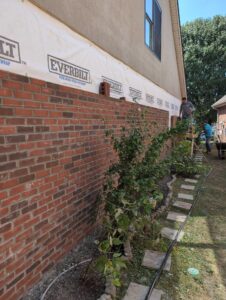
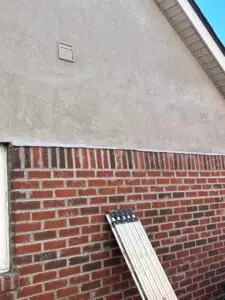
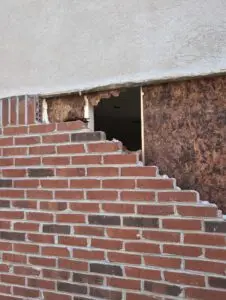
The Problem: Brick Is Not Waterproof
One of the biggest misconceptions in residential construction is that brick itself is waterproof. In reality, brick is a veneer, not a waterproof barrier.
Brick absorbs moisture. During heavy rain or extended wet weather (which Knoxville sees plenty of), water penetrates through the brick and mortar joints. That’s completely normal—and expected.
What should happen next is where things went wrong on this home.
How Brick Walls Are Supposed to Work
A properly built brick wall includes:
-
A weather-resistant barrier behind the brick
-
Flashing at critical transition points (windows, doors, foundations, rooflines)
-
Weep holes to allow water to drain back out
Flashing is the most critical component. It collects water that passes through the brick and safely directs it back outside before it can reach the framing.
What Happened Here
In this Knoxville home, flashing was never installed when the brick was originally laid. As a result:
-
Water entered the wall cavity
-
Moisture had nowhere to go
-
Wood framing slowly absorbed water
-
Structural members began to rot from the inside out
This didn’t happen overnight. It occurred gradually over many years, hidden behind what appeared to be a solid brick exterior.
How the Damage Was Discovered
The homeowner first noticed subtle warning signs:
-
Soft spots near interior walls
-
Musty odors after heavy rain
-
Minor interior drywall damage
At first glance, these symptoms didn’t scream “major structural failure.” But once the brick was removed, the true extent of the damage became clear.
Behind the brick veneer, we found:
-
Severely rotted wall studs
-
Compromised sheathing
-
Moisture-damaged structural framing
-
Evidence of long-term water intrusion
Had this issue continued unchecked, it could have led to serious structural instability and significantly higher repair costs.
Our Repair Process: Doing It the Right Way
At Anchored Construction and Restoration, we don’t believe in surface-level fixes. When water damage is involved, the only correct solution is to address both the symptom and the cause.
Here’s how we approached this project.
1. Careful Brick Removal
We began by selectively removing the existing brick veneer in the affected areas. This allowed us to:
-
Expose the damaged framing
-
Preserve as much reusable material as possible
-
Avoid unnecessary demolition
Brick removal must be done carefully to prevent additional damage and to ensure proper reinstallation later.
2. Structural Framing Repairs
Once exposed, the extent of rot was clear. Our crew:
-
Removed all compromised wood framing
-
Replaced rotted studs and structural members
-
Restored the wall to proper structural integrity
This step is critical. Installing new flashing over rotted framing is pointless—the structure beneath must be sound.
3. Installing Proper Flashing and Moisture Protection
This is where the original construction failed—and where we corrected it.
We installed:
-
Code-compliant flashing at all required locations
-
Proper moisture barriers behind the brick veneer
-
Correct integration with windows, doors, and transitions
Flashing was carefully detailed to ensure that any future water infiltration is safely directed back out of the wall system, exactly as intended.
4. Reinstalling New Brick
After the wall system was properly rebuilt and protected:
-
New brick was installed
-
Mortar joints were matched to maintain the home’s appearance
-
The exterior was restored to a clean, finished look
From the outside, the home looks as solid and timeless as ever—but now it’s built correctly beneath the surface.
Why Improper Flashing Is So Common
Unfortunately, this situation is not rare—especially in older homes or homes built during high-volume construction periods.
Common reasons flashing is missing or incorrect:
-
Builders cutting corners to save time or money
-
Outdated construction practices
-
Poor inspections during original construction
-
Lack of understanding of moisture management
In East Tennessee’s humid climate, improper flashing is a ticking time bomb.
Warning Signs Homeowners Should Watch For
If you own a brick home in Knoxville or surrounding areas, be alert for these red flags:
-
Interior wall staining or bubbling paint
-
Soft or spongy drywall
-
Persistent musty odors
-
Mold near baseboards or windows
-
Brick cracking or loose mortar
-
Water intrusion after heavy rain
If you notice any of these, it’s worth having the structure evaluated before the damage worsens.
Why Choosing the Right Contractor Matters
Brick removal, structural repair, and flashing installation require experience across multiple trades:
-
Masonry
-
Framing
-
Water management
-
Building science
At Anchored Construction and Restoration, we specialize in identifying the root cause of failures—not just covering them up.
Our focus is long-term durability, not short-term patches.
👉 Learn more about our restoration and repair services at
https://anchoredconstructiontn.com
A Final Word for Knoxville Homeowners
This project is a perfect example of how serious damage can hide behind an otherwise beautiful exterior. Brick homes are strong—but only when they’re built and detailed correctly.
If your home was built without proper flashing, or if you suspect water intrusion, addressing it sooner rather than later can save tens of thousands of dollars in future repairs.
If you’re unsure, we’re always happy to take a look and give you an honest assessment.