Leaning walls get worse fast. Many homeowners see a small tilt one season and a major failure years later. That trend makes early choices critical.
Anchored Construction & Restoration has over 25 years of local experience. The company helps homeowners in Knoxville and East Tennessee protect property value with smart construction and timely repair.
This short guide shows how to evaluate a problem, find the root cause, and pick a cost-effective solution. Most movement starts with poor water control and unstable soil. Acting early can keep repairs in a modest range and preserve structural integrity.
Expect clear thresholds for when a DIY approach is safe and when an expert should step in. Anchored Construction balances safety, performance, and aesthetics so your outdoor structures last and your home stays secure.
Key Takeaways
- Early action limits costs and prevents larger replacements.
- Water management and soil behavior are the usual culprits.
- Small repairs may be DIY; bigger shifts need a pro assessment.
- Anchored Construction & Restoration offers local expertise and durable solutions.
- Clear project steps help protect integrity and property value.
Understand the problem before you pry a single block
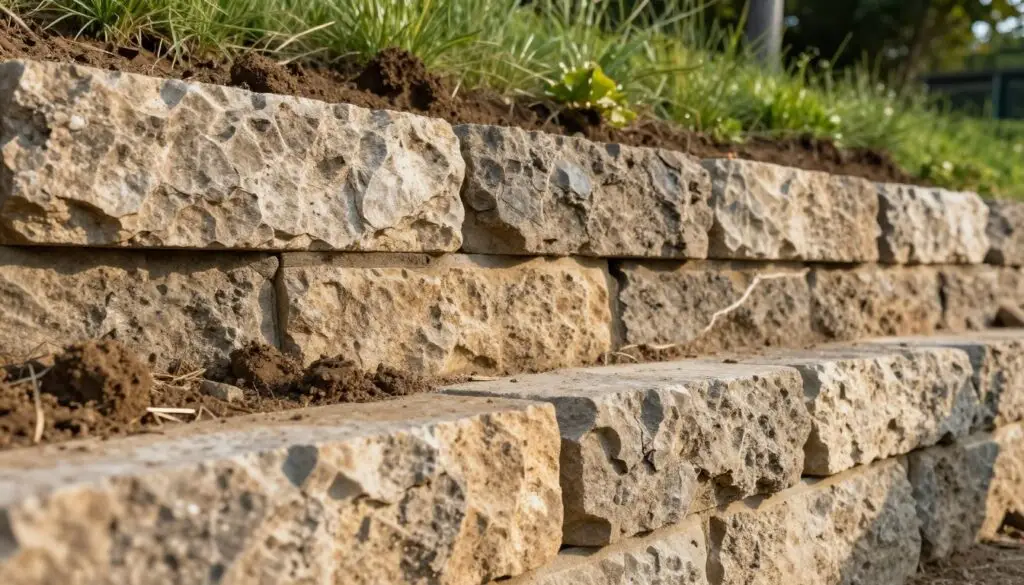
Start by confirming the scope of movement before touching a single unit. A quick, careful check saves time and prevents greater damage. Walls leaning more than 2 inches need a professional assessment. Typical inspection fees run between $150 and $300 in the Knoxville area.
Safety first: when to stabilize the area and step back
Secure the site if you see rapid movement, new bulges, or fresh cracking after heavy rain. Keep people and vehicles away from the top edge and behind the slope. Stabilize loose surface soil and avoid prying blocks until the cause is known.
Present-day considerations in the United States: codes, permits, and utilities
- Call 811 before digging; buried utilities often run near property edges and behind wall.
- Measure and document lean, cracks, and drainage so you can track changes over time.
- Knoxville-area projects may need permits, inspections, and height or guard requirements; plan compliance early.
- Note water patterns on the surface and behind wall — pooling or soggy soil usually points to poor drainage as the cause.
- If the structure supports driveways or buildings, treat it as structural and seek professional evaluation.
When in doubt, contact Anchored Construction & Restoration. The team helps homeowners across Knoxville and East Tennessee plan safe, code-compliant work. Call (865) 316-6933 or email Info@anchoredconstructiontn.com for expert guidance.
Common causes of retaining wall damage you must confirm
A clear majority of movement traces back to trapped water and poor soil support. Inspect the site for standing water, wet backfill, and efflorescence after rain. Those signs point at hydrostatic pressure building behind the wall.
Next, review soil behavior. Look for erosion at the toe, voids from washouts, and soft spots that signal inadequate compaction. These issues cause settlement and a slow tilt.
- Confirm poor drainage first: saturated backfill and blocked weep holes increase lateral pressure.
- Understand hydrostatic pressure: trapped water can push even strong units outward over time.
- Check base and reinforcement: shallow pads, undersized geogrid, or weak connections reduce overall strength.
- Evaluate materials: timber may rot, concrete block can crack, and gabions fail if mesh or drains clog.
- Note surcharge loads: parked vehicles, sheds, or slopes above the structure raise design pressure.
Document each finding so the repair solution targets root causes, not just visible damage. Anchored Construction & Restoration diagnoses the problem first and then proposes fixes that prevent repeat failure. Call (865) 316-6933 or email Info@anchoredconstructiontn.com for a site review in Knoxville.
How to fix retaining wall the right way for minor issues
When movement is limited and localized, a careful tune-up often restores stability. Start with a brief assessment and basic measurements. Note lean, bulge, and surface cracks before any work begins.
Initial assessment: measure lean, bulge, and crack patterns
Use a level and plumb bob to map tilt and bulges. Record cracks and recheck after wet weather to see if movement is active. Small changes over short time suggest a contained problem that a focused repair can address.
Step-by-step minor repair: relevel, replace units, compact lifts, and reset caps
- Remove loose caps and a few courses. Relevel the base with compacted aggregate.
- Replace damaged units and reset caps with manufacturer-approved adhesives.
- Compact backfill in thin lifts using a light plate compactor until stable.
Backfill best practices: gravel, geotextile, and weep holes for water flow
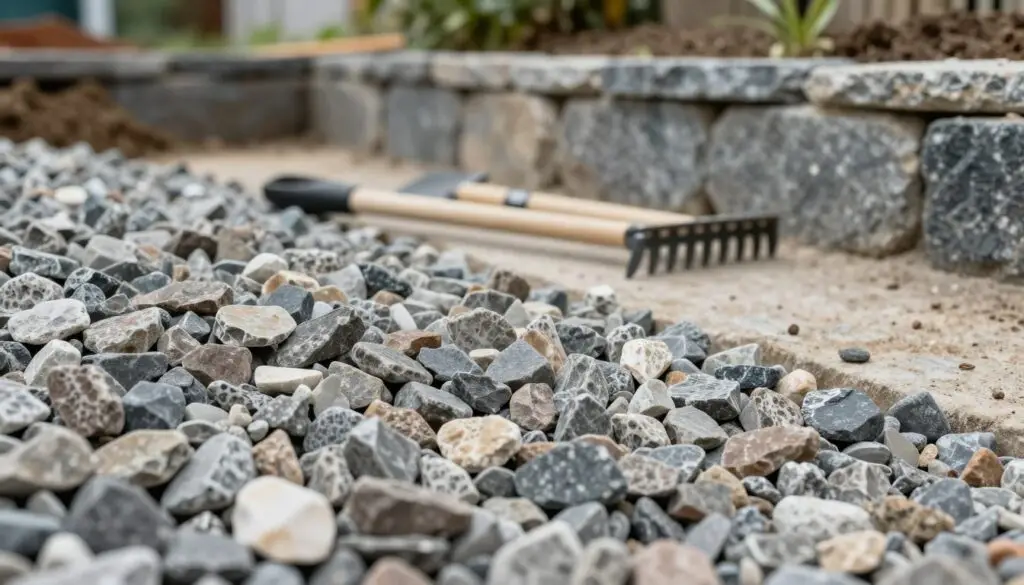
Improve drainage behind the structure with clean angular gravel and breathable geotextile that keeps fines out. Confirm weep holes are open so water can flow freely and not build pressure.
DIY materials usually cost $300–800. Keep temporary bracing until checks pass. Reinspect after the first heavy rain.
Anchored Construction & Restoration offers small tune-ups and full restorations across Knoxville. Call (865) 316-6933 or email Info@anchoredconstructiontn.com to schedule an assessment.
Advanced repair methods for significant leaning and structural distress
Major lean and active displacement demand engineered solutions rather than quick patches. Significant movement often combines drainage failure, weak soil, and lost reinforcement. Professionals plan staged work that restores alignment and long‑term stability.
Drainage upgrades: French drains, perforated pipe, and clear weep holes
Upgrade drainage first. Add a French drain or perforated pipe at the heel with free‑draining stone and accessible cleanouts. Reopen or add weep holes and use filter fabric so fines do not clog outlets.
Reinforcement options: steel anchors, tie‑backs, and geogrid layers
Straighten and secure the wall with staged tensioning and temporary bracing. Steel anchors or tie‑backs resist outward movement. For segmental systems, extend geogrid layers to increase pullout resistance behind the units.
- Polyurethane injection for active water intrusion and rapid sealing.
- Epoxy injection when dry conditions allow structural crack restoration and added strength.
- MSE and geosynthetic solutions rely on close spacing, confinement, and meticulous compaction to boost resistance against lateral loads.
Professional repairs typically range $2,500–8,000; full replacement can exceed $15,000. Anchored Construction & Restoration handles complex restorations in Knoxville, including anchors, geogrid, and drainage retrofits. Call (865) 316-6933 or email Info@anchoredconstructiontn.com for an evaluation.
Drainage design that prevents hydrostatic pressure from returning
Control of surface and subsurface flow is the best defense against recurring pressure. A clear plan keeps water moving away from the backfill and preserves long-term stability.
Design details that work: pipe placement, filter fabric, and clean gravel
Place a perforated pipe at the base with a positive slope to daylight or a dry well. Wrap the pipe zone in filter fabric so soil fines cannot clog the system.
Use clean, angular gravel behind the facing. That rock speeds drainage and reduces hydrostatic pressure on the structure.
Surface and site grading to divert water away from the wall
- Route downspouts and runoff away from the top and backfill zone.
- Install swales or catch basins upslope to intercept surface flow.
- Provide consistent weep holes at even spacing and elevation for even pressure relief.
- Use durable materials and layered filtration for long life and low maintenance.
Regular inspection keeps pipes clear and outlets free of sediment after storms. Anchored Construction & Restoration designs and installs long-term drainage systems for East Tennessee terrain. Call (865) 316-6933 or email Info@anchoredconstructiontn.com to plan a retrofit.
Maintenance habits that protect wall stability over time
A brief inspection twice a year catches most common issues early. Small checks stop minor damage from growing into costly repairs.
Twice-yearly inspections: cracks, bulges, and clogged drainage
Inspect each spring and fall. Note new cracks, bulges, leaning, and any change after heavy rain.
Clear leaves and sediment from weep holes and outlets. Keep drainage open so water moves away from the backfill.
Vegetation control and repointing small defects before they grow
Remove plants growing in joints. Roots can displace units and clog drains. Repoint small mortar joints promptly.
- Top off settled backfill behind caps to prevent ponding.
- Maintain surface grading so runoff does not flow toward the base.
- Log photos and notes each visit to track trends over time.
- Schedule seasonal upkeep; routine maintenance often costs $200–500 annually.
Anchored Construction & Restoration offers seasonal checkups and quick fixes that extend service life. Call (865) 316-6933 or email Info@anchoredconstructiontn.com for reliable wall repairs and ongoing care.
When to call Anchored Construction for retaining wall repairs
Some warning signs call for immediate expert assessment rather than DIY effort. Anchored Construction & Restoration has 25+ years serving East Tennessee and will evaluate risks, code needs, and cost options.
Clear signs you need a pro
- More than 2 inches of lean from vertical.
- Long horizontal cracks (over 2 feet) or new sliding and soil heave.
- Structures over 4 feet tall or visible foundation movement.
What to expect at an assessment
Site visit and soil review. The crew checks drainage, compaction, and any signs of active movement. Typical site assessments run $150–300 in the Knoxville area.
Written scope and code checks. You receive options that cover repairs, reinforcement, and replacement when needed. Common repair ranges are $2,500–8,000; full replacement can reach $15,000–40,000 depending on conditions.
Contact your Knoxville experts today
Early attention preserves wall stability and structural integrity. Anchored Construction coordinates permits, utility locates, and inspections for local projects.
Call (865) 316-6933 or email Info@anchoredconstructiontn.com to schedule an assessment and begin a clear, code‑compliant project plan.
Conclusion
A clear plan beats rushed repairs every time. Start with an accurate diagnosis and prioritize drainage to relieve pressure behind the structure. Small problems can double each year if left unchecked, so early action protects stability and saves money.
Choose durable materials and details that extend life—clean gravel, filter fabric, and accessible weep systems matter. For more than two inches of lean, seek a professional assessment to preserve structural integrity and safety.
Anchored Construction & Restoration brings local experience, proven methods, and quality materials to Knoxville projects. Whether you need a tune‑up or a full retaining wall repair, a well‑planned approach preserves integrity and appearance.
Call (865) 316-6933 or email Info@anchoredconstructiontn.com to discuss the best solution for your property.