Financing Available! We have financing options available for your next project. Learn more →

Wood Deck Versus Composite Decking: Pros and Cons

Table of Contents

Which outdoor surface will give your home lasting value without surprise costs? This guide cuts through hype and delivers clear facts so you can make a confident decision for your next project.

Anchored Construction has more than 25 years helping East Tennessee homeowners choose and build the right deck. Founded in 2000 and led by Knoxville native Travis Bullington, the team focuses on quality and practical advice. Contact (865) 316-6933 or Info@anchoredconstructiontn.com to talk about your options.

This introduction outlines how common material choices perform in sun, rain, and humidity. It explains maintenance needs, from yearly staining on natural boards to simple cleaning on capped surfaces. You will see true differences in look and long-term costs so you can plan budget and upkeep.

Key trade-offs: lower upfront price with more upkeep versus higher initial cost and reduced maintenance. Anchored Construction shares real-world experience to help you pick the best option for family use, entertaining, and resale value.

Key Takeaways

  • This guide clarifies the main pros and cons to help your decision.
  • Material performance in East Tennessee weather affects maintenance and look.
  • Natural boards need yearly care; capped products need less upkeep.
  • Compare upfront cost and long-term costs, including warranties.
  • Anchored Construction’s 25+ years of local experience supports confident choices.

Choosing the right deck material today: what matters for homeowners

Deciding on the right surface for your outdoor living area starts with a clear list of priorities. Anchored Construction & Restoration brings over 25 years of local experience to help you rank appearance, upkeep, and long-term cost for each project.

Practical factors to weigh: consider durability in East Tennessee’s moisture and summer sun, the maintenance you will tolerate, and how the materials fit your budget and style.

  • List what matters most for your home: look, lifespan, maintenance, and price.
  • Be honest about upkeep—regular staining or simple cleaning will change long‑term costs.
  • Plan for use patterns and shade to predict wear and cleaning frequency.

Anchored Construction can provide a site walk-through to assess drainage, traffic, and design needs. They offer estimates and maintenance schedules so you can compare initial price and years of performance. That clarity helps homeowners make a confident choice based on real pros cons and practical experience.
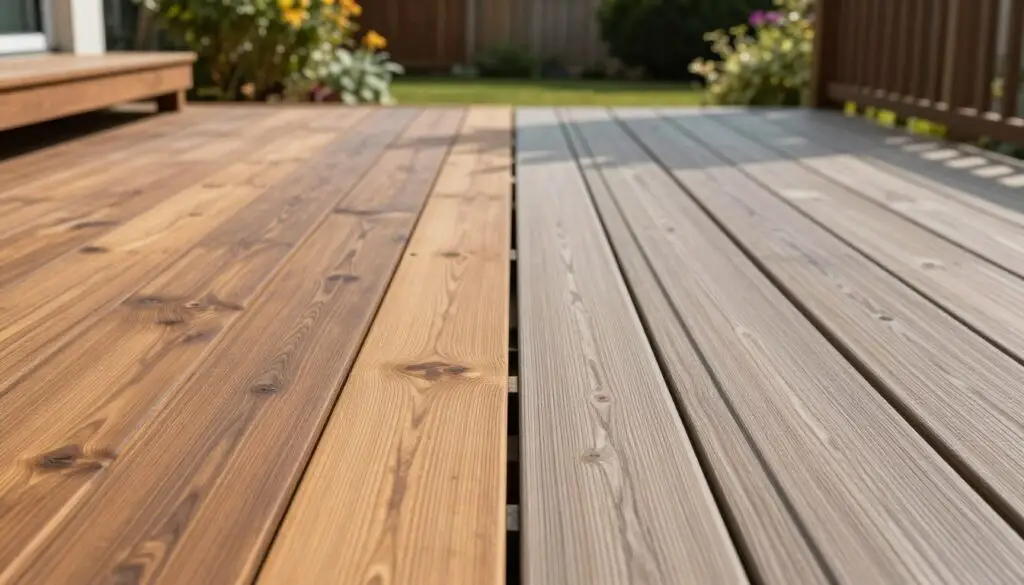
A picturesque outdoor setting depicting two distinct deck materials side by side, showcasing the contrast between a traditional wooden deck and a modern composite deck. In the foreground, the wooden deck features warm, natural grains and textures, while the composite deck is sleek, uniform, and more colorful. In the middle, a subtle variation in lighting highlights each deck’s unique qualities, with sunlight casting gentle shadows. In the background, a serene garden scene adds depth, with soft bokeh effects capturing the essence of a tranquil home environment. The mood is one of warmth and thoughtful consideration, inviting homeowners to reflect on their deck material choices. Use a wide-angle lens for a dynamic perspective, ensuring the image is crisp and vibrant with a balance of natural light.

Wood deck versus composite: head-to-head differences that impact your project

Material choices directly affect upkeep, comfort, and lifetime cost for any outdoor project.

Materials and makeup: Pressure-treated lumber offers an affordable, real-wood feel and uses common treated lumber for framing and surface boards. Capped composite boards pair a recycled core with a protective shell to resist stains, fading, and mold.

Maintenance over time: Natural boards need periodic staining, sealing, and occasional board replacement to avoid splinters and rot. Capped products require simple washing to remove dirt and pollen and seldom need refinishing.

Durability in the elements: In humid seasons, treated lumber can suffer moisture-related rot and insect damage if neglected. Composite materials reduce that risk but can still show scratches or color change from sun and daily wear.

  • Upfront vs. long-term cost: Lumber usually costs less up front. Higher-priced capped options often lower lifetime expense thanks to reduced maintenance and fade warranties.
  • Anchored Construction evaluates site conditions and usage to match materials, warranties, and installation to your needs.

Call (865) 316-6933 or email Info@anchoredconstructiontn.com for a site review and a clear comparison based on local climate and use.
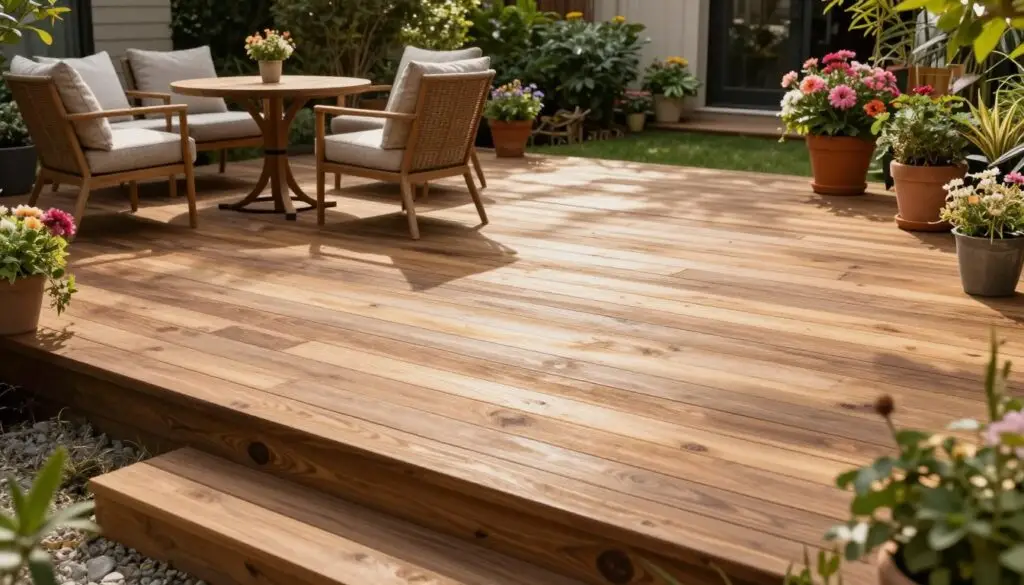
A beautifully crafted wooden deck, showcasing rich grains and textures of natural wood under warm afternoon sunlight. In the foreground, the deck features an inviting seating area with tasteful outdoor furniture, including a cozy table and chairs adorned with neutral cushions. The middle ground highlights the deck's polished surface, reflecting light, while potted plants and flowering decorations add a touch of vibrant color. In the background, soft green foliage encircles the space, creating a serene atmosphere. The angle captures the deck from a slightly elevated perspective, allowing for a clear view of the entire wood decking area. The mood is peaceful and welcoming, perfect for enjoying nature or hosting gatherings. The lighting is soft and natural, enhancing the warmth of the wood.

Pros and cons of wood decking

If you value authentic grain and a warm surface, natural lumber deserves a close look. Anchored Construction & Restoration can help match that look with practical care plans.

Pros

Natural aesthetics: Grain patterns and warm tones give an unmatched classic look.

Budget friendly up front: Pressure-treated pine lumber is often the cheapest initial option.

Simple repairs: Individual boards swap out easily and skilled carpentry blends fixes.

Cons

  • Higher upkeep: Expect yearly staining and sealing to control moisture and color.
  • Shorter lifespan: Left untreated, boards can warp, cup, or develop splinters over time.
  • Insect damage risk: Humid climates raise the chance of pests unless inspected and treated.

Best for

This option fits homeowners who love authentic grain and are ready for regular maintenance. True total costs must include finishes, tools, and labor across the years.

Anchored Construction’s carpentry and finishing expertise helps these surfaces look their best. Call (865) 316-6933 or email Info@anchoredconstructiontn.com for a maintenance plan and realistic cost estimate.

Pros and cons of composite decking

For homeowners who want time back and steady performance, capped boards are worth a close look. These surfaces trade higher upfront costs for lower long‑term chores. They resist rot and mold and rarely need refinishing.

  • Low maintenance: Routine sweeping and washing keep boards fresh without yearly staining cycles.
  • Long lifespan: A hard protective shell helps resist stains, mold, and many daily wear patterns.
  • Recycled materials: Many products use recycled content, cutting waste while delivering consistent performance.
  • Color and style options: Broad palettes mimic natural look or provide modern tones to match a home.

Cons

  • Higher upfront costs than pressure-treated alternatives.
  • Scratches can appear from moving furniture or pets; pads and careful layout reduce visible damage.
  • Sun can cause some fading over years, and repainting to a new color is not ideal.

Best for: Homeowners who value durability, clear warranties, and time savings. Anchored Construction & Restoration helps compare capped products, color palettes, and warranty coverage to match goals and costs. Call (865) 316-6933 or email Info@anchoredconstructiontn.com.

Cost, lifespan, and fit: matching decking materials to your home, climate, and style

Homeowners should weigh year‑one cost against the time and money spent across years. This view shows how warranties, maintenance, and local weather change the real costs of a project.

Total cost of ownership over years: how maintenance and warranties shift the math

Compare upfront cost and long‑term costs. Composite products often cost about 15–20% more up front than pressure‑treated pine but cut recurring staining and repainting expenses.

Warranties change the picture. Many products include fade and stain coverage. That can lower lifetime expense in sunny, humid climates.

  • Factor in finish products, labor, and cleaning when you total costs.
  • Less finishing time means fewer weekends spent on maintenance.
  • Evaluate warranty terms for true protection over the years.

Look and performance in East Tennessee: color stability, moisture, and use patterns

East Tennessee sees heavy sun and periodic water events. Those conditions demand materials with color stability and strong surface protection.

Good water management matters. Proper framing, ventilation, and drainage reduce moisture buildup and improve durability of all materials.

Anchored Construction & Restoration helps homeowners match products to site, traffic, and maintenance goals. Call (865) 316-6933 or email Info@anchoredconstructiontn.com for local pricing and seasonal performance guidance.
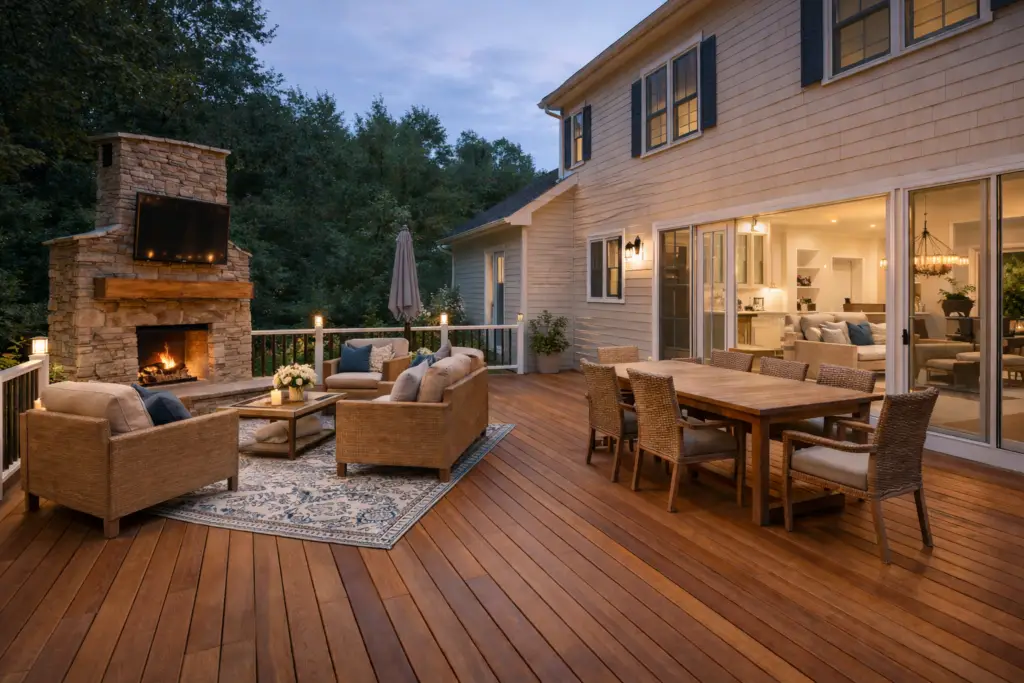
deck - wood deck versus composite

Conclusion

Let practical needs—how often you host, where pets play, and how much upkeep you want—guide the selection.

Natural options offer the lowest upfront price and let you customize finishes. Expect periodic staining and occasional board replacement. Capped alternatives cost more at purchase but reduce routine care and often include fade and stain warranties.

The best choice balances these pros cons with use, sun exposure, and water management. Anchored Construction & Restoration helps compare composite wood and composite wood decking options and stain systems for wood to match your home.

Ready to plan? Call (865) 316-6933 or email Info@anchoredconstructiontn.com to schedule a consultation and start your deck design and estimate.
FAQ

What are the main material differences between pressure-treated lumber and capped composite boards?

Pressure-treated lumber is solid sawn or engineered timber infused with preservatives to resist rot and insects. Capped composite boards are manufactured from a mix of recycled polymers and wood fibers with a protective outer layer. The cap improves stain, fade, and moisture resistance. Each option performs differently in moisture-prone climates like East Tennessee, so material makeup affects maintenance and longevity.

How often will staining or sealing be required compared to cleaning composite boards?

Stained timber surfaces generally need re-staining or sealing every 2–4 years to maintain appearance and protection. Capped composite boards need only periodic cleaning with soap and water, and occasional power rinsing. Composite materials eliminate annual sealing, which reduces time and labor over the life of the project.

Which option holds up better against moisture, mold, and insect damage?

Treated lumber resists insects and decay but can still absorb moisture, leading to warp, rot, or mold without regular upkeep. Capped composite boards offer superior resistance to moisture-related decay and insect damage because of the polymer content and protective cap. In East Tennessee’s humidity, composites typically require less intervention.

How do upfront cost and long-term cost compare between the two materials?

Treated lumber has a lower initial purchase and installation cost. Composites carry a higher upfront price but often lower lifetime maintenance expenses. When factoring repainting, replacement cycles, and maintenance labor, composites can be more cost-effective over 15–25 years depending on use and care.

What are the visual trade-offs and styling options available?

Solid timber provides authentic grain, natural patina, and a warm look that many homeowners prefer. Composites offer a wide palette of colors, embossed grain patterns, and consistent boards that mimic wood without variation. Choice depends on whether a homeowner prioritizes natural character or uniform low-maintenance finishes.

Can composite boards be repaired like timber when damaged or scratched?

Timber boards can be sanded and spot-repaired, making repairs straightforward for localized damage. Composite surfaces may resist sanding or refinishing; deep scratches or gouges often require board replacement. Some manufacturers offer scratch-resistant cores and warranties to mitigate this issue.

Are recycled materials used in composite products, and does that affect durability?

Many composite brands use post-consumer and post-industrial recycled polymers and wood fibers. Properly manufactured composites with protective caps retain strong durability and long lifespans. Recycled content typically does not reduce performance when boards carry reputable warranties.

How do warranties differ and what should homeowners in Knoxville look for?

Timber rarely carries long performance warranties beyond treatment guarantees. Composite manufacturers often offer fade, stain, and structural warranties ranging from 10 to 25 years. Homeowners in Knoxville should review warranty terms for fade resistance, stain coverage, and prorated replacement rules specific to local climate stresses.

Which material is best for homeowners who want minimal maintenance and more free time?

Capped composite boards are best for homeowners prioritizing low maintenance and time savings. They reduce the need for annual staining, frequent repairs, and extensive upkeep, freeing owners to enjoy outdoor living more and worry less about routine care.

How should homeowners decide based on property value and return on investment?

Consider initial budget, expected lifespan, maintenance costs, and the local market. Quality timber can boost curb appeal for buyers who prefer authentic materials, but composites often appeal to buyers valuing low upkeep. Anchored Construction & Restoration can provide an objective cost-versus-value comparison tailored to East Tennessee homes.

What installation differences affect long-term performance?

Proper installation is critical for both materials. Timber requires correct spacing, flashing, and ventilation to prevent moisture traps. Composite systems need compatible fasteners, recommended gaps for thermal expansion, and manufacturer-approved substructure. Skilled installation by a licensed contractor reduces future problems and maintains warranties.

Can existing timber structures be retrofitted with composite boards?

Yes. Often the substructure can be reused if it’s sound. Retrofit projects require inspection of joists and fasteners, potential reinforcement, and correct attachment methods for composite boards. Anchored Construction & Restoration can assess the structure and recommend a retrofit plan that meets local code and performance expectations.

How do climate and usage patterns in East Tennessee influence material choice?

Knoxville’s humidity, seasonal temperature swings, and occasional high sun exposure can accelerate staining, fading, and moisture-related issues. High-traffic or pet-friendly yards increase abrasion and staining risk. These factors push many homeowners toward low-maintenance capped composites, though properly maintained timber remains a viable choice.

Read Our Local Reviews

The results we deliver and our customers’ words speak for themselves. Take a look at what they share about working with us:

Things we are great at…

After over 25 years in business, we’ve learned a thing or two about how to wow our clients on every project. Whether commercial or residential, let us use our knowledge and experience to help bring your ideas to life.

Commercial construction and renovation, new build, renovation, updates and more.
Anchored Construction and Restoration: Your Premier Knoxville Concrete Contractors.
Design and construction of a new deck or pergola, repair of existing structures or adding on to what you already have
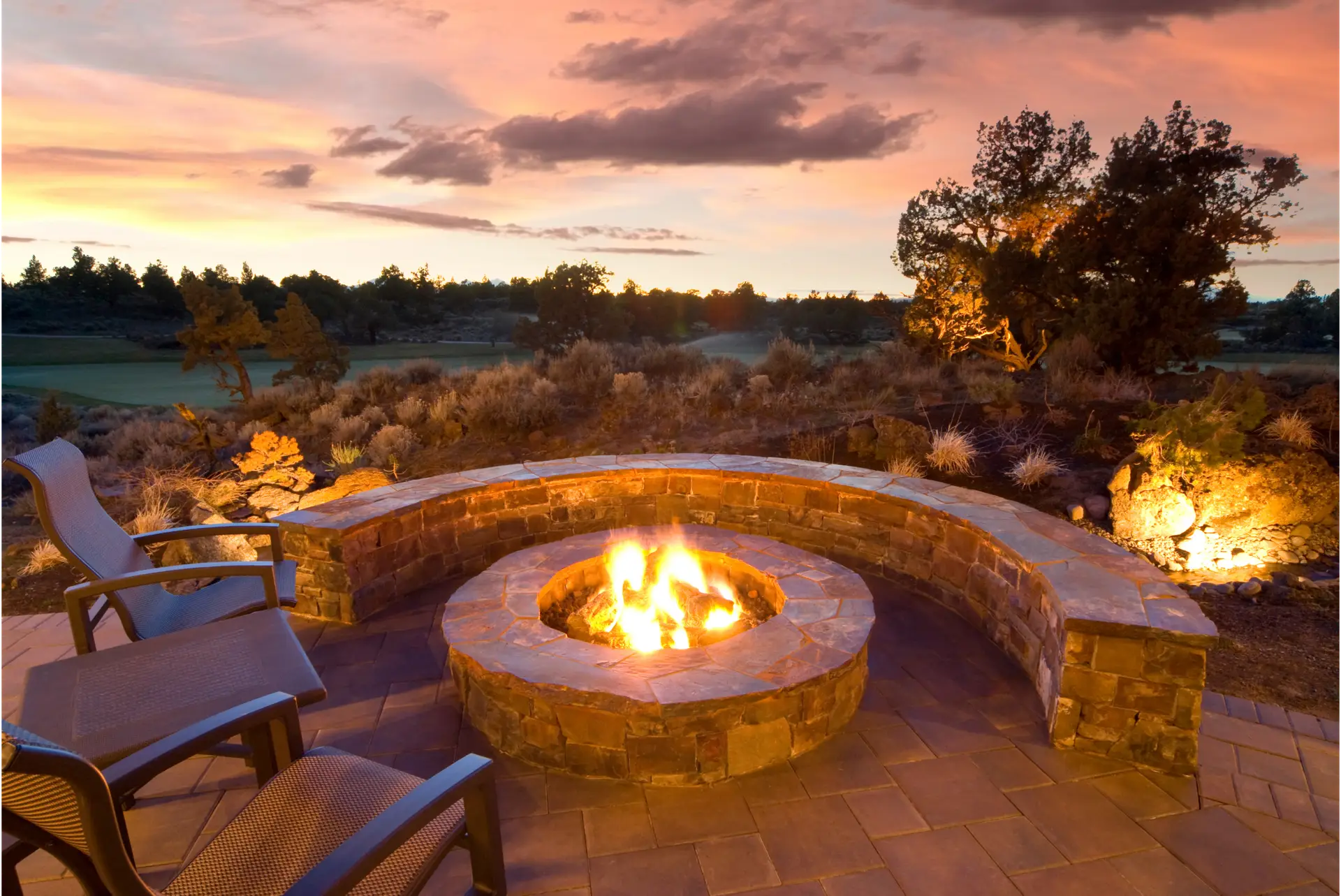
Patios, retaining walls, outdoor kitchens and more
Anchored Construction and Restoration: Your Premier Knoxville Home Renovation and Remodel Contractors.
Residential and commercial, new installation and renewal of existing installations
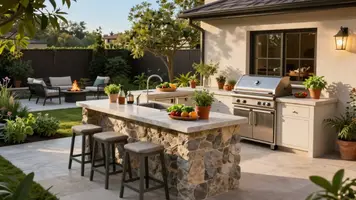
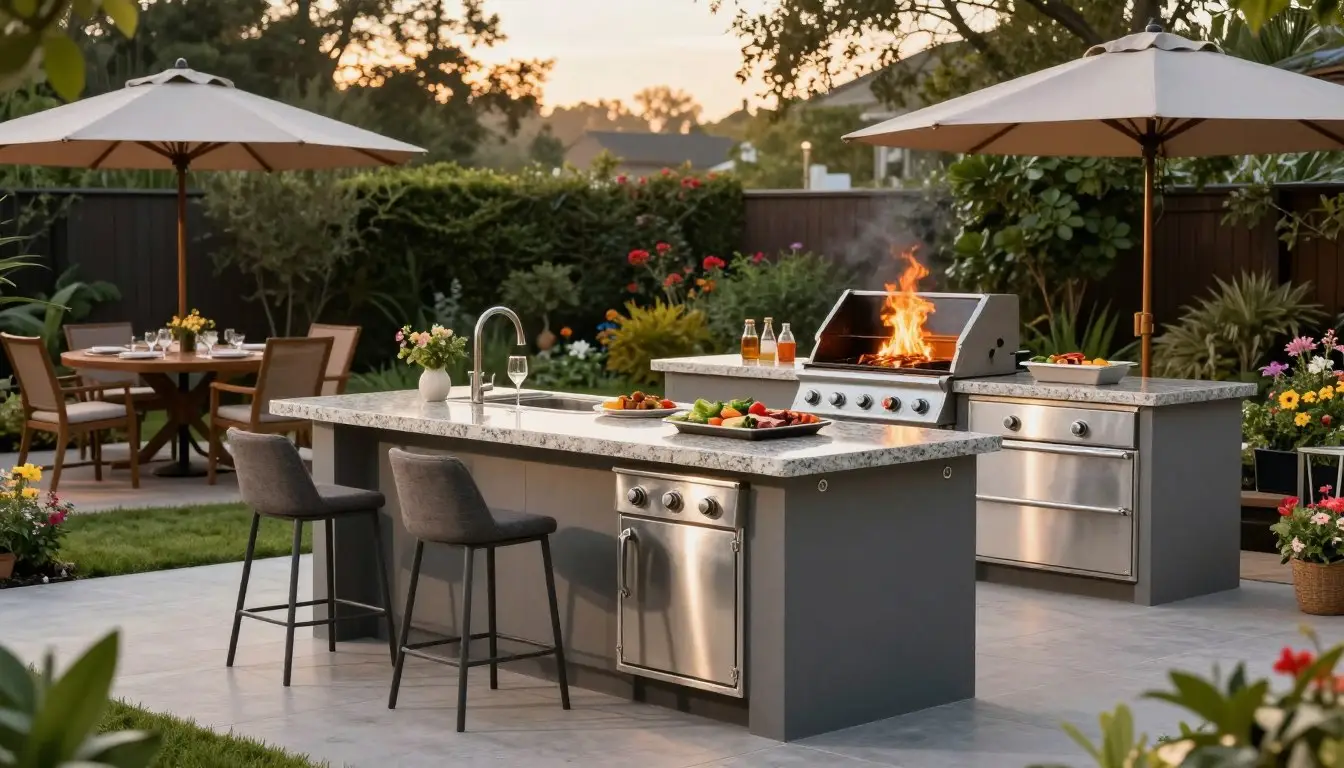
Creating an outdoor kitchen involves adding a grill and a few chairs.
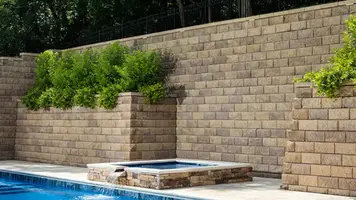
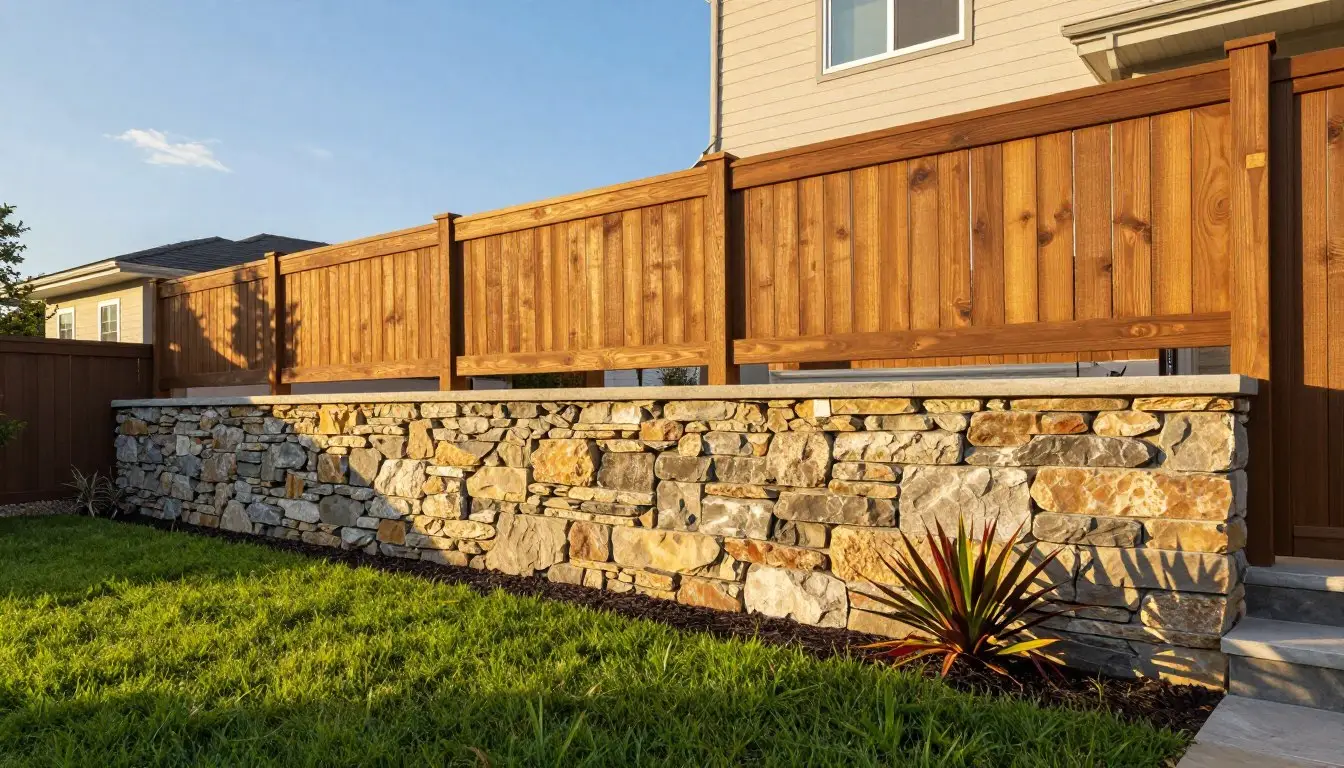
Retaining walls can enhance a property’s aesthetics, functionality, and safety.
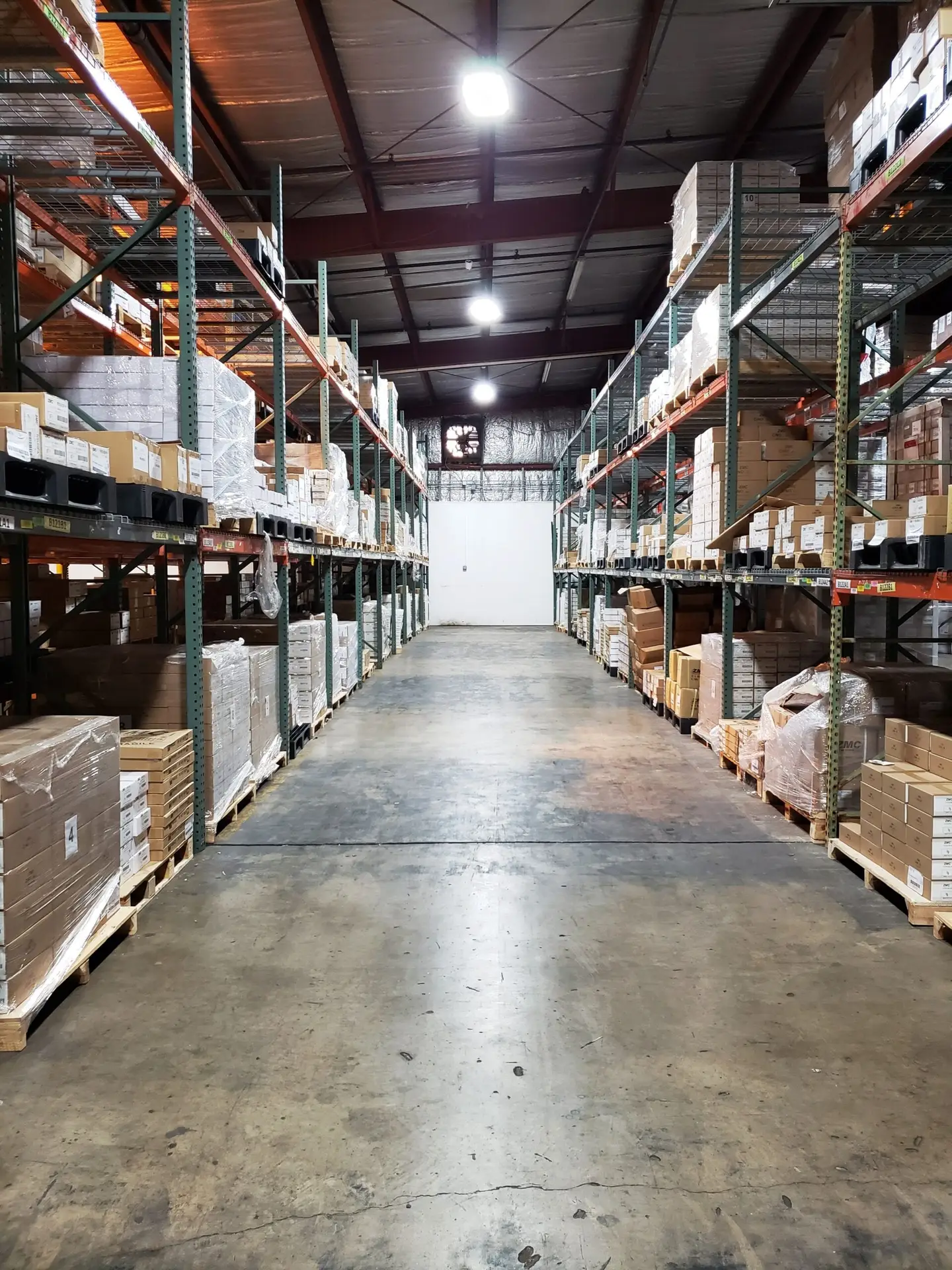
From turnkey new construction and buildout to installing pallet racking, dock plate levelers, man door installation and repair and more
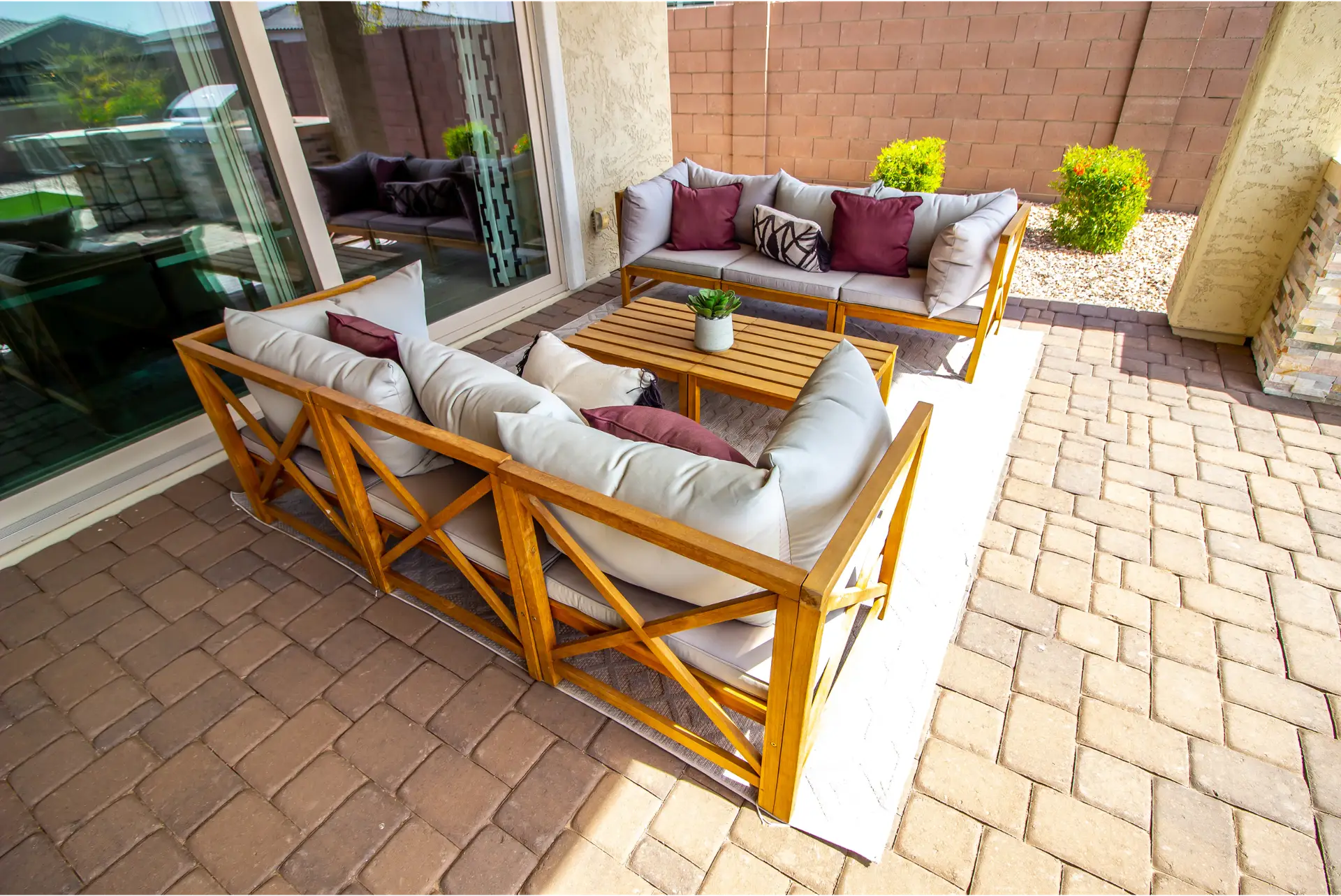
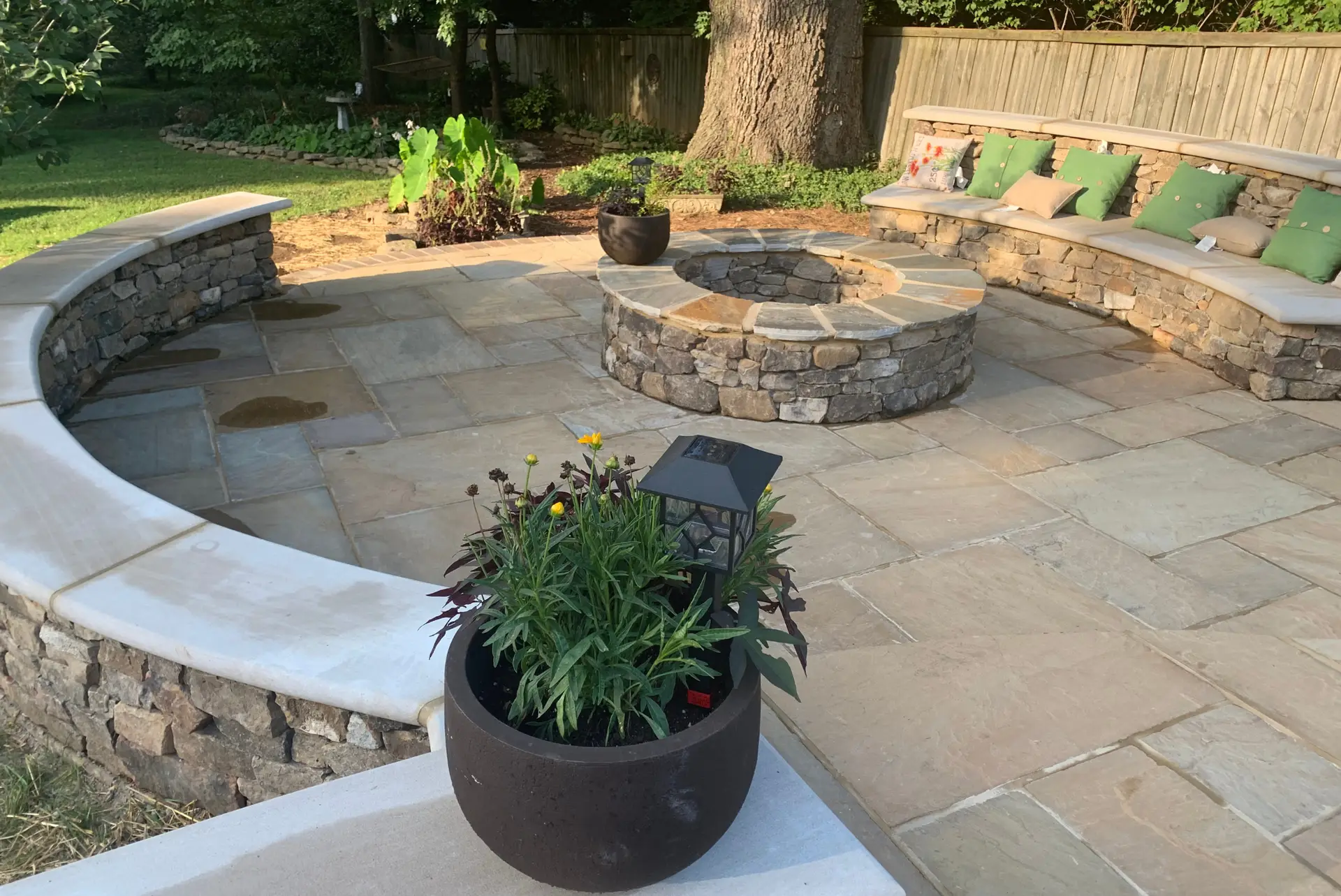
Paver Patio
Get In Touch

Share

Get Your FREE Quote Today!