Can a patterned surface give your home high-end curb appeal without a high-end price tag?
Anchored Construction & Restoration answers that for Knoxville homeowners. With over 25 years of local experience, the team blends outdoor passion and craft. Founded in 2000 by Knoxville native Travis Bullington, the company manages each project from design to final sealing.
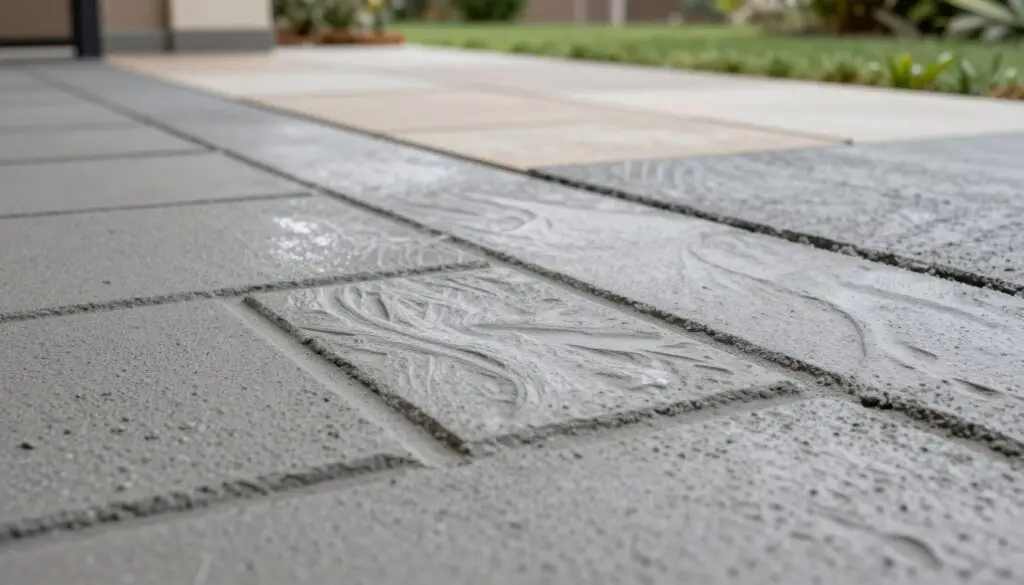
Stamped concrete offers the look of cobblestone, brick, or slate using stamps and color agents. It gives homeowners durable, affordable options compared with full natural stone. Proper sealing keeps results lasting through regional freeze-thaw cycles.
Anchored acts as a full-service contractor for hardscapes, retaining walls, landscape work, outdoor kitchens, and excavation. The guide that follows explains costs per square foot, material choices, installation steps, and upkeep. To discuss scope, budget, or timeline, call (865) 316-6933 or email Info@anchoredconstructiontn.com.
Key Takeaways
- Realistic look: Patterned surfaces mimic stone at lower cost.
- Local expertise: Knoxville knowledge improves longevity in local soils and weather.
- Full-service value: Driveway planning can tie into landscaping and hardscapes.
- Clear process: Anchored handles design, installation, and sealing for consistent results.
- What you’ll learn: Price ranges, design tips, overlays, and maintenance guidance.
Buyer’s Guide Overview: Is a Stamped Concrete Driveway Right for Your Home in Knoxville?
Choosing the right surface means balancing appearance, upkeep, and lifespan for your home. Anchored Construction & Restoration helps homeowners understand options and materials so decisions match goals and budgets.
Who benefits most: Homeowners seeking a custom look with dependable durability and a simple maintenance plan often find this option a smart fit. It pairs well with traditional, modern, and rustic homes across Knoxville.
Consider these decision points before installation: the street-facing look you want, the maintenance you’ll accept, the color and design range that suits your home, and site limits that affect timeline and feasibility.
- Durability: Proper base, correct thickness, and scheduled sealing extend service life in East Tennessee.
- Maintenance: Routine cleaning and periodic sealing protect finish from UV, salts, and tire wear.
- Budget & installation: Costs vary by size, pattern complexity, and site condition; anchors guide realistic planning.
Anchored’s mission is to translate technical topics into clear choices. Call or email to review design options, color samples, and a realistic range for installation so your new surface matches both curb appeal and long-term value.
Key Benefits and Material Comparisons
Material choice drives both the look of your entrance and the effort needed to keep it looking good.
Stamped concrete vs. pavers: labor, shifting, and weed growth
Concrete pavers require placing many individual units. That adds labor and time on site.
Over years, pavers can shift and settle. Joints between units allow weeds to grow.
A continuous patterned slab reduces unit-to-unit movement and limits weed pressure.
Stamped concrete vs. asphalt: customization and long-term value
Asphalt offers fewer design choices and needs more frequent upkeep.
Rising material costs have narrowed initial price differences. A well-sealed patterned surface often holds visual value longer.
Versatility and curb appeal: patterns, colors, and realistic looks
Design options include cobblestone, bricks, slate, and flagstone looks using stamps and color agents.
Homeowners gain natural stone aesthetics without full stone costs. Patterns and color choices boost curb appeal and match local styles.
- Durability: Monolithic slabs reduce movement under vehicle loads.
- Maintenance: Proper prep and sealing resist weather, tire wear, and de-icing salts.
- Budget: Lower labor vs. pavers and more design than asphalt often mean strong long-term value.
Stamped Concrete Driveway Cost: What to Expect Per Square Foot
A clear price range makes budgeting for a patterned slab much easier for Knoxville homeowners.
Typical price: Many local projects fall between $8–$12 per square foot. That rate usually covers layout, forming, placement, basic coloring, stamping, and sealing.
Typical price range per square foot and what it includes
A basic price covers labor, materials, stamping tools, and a final seal coat. More complex color work or multiple passes raises the cost.
Cost factors: square footage, thickness, design complexity, and site condition
- Square footage: Bigger areas lower unit costs slightly.
- Thickness & material: Heavier vehicle loads need thicker slabs and stronger mixes.
- Pattern & color: Intricate patterns and multi-color finishes add time and expense.
- Site impacts: Tight access, removal, or drainage work increases labor and costs.
Sample price range for an average driveway size
For a 16′ × 40′ (640 square foot) surface, expect roughly $5,120–$7,680. Final costs depend on thickness, access, and design choices.
Ways to save: stamped borders, single primary color, and strategic accents
Cost-conscious options include using stamped borders with broom-finished fields, choosing one primary color with light antiquing, and repeating a simple pattern. These choices keep the visual look strong while trimming material and labor expenses.
For a tailored estimate, Anchored Construction & Restoration inspects your site, itemizes costs, and outlines savings paths. Call (865) 316-6933 or email Info@anchoredconstructiontn.com.
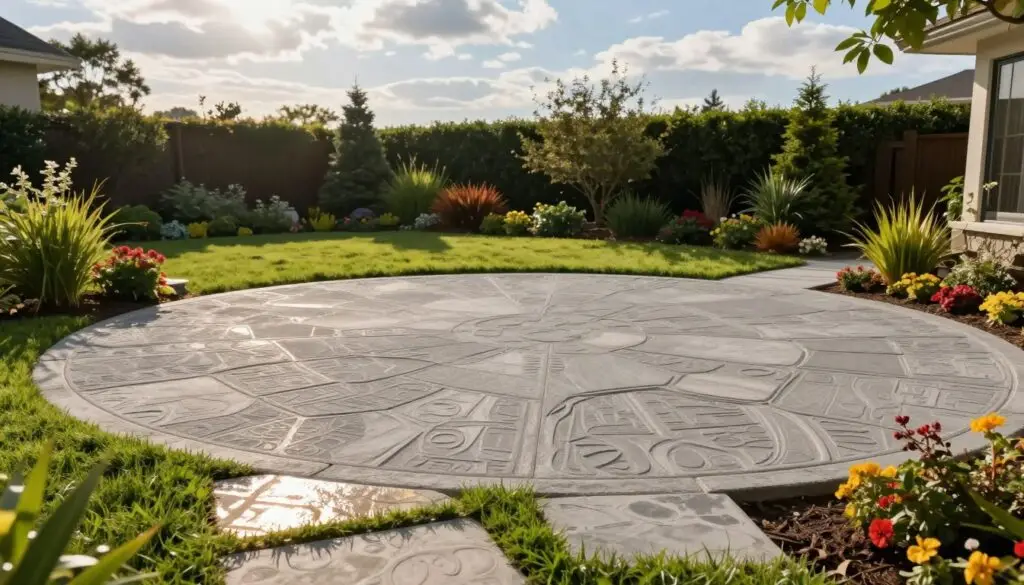
Design Choices: Patterns, Colors, and Finishing Touches
Design choices shape how your entrance reads from the street and how it performs over time.
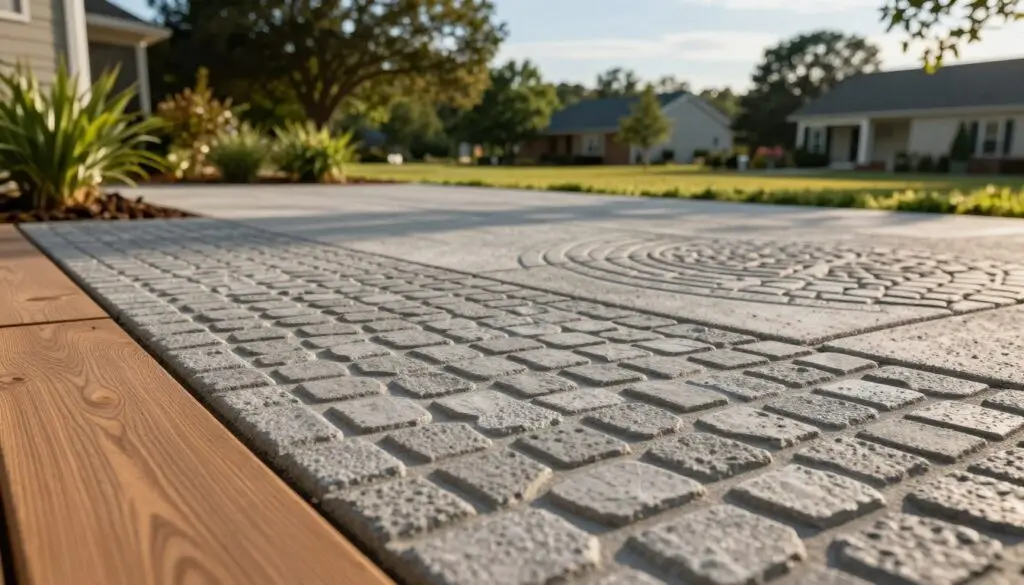
Pattern options range from classic cobblestone and brick to slate, flagstone, and seamless texture skins that mimic natural stone. Cobblestone and brick patterns suit traditional homes. Slate and flagstone bring a rustic, stone-like look.
Color systems include integral color that tints the whole slab, color hardeners that intensify surface tones, and antique release to highlight joints and texture. These methods create depth and help the pattern read like real stone or brick without excessive layers.
- Palettes that age well: Earth tones and grays hide dirt and match local materials.
- Use borders: Stamped edges or bands paired with broom-finished fields cut cost while adding contrast.
- Scale and placement: Wider bands at entries frame lanes and reduce the area needing detailed stamping.
- Final touches: Joint layout and a matte or satin sealer improve traction and longevity.
Anchored Construction guides homeowners through pattern and color choices. The team blends design expertise with construction know-how to deliver balanced style and value that complements your home and landscape.
Installation and Timeline: From Preparation to Final Sealing
Predictable timelines and coordinated crews make the most difference during installation. Anchored Construction provides clear schedules and respectful site management from excavation to final sealing. The team explains each step so you know what to expect and when.
New installation steps
Work begins with layout, forms, and base preparation. Reinforcement is placed before concrete placement. Integral pigments or color hardeners add tone while the slab is wet.
Crews apply texture by using stamps and jointing as needed. After curing, a final sealing phase protects the finish and extends life.
Overlays and surface preparation
An overlay can refresh an existing surface when the slab is structurally sound. Proper cleaning, profiling, and repairs are critical to bond and performance.
Overlays are applied, pressed to the right depth, and then finished so patterns do not bottom out.
Time, weather, and labor considerations
- Typical schedule: Most residential installs are one main pour day, with prep before and sealing after cure.
- Weather windows: Temperature and humidity affect set time and stamping windows, so crews plan accordingly.
- Labor impacts: Complex patterns, multiple colors, or detailed borders increase crew time and can shift the timeline.
Plan parking alternatives during curing periods. Anchored Construction coordinates access and provides timely updates at every stage so your project stays on track.
Durability, Maintenance, and Long-Term Performance
A long-lasting surface starts with smart installation and a clear upkeep plan. Anchored Construction provides a tailored maintenance roadmap so homeowners know when to act. Proper care helps the finish hold up under East Tennessee weather and heavy use.
Sealing schedule, cleaning, and seasonal care to extend life
Establish a sealing cadence. Re-seal every few years based on traffic, sun exposure, and de-icing salt. This keeps color and protection strong for many years.
Clean regularly. Rinse debris, use mild detergent for stains, and avoid harsh chemicals that strip the sealer. In winter, use non-corrosive de-icers and soft shovels. Remove residues in spring to protect the surface.
Minimizing cracks: site prep, thickness, joints, and proper maintenance
Reducing cracks begins before placement. A solid subgrade, correct slab thickness, and well-placed control joints limit random cracking in the slab.
- Control cracking proactively: Proper subgrade and curing practices matter.
- Manage joints well: Keep joints clean and consider joint sealants in high-debris areas.
- Protect edges: Add curbing or borders and avoid sharp turns on edges.
- Monitor sealer condition: Re-seal when gloss or traction declines.
- Follow a plan: Anchored Construction outlines site-specific steps so driveways perform long term.
Choosing the Right Contractor in East Tennessee
A knowledgeable contractor can turn design ideas into a durable, attractive entry that fits your site. Pick a team that explains choices clearly and sets realistic expectations.
Anchored Construction & Restoration has served Knoxville since 2000 under Travis Bullington. The company offers concrete services, hardscapes, landscaping, outdoor kitchens, decks, and retaining walls to deliver cohesive projects. Call (865) 316-6933 or email Info@anchoredconstructiontn.com to start a site visit.
What to ask before you sign
- Review portfolios. See driveways and designs similar to your goals and ask about performance after one to three years.
- Verify local expertise. East Tennessee soils, slopes, and drainage demand regional knowledge and code familiarity.
- Ask about materials and mixes. Discuss reinforcement, release agents, color systems, and the sealer recommended for your surface.
- Clarify maintenance. Request a cleaning and re-sealing schedule with expected costs over five years.
- Discuss overlays vs. replacement. Ensure the contractor inspects any existing slab to decide if an overlay is suitable.
Work with Anchored Construction & Restoration
Get a detailed proposal that lists prep, thickness, pattern, color, joints, sealing, and a realistic timeline for your project.
Homeowners who ask these questions hire a contractor who delivers clearer budgets and better long-term value for a concrete driveway.
How Anchored Construction Delivers on Your Stamped Concrete Driveway
Here’s how Anchored Construction combines practical process and design to deliver reliable results.
Local experience matters. After more than 25 years, the team knows how soil, slope, and weather affect each job. That knowledge guides base prep, mix choices, and joint layout so the surface lasts.
Cohesive outdoor plans. Anchored pairs a new driveway with retaining walls, landscape work, decks, and outdoor kitchens. Integrated planning creates a unified look and easier site logistics.
- Seasoned process: Decades of concrete and hardscape work inform every step from base prep to sealing.
- Design alignment: Patterns, color tones, and edges match adjacent patios, walks, and beds.
- Right-size materials: Recommendations balance performance, appearance, and budget.
- Site-specific tailoring: Drainage, sun exposure, and slopes guide pattern and sealer choices.
- Project management: Crews coordinate excavation, delivery, stamping, and finishing to keep timelines tight.
Clear communication and warranty-minded service. Homeowners get schedule and weather updates. Anchored’s long local presence ensures responsive support for driveways and future improvements.
Conclusion
A thoughtful project plan reduces surprises in cost, time, and long-term upkeep.
This guide shows why a stamped concrete solution balances design flexibility, dependable performance, and cost control. Expect basic pricing near $8–$12 per square foot, with final cost tied to pattern choice, colors, thickness, and site conditions.
It avoids pavers shifting and weeds and offers more design than asphalt. Start simple: one primary color, targeted accents, and a bordered band to save labor and material without losing curb appeal.
Installation follows prep, pour, stamping, curing, and sealing. Proper sealing and care limit cracks and preserve color for years.
Ready to plan? Call Anchored Construction & Restoration at (865) 316-6933 or email Info@anchoredconstructiontn.com to schedule a site visit and estimate.