Rebuilding It the Right Way: A Complete Small Deck Replacement with Structural Repairs and Masonry Restoration
At Anchored Construction & Restoration, we often tell our clients that the most important parts of a project are the ones you don’t immediately see. Structural integrity, proper support, drainage, and ventilation are what ensure a finished project lasts—not just looks good on day one.
This recently completed small deck replacement is a perfect example of why cutting corners during original construction almost always leads to bigger problems later. What appeared at first glance to be a simple aging deck turned out to be a significant structural concern that required a full rebuild, added support, masonry repairs, and improved ventilation to protect the home long term.
In this post, we’ll walk through what we found, what we fixed, and why doing the job correctly made all the difference.
The Original Deck: A Hidden Structural Risk
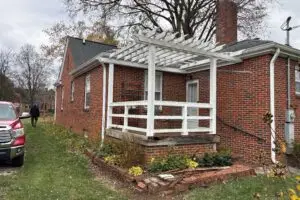
When the homeowner contacted us, their concern was visible rot and general instability in the existing deck. From the surface, the deck looked worn but unremarkable—something many homeowners might assume could be patched or partially repaired.
Once we began demolition, however, the real issue became clear.
The original deck had no proper support under the beams. Instead of being adequately supported by posts or footings designed to carry the load, the structure relied on failing connections and undersized components. Over time, moisture exposure and lack of airflow had caused extensive rot in critical areas.
This wasn’t just a cosmetic problem—it was a safety issue.
Without proper beam support:
-
The deck could sag or shift unpredictably
-
Load distribution was compromised
-
Fasteners and ledger connections were under constant stress
-
Rot accelerated due to trapped moisture
At that point, replacement wasn’t just the best option—it was the only responsible option.
Demolition and Assessment: Starting with a Clean Slate
We began by carefully removing the existing deck and all compromised materials. This allowed us to:
-
Inspect the framing and attachment points at the home
-
Identify any additional hidden damage
-
Plan the rebuild based on current codes and best practices
Fortunately, while the deck itself had failed, the home’s primary structure remained sound. That allowed us to focus on rebuilding the deck properly rather than escalating into larger structural repairs.
Building the New Deck: Proper Support from the Ground Up
With the old deck removed, we rebuilt the structure the right way—starting with proper support under the beams.
This included:
-
Correctly sized posts and footings
-
Proper beam placement to handle loads safely
-
Secure connections designed for long-term durability
By addressing the structural shortcomings of the original build, we ensured the new deck would not only meet code requirements but exceed expectations for stability and lifespan.
The result is a deck that feels solid underfoot, distributes weight correctly, and is built to handle years of use without movement or sagging.
Upgrading the Railings: Clean Lines and Modern Safety
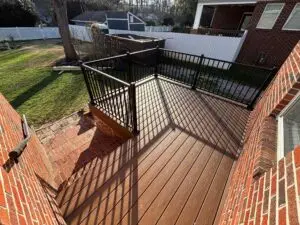
Once the structure was complete, we installed new metal railings to finish the deck.
Metal railings offer several advantages over traditional wood:
-
Improved durability and resistance to rot
-
Lower maintenance over time
-
Clean, modern aesthetics
-
Enhanced safety and strength
The railings complement the home’s exterior while providing a sturdy barrier that meets safety standards. This upgrade alone made a noticeable difference in both appearance and function.
Masonry Repairs: Restoring the Original Brickwork
One of the unique aspects of this project was the condition of the original brickwork surrounding the deck area. Years of trapped moisture and limited airflow had taken a toll on the masonry.
Rather than leaving this as-is, we brought in our masonry team to:
-
Repair damaged brickwork
-
Repoint deteriorated mortar joints
-
Restore the original look while maintaining structural integrity
This step was critical. Brickwork doesn’t just affect appearance—it plays a role in protecting the home’s envelope from water intrusion. Addressing these issues now prevents much more costly repairs down the road.
Improving Ventilation: Protecting the Structure Long Term
Another key improvement was the addition of ventilation beneath the deck area.
Poor airflow is one of the leading causes of rot in decks and adjacent structural components. Moisture gets trapped, materials stay damp, and decay accelerates.
By adding ventilation, we:
-
Improved air circulation under the deck
-
Reduced moisture buildup
-
Helped protect both the deck framing and the home itself
This is one of those upgrades homeowners may not notice day to day—but it plays a major role in extending the life of the structure.
Why Doing It Right Matters
This project is a great example of why professional evaluation and proper construction matter—especially for exterior structures like decks.
What we corrected on this job:
-
Lack of beam support
-
Extensive rot from poor airflow
-
Failing deck materials
-
Damaged masonry
-
Inadequate ventilation
What the homeowner gained:
-
A safe, solid, code-compliant deck
-
Improved curb appeal
-
Reduced long-term maintenance
-
Peace of mind knowing the structure is built correctly
The Anchored Construction & Restoration Difference
At Anchored Construction & Restoration, we don’t believe in surface-level fixes. Whether a project is large or small, our goal is always the same: build it right, build it safe, and build it to last.
This deck replacement may have been modest in size, but the attention to detail—from structural support to masonry repair and ventilation—made all the difference.
If you have an aging deck, notice softness, movement, or rot, or simply want to ensure your outdoor space is safe, we’re happy to take a look. Addressing issues early can save time, money, and stress in the long run.