Can a local company turn rough ground into a stable, lasting base without surprises or delays?
Anchored Construction & Restoration brings more than 25 years of hands-on experience to homeowners across the Knoxville area and East Tennessee. Founded in 2000 and led by Knoxville native Travis Bullington, the team pairs construction know-how with care for the land to deliver consistent quality.
Their process starts with a clear site evaluation and moves through site prep, machine work for faster earth removal, grading, compaction, backfill, and clean-up. The right equipment and skilled operators keep each phase efficient.
Safety and communication guide every job. Utility locating, safe access, and clean trench lines reduce risk. Clear updates keep you informed from estimate to handoff.
Local soils and terrain shape the plan. Thoughtful sequencing saves time and prevents rework. To start a tailored plan and estimate, call (865) 316-6933 or email Info@anchoredconstructiontn.com.
Key Takeaways
- Anchored Construction is a trusted local company with 25+ years of experience.
- Projects follow a clear scope: site evaluation, prep, grading, compaction, and clean-up.
- Machine work speeds the timeline and cuts homeowner costs.
- Safety, utility locating, and communication are priorities on every site.
- Plans adapt to East Tennessee soils and your budget to ensure durable results.
Residential Excavation
Well-prepared ground and a clear plan are the foundation of any successful outdoor upgrade. Anchored Construction offers complete services that guide a project from initial staking to final backfill.
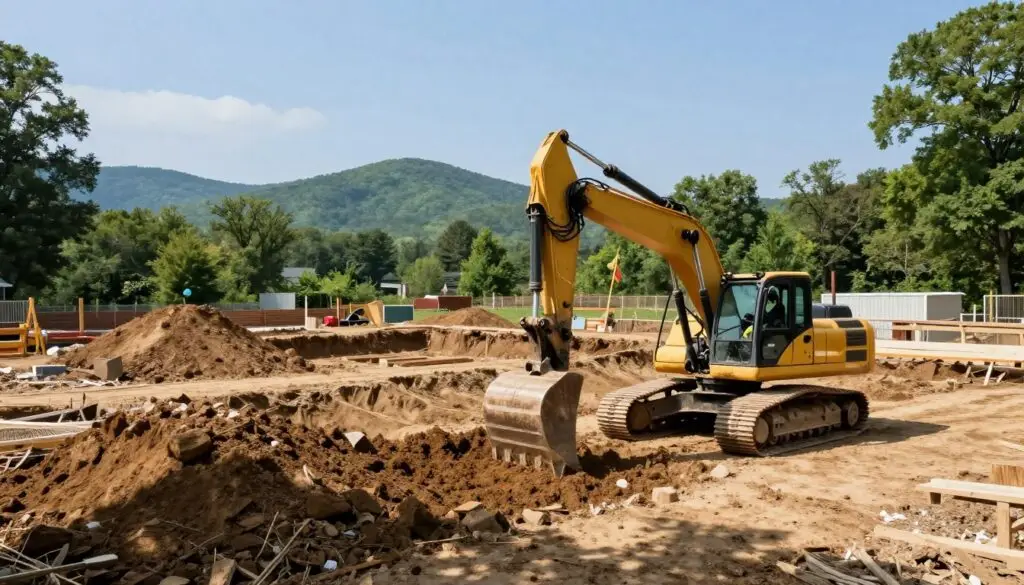
What the work includes
Site preparation begins with staking the area and marking the footprint. Vegetation removal includes full root extraction and safe equipment access.
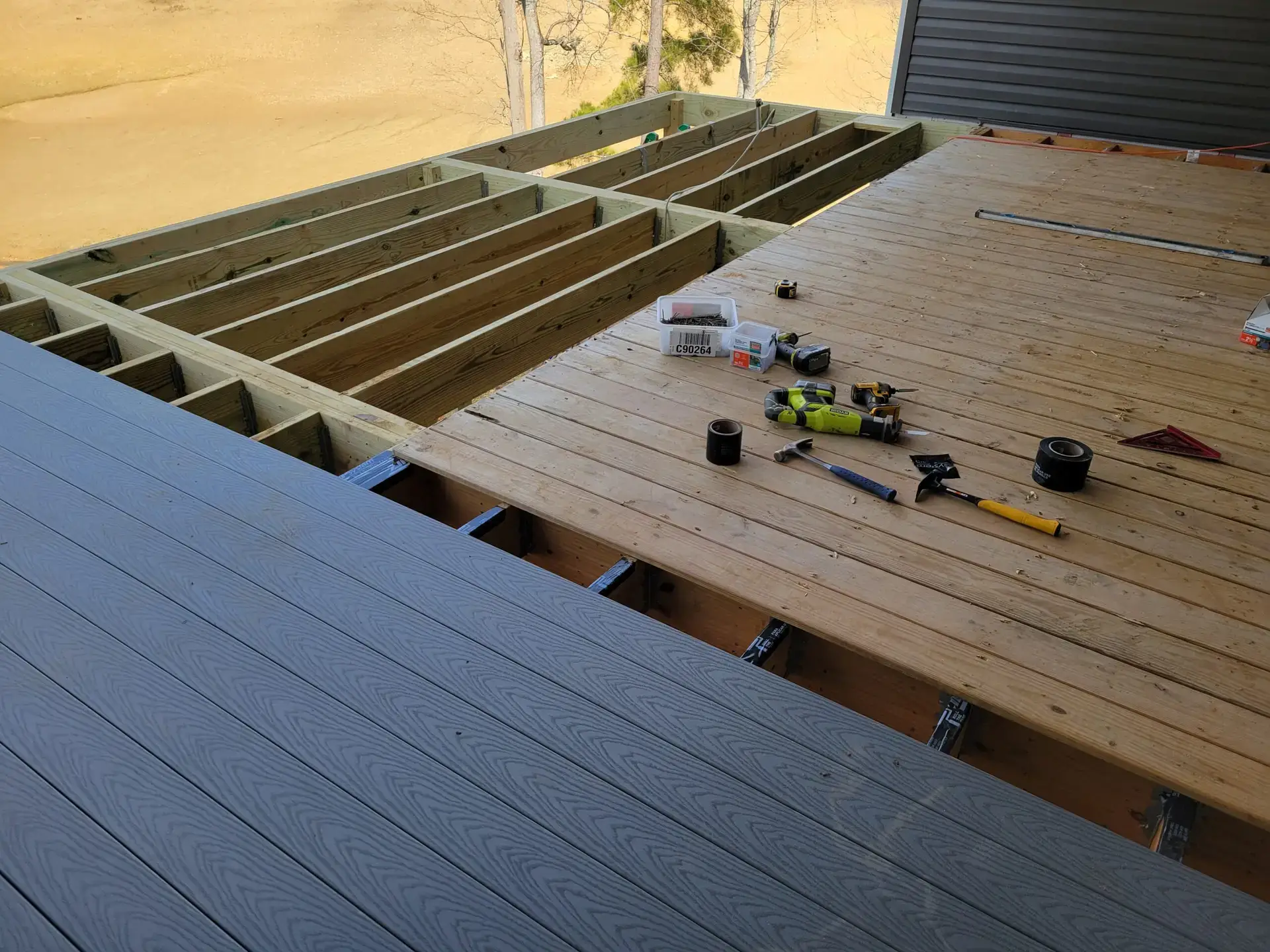
Grading shapes the site to ensure proper drainage and a stable base for structures like decks, patios, and retaining walls. Trenching creates straight lines for utilities and drains, keeping required depths and separation.
How services connect to common projects
- Backfilling and compaction lock in a stable base before building.
- Services adapt to tight urban lots or larger suburban areas.
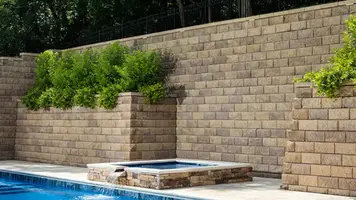
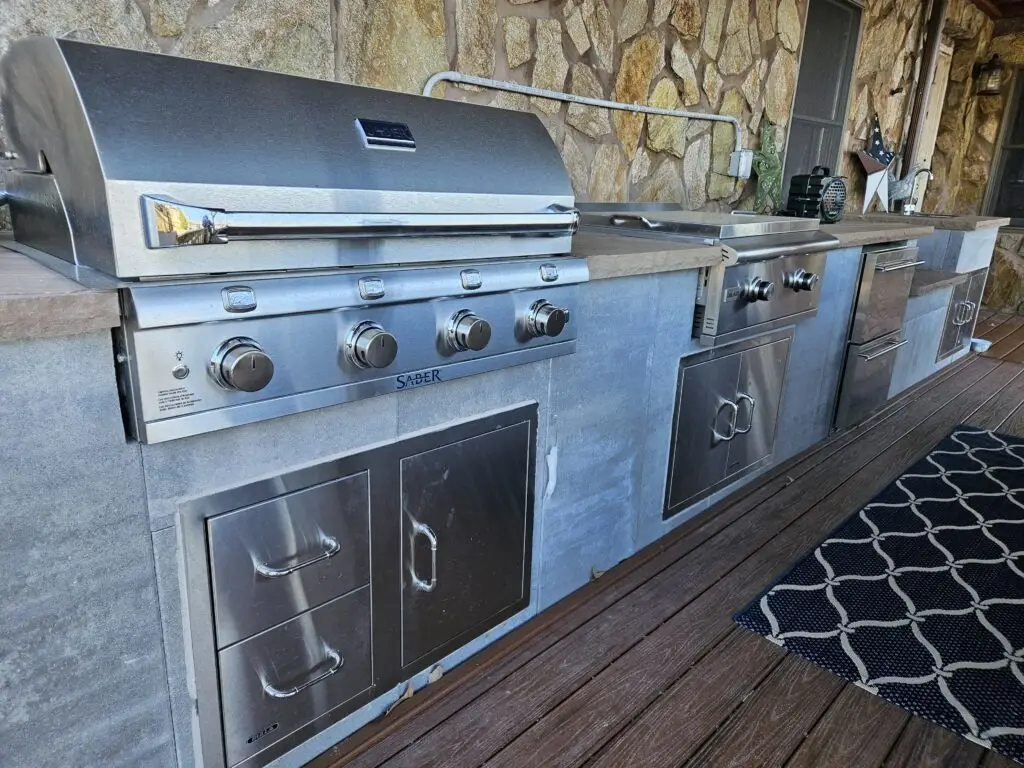
- Outdoor kitchens, pool decks, garden beds, and retaining walls rely on precise site work.
The process is sequenced to reduce disruption and keep the site tidy. Decades of local years of experience help the company anticipate access or soil issues so your finished features perform as intended.
Why Anchored Construction Is the Right Excavation Contractor for Your Home Project
Anchored Construction & Restoration combines local knowledge with disciplined project care to protect your property and budget. Founded in 2000 by Knoxville native Travis Bullington, the company brings over 25 years of leadership and hands-on experience to every job.
Over 25 years of experience led by Knoxville native Travis Bullington
Travis’s roots in Knoxville shape practical planning and dependable timelines. Skilled operators and supervisors guide each phase to avoid surprises.
Licensed and insured team with clear communication and fast response
The company is licensed insured so your home stays protected while work proceeds. Anchored emphasizes clear communication and a fast response for estimates and schedule updates.
From big to small projects: bobcat and excavation services, grading, hardscapes, retaining walls
Anchored handles both big small scopes. Their services include bobcat work, grading, retaining walls, and hardscapes. A dedicated team professionals maintains equipment and delivers quality so the work is done right the first time.
- Local leadership and decades of experience.
- Licensed, insured crews and safe site practices.
- Fast estimates, clear updates, and efficient service.
Call today for a quick site conversation: (865) 316-6933 or Info@anchoredconstructiontn.com. Anchored Construction & Restoration will help define scope, budget, and timing so your project moves forward with confidence.
Plan Your Excavation Project the Right Way
Smart upfront planning sets realistic expectations for scope, cost, and time. Anchored Construction & Restoration draws on years of local experience to help homeowners shape access, elevations, and drainage goals before breaking ground.
Define scope, access, and key elevations
Start by mapping the exact footprint, depth, and area to be improved. Note nearby features that affect access or safety. Include utility lines and property boundaries so work stays inside limits.
Protect structures with drainage and schedule planning
Set finished elevations to move water away from buildings. Plan outlets and slopes to reduce future repairs. Build buffers for rain and saturated soil; weather can extend the project and affect compaction.
- Map machinery paths to avoid damaging turf, irrigation, or structures.
- Stage spoils and materials so trucks and loaders move efficiently.
- Document site preparation steps to verify progress and keep attention details high.
- Coordinate downstream trades—concrete, decking, and landscaping—to save time and money.
- Confirm lines and permits before digging to prevent delays.
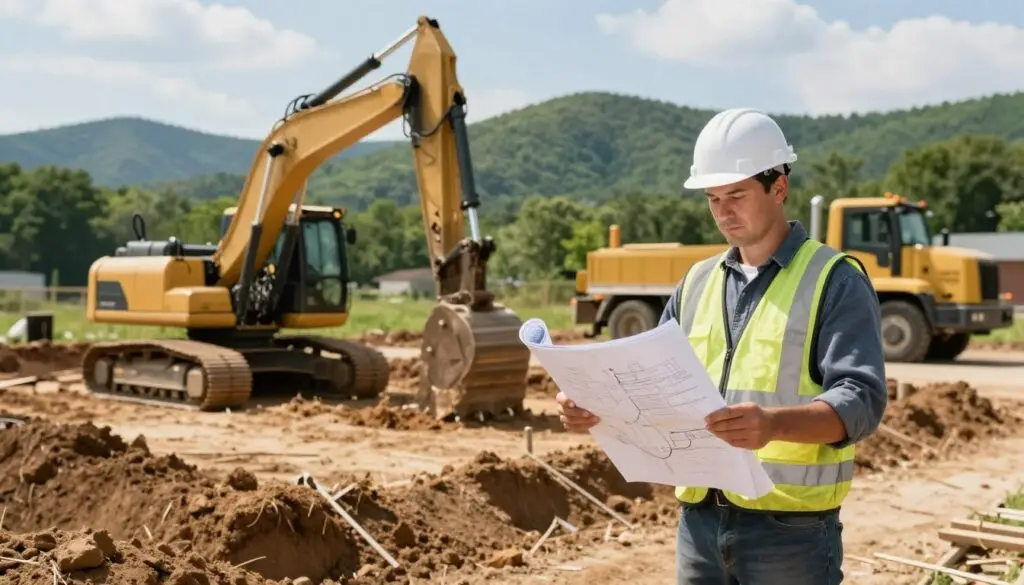
Before You Dig: Utilities, Permits, and Site Assessment
Safety and paperwork come first: locate lines and review permits before any ground work. Call 811 to mark power, water, sewer, and gas lines. Use white paint to outline the planned dig and photograph the markings for records.
Call 811 to locate utilities
Make the call to 811 so all underground lines, including gas lines, are clearly identified. This step helps you avoid delays and accidental damage during work.
Check permits and regulations
Verify local rules and permits for grading and site work. Permits prevent rework and fines. Anchored Construction & Restoration can help coordinate locates and filings with your contractor.
Soil and site review
Test soil for stability and plan compaction to reduce settlement. Remove vegetation with full root extraction. One dump truck holds about 10–12 cubic yards of fill dirt. For small trenches, consider to rent trencher or a mini-excavator to save time and much cost.
- Mark the layout and confirm measurements.
- Document photos and markings before digging.
- Plan spoil placement away from marked utilities.
Marking, Clearing, and Preparing the Work Area
Precise staking and deliberate clearing set the stage for efficient equipment movement and safe work. Anchored Construction verifies layouts and plans access so the team avoids costly rework and protects nearby features.
Stake and paint the layout; measure twice to avoid rework
Use white waterproof marking paint for durable lines. Stake the site, then re-check dimensions to confirm the plan matches permits and drawings.
Vegetation and structure removal, including full root extraction
Remove trees, bushes, and root balls completely. Full root extraction stabilizes the ground under patios, decks, and retaining walls.
Create safe equipment access and staging areas for materials
Plan equipment paths and a clear staging place for materials. Place spoil on tarps to protect lawns and speed clean-up.
- Protect structures: use barriers or padding during moves.
- Plan truck paths: confirm turning and parking to avoid bottlenecks.
- Set spoil safely: choose level, stable areas back from trench edges.
- Coordinate deliveries: avoid stacking where machines must operate.
- Keep communication: constant updates help the crew respond to changes.
Years of local experience help the team foresee tight turns, low overheads, and access constraints before equipment arrives. That attention details keeps the site orderly and the project on track.
Tools and Equipment for a Smooth Excavation Process
The correct mix of machines and hand tools keeps a site productive and safe.
Rent a portable trencher for long, narrow utility lines. Choose a mini-excavator for deeper or tighter digs where a full machine cannot access. Use hand tools for small shallow holes to save cost and limit turf damage.
Essential support gear
Keep tarps to protect lawns and to stage spoils. Wheelbarrows, shovels, gloves, and boots speed daily work and protect the crew.
Compaction tools range from manual tampers to plate compactors. These stabilize fill dirt and reduce settlement risks.
Right machines for grading and earthmoving
Match machine size to site constraints. Compact loaders and small buckets reduce damage and improve grading accuracy.
- Attachments: narrow buckets for trench drains, grading blades, and tooth buckets for breaking roots.
- Skilled team professionals operate gear for faster production and safer service.
- Stage equipment and manage spoil to keep walkways clear and minimize idle time.
Excavation, Grading, and Compaction: Step-by-Step
Consistent methods and clear checks let trades follow at the right time and with confidence. Anchored Construction & Restoration follows a predictable sequence so elevations are accurate and the base is stable.
Excavation sequence: digging, earth removal, and safe spoil placement
Dig to the plan depth and protect trench walls. Move spoil to tarps or a designated area to keep the site orderly.
Installing trench drains and utility trenches with clean lines
Install trench drains at low points to redirect water from slabs and patios. Cut utility trenches with clean lines and consistent depths. Maintain separation for water, sewer, electrical, and gas lines.
Rough vs. fine grading: achieving precise slopes for drainage and builds
Rough grading sets the form. Fine grading dials in exact slopes for proper drainage and finished surfaces.
Compaction testing and backfilling with fill dirt for a stable foundation
Compact in thin lifts and test density as you go. Use fill dirt free of organics to stabilize base layers.
- Begin by digging to target depth and keeping edges protected.
- Stage soil on tarps, then install trench drains and clean utility lines.
- Rough then fine grade, compact in lifts, and confirm bearing with tests.
- Verify gas lines and other utilities before final backfill.
- Finish with final grading so follow-on trades can get done and the job done, leaving the project completed on schedule.
Timeline, Budget, and Quality Results
Scheduling, site conditions, and crew size all shape how quickly a project reaches completion. Anchored Construction aligns resources so work progresses without needless delays.
What impacts time and cost
Soil type and moisture change compaction needs and extend time on site. Heavy clays or saturated ground require extra lifts and testing.
Tight access or steep approaches affect equipment choice. Smaller machines slow production but protect yards on cramped sites.
How we keep projects on schedule
Clear communication keeps decisions timely and prevents idle work. Crew plans, delivery windows, and weather notes are shared in advance.
Sequenced services — from digging to grading and compaction — create predictable milestones. Experienced crews adjust fast when conditions shift.
Transparent estimates and licensed, insured service
Anchored Construction provides clear estimates with allowances and contingencies. Homeowners see how changes affect time and much cost.
- Options for big small scopes with scaled crews and machines.
- Licensed insured teams protect homeowners and smooth inspections.
- Commitment to quality so the job is done right and the project completed on schedule.
Call today to discuss needs, align expectations, and get done with confidence across East Tennessee areas.
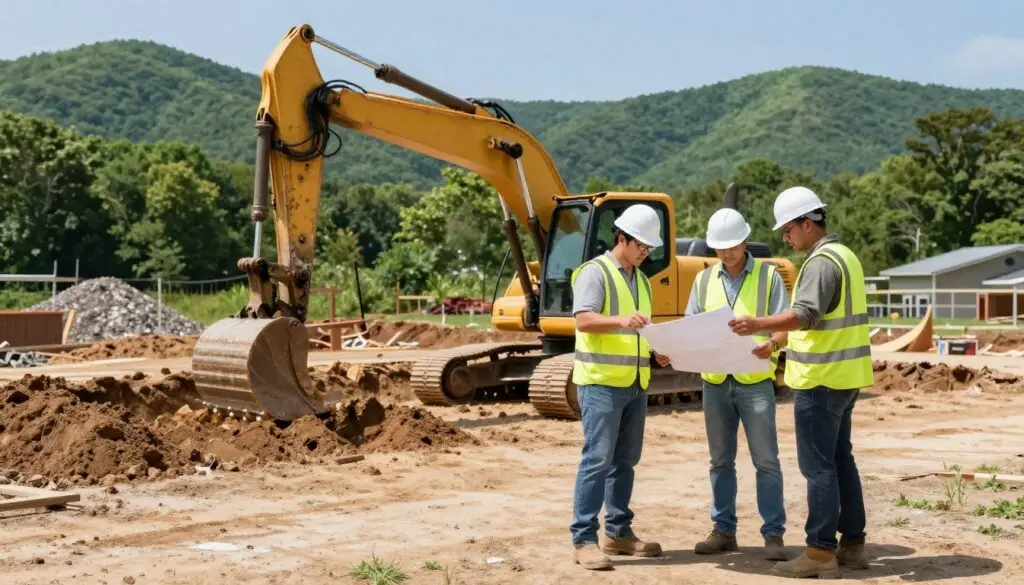
Conclusion
Anchored Construction turns careful planning into durable site results homeowners trust.
Expert site work lays the groundwork for lasting construction and building projects. Precise grading, properly placed trench drains, and verified compaction create stable bases for patios, decks, and retaining structures.
The company brings more than 25 years of local experience to each job. Licensed and insured crews align equipment and methods to protect your property and meet your needs.
Feel free to call today at (865) 316-6933 or email Info@anchoredconstructiontn.com. Feel free to request a walkthrough, photos, or references so the team can plan the way forward and deliver quality results you can see and feel.