Financing Available! We have financing options available for your next project. Learn more →

How to Seal Concrete Driveway: A Guide by Anchored Construction

Table of Contents

Can a simple surface step really protect your pavement for years and change the look of your home?

Anchored Construction & Restoration has served East Tennessee since 2000. Led by Knoxville native Travis Bullington, the team brings 25+ years of hands-on experience. They focus on clear communication and results that wow clients.

This guide sets expectations from planning and prep through application and curing. It explains why surface protection repels water, salts, oil, and stains while improving long-term appearance.

Readers will learn the main types of products and finish looks, the tools and safety gear needed, and the best weather windows for reliable curing. The section also previews step-by-step application tips and timelines for walk and drive use.

If you prefer a pro finish, Anchored Construction offers local, professional help in Knoxville and surrounding areas. Call (865) 316-6933 or email Info@anchoredconstructiontn.com.

Key Takeaways

  • Understand the full process before buying materials.
  • Protection extends surface life and appearance.
  • Choose a product that matches your desired finish and durability.
  • Have the right tools, PPE, and cleaning supplies on hand.
  • Apply thin, even coats and respect dry weather for proper curing.

Why sealing your concrete driveway matters in the United States today

A well-chosen surface treatment can cut repair needs and keep a paved area looking fresh for years.

In East Tennessee, frequent rain, hot summers, and occasional freezes create stress on slabs. Moisture and road salts drive many common forms of surface damage. When water soaks in and freezes, cracks widen and spalling follows.

Applying the right product adds meaningful protection. Film-forming and penetrating options limit moisture entry, resist oils, and make cleanup easier. UV-resistant formulas also reduce yellowing and fading in bright sun.

  • Sealing creates a barrier against water and salts that cause wear.
  • Regular care extends service life in high-traffic areas and reduces staining over the years.
  • Schedule work during a dry forecast, flush application equipment after cleaners, and keep deicing products off the slab when possible.

Homeowners can follow these practical tips, but professional application from Anchored Construction & Restoration ensures correct product choice, prep, and longer-lasting results in the Knoxville area.
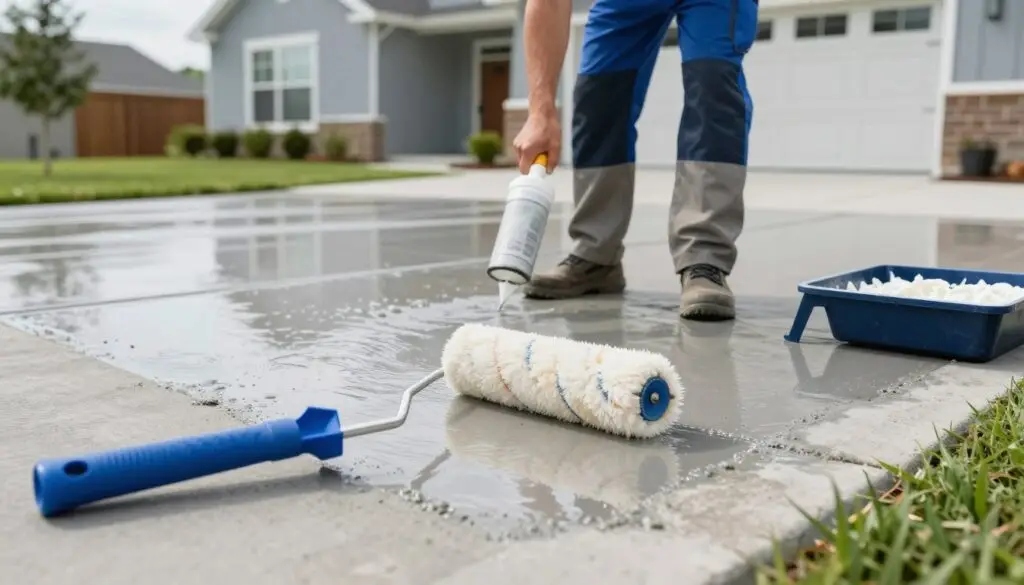
A close-up view of a freshly sealed concrete driveway, emphasizing the glossy, reflective surface of the concrete sealer. In the foreground, a paint roller is resting on the driveway, with a tray filled with sealer nearby. The middle ground features a professional wearing a blue work shirt and khakis, applying the sealer with precision. The background showcases a clean and modern suburban home, with green grass and blue skies, conveying a sense of home improvement. Soft, natural lighting enhances the sheen of the sealed concrete and the vibrant colors of the environment. The composition captures a sense of diligence and care in home maintenance, inviting the viewer to explore the process of sealing concrete driveways.

How to seal concrete driveway: plan, products, and picking the right sealer

Begin by deciding whether you want a natural look, subtle sheen, or deeper color. That choice narrows product options and clarifies labor and budget needs.

Penetrating sealers vs. topical coatings

Penetrating sealers work inside the slab. They block moisture and deicers while leaving a matte appearance. They let vapor pass and require little visual change.

Acrylics, polyurethanes, and densifiers

Acrylic sealers create a thin film. They dry fast, offer UV resistance, and come in water or solvent versions for different sheen levels.

Polyurethane systems build thicker films. They resist abrasion and chemicals and suit heavy traffic when slabs are dry at application.

DensiCrete-style densifiers react with silica to harden the top layer. They provide long-term protection without changing the surface look.

  • Define goal: natural, satin, or gloss finish.
  • Match the type and prep needs to expected traffic and budget.
  • Anchored Construction selects products for Knoxville homes based on desired durability and appearance.

Surface prep done right: cleaning, stain removal, and repairs before sealing

Good surface prep makes the difference between a short-lived finish and one that lasts years. Anchored Construction emphasizes safety, quality tools, and step-by-step cleaning so products bond and perform.

Tools and materials checklist

  • Pressure washer or washer, surface cleaner, garden hose.
  • Tank sprayer, scrub brush, paint brush, roller and frame.
  • Cleaning gloves, splash-resistant goggles, spill absorber, degreaser, concrete cleaner.

Removing oil and grease

Blot fresh oil stains; do not rub. Apply cat litter or a baking soda and dish soap paste. Scrub with a stiff brush and rinse well. For older spots, try TSP or a commercial degreaser.

Paint and rust treatment

Latex paint often lifts with TSP and scrubbing. Oil-based paint may need a chemical stripper and scraping. Light rust responds to vinegar or lemon juice. Use CLR or oxalic acid for heavy stains; rinse thoroughly and wear gloves.
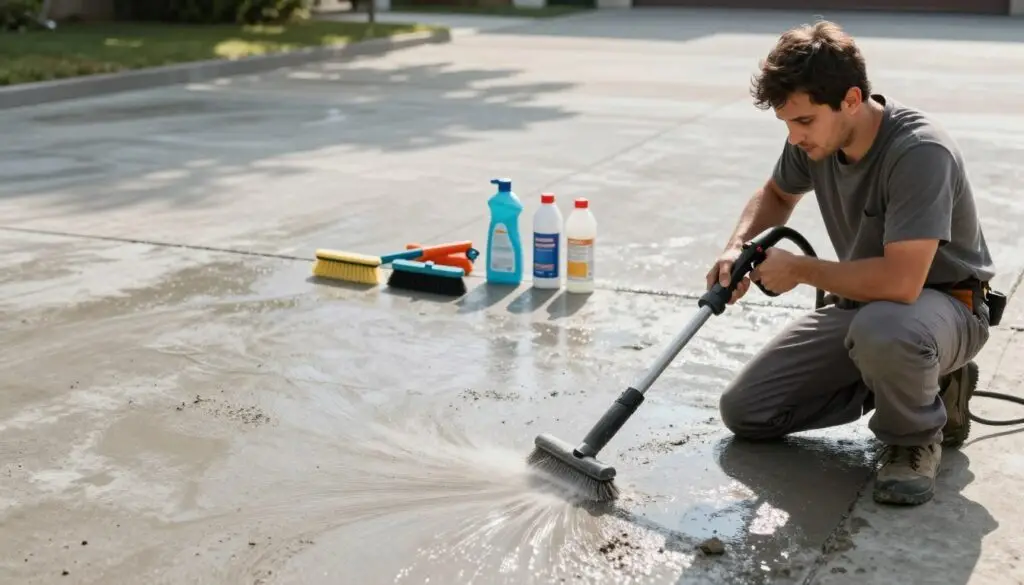
A detailed scene depicting the surface preparation process for sealing a concrete driveway. In the foreground, a professional in modest, casual clothing is kneeling beside a concrete surface, using a pressure washer to clean away dirt and grime. Their focused expression highlights the importance of proper preparation. In the middle ground, an array of cleaning tools, like scrub brushes and chemical stain removers, are neatly arranged. The background displays a freshly cleaned, gray concrete driveway, glistening under bright afternoon sunlight that casts soft shadows. The overall mood is meticulous and industrious, capturing the essence of thorough preparation before sealing. The angle is slightly elevated, showcasing the driveway's length while emphasizing the ongoing work.

Pressure washer technique and repairs

Use a 25-degree nozzle for general cleaning and 15-degree for tough spots. Keep the wand 8–24 inches from the slab and keep it moving to avoid etching. Flush siphon lines with clean water after detergent use.

Let the slab dry 24 hours. Inspect for cracks and chips, then patch or resurface as needed before applying any sealer. Methodical prep saves time and delivers a uniform final result.

Step-by-step application: from first coat to final cure

Good timing, tools, and thin passes deliver an even finish that stands up to weather and traffic. Confirm a clear, dry forecast and temperatures above about 50°F for at least eight hours. New slabs should cure roughly 28 days before treatment.

Check the weather window

Apply when the slab is dry and no rain is expected. Keep water off the area during cure time. Cold or damp conditions lengthen dry times and risk adhesion failures.

Sprayer, roller, or brush

Use a tank sprayer for fast, even coverage. A roller gives control on textured areas, and a brush finishes edges and joints. Anchored Construction follows manufacturer specs for equipment and coverage.

Thin, even coverage and second coat strategy

Work from the high point outward and maintain a wet edge. Apply thin coats with overlapping passes. Remove buildup and wait the recommended recoat time, then lay the second pass perpendicular for uniform coverage.

Drying, cure, and safety

Follow label dry times for foot and vehicle use. Keep sprinklers and runoff away until fully cured. Wear splash-resistant goggles, chemical-resistant gloves, and ventilate when using solvent formulas.

  • Quick checklist: confirm dry forecast, pick the right tools, apply thin coats, respect recoat and cure time.
  • Pro tip: use professional sprayer and roller combos for the best finish when aiming to seal concrete driveway surfaces.

Pro tips, maintenance, and mistakes to avoid

A few practical routines protect your investment and preserve curb appeal year after year.

Salt, water, and stains: Avoid chloride-based salts during winter. Use sand or non-chloride alternatives to reduce surface scaling and long-term damage.

Wipe oil and automotive fluids quickly. Prompt cleanup prevents deep stains and preserves the surface protection. Place drip trays under leaking vehicles.

Reapplication timelines and upkeep

Products vary in longevity. Acrylics often need refreshes sooner. Polyurethane systems and densifiers last longer and resist abrasion for more years.

  • Sweep and rinse regularly to remove grit that abrades the top layer.
  • Inspect annually for small cracks and repair early to stop water intrusion and further damage.
  • Do not over-apply maintenance coats; heavy buildup can peel or whiten.

When protection fails: Loss of water beading or stubborn stains signals a maintenance recoat. Anchored Construction & Restoration offers scheduled maintenance plans for Knoxville homeowners who prefer professional care.

Why Knoxville homeowners trust Anchored Construction for sealing and concrete services

Knoxville homeowners count on consistent results from teams that know regional conditions. Anchored Construction & Restoration began in 2000 under Travis Bullington, a South Doyle High and University of Tennessee graduate.

The team brings over 25 years of hands-on experience. That experience covers concrete work, decks, landscapes, outdoor kitchens, hardscapes, and retaining walls. They also handle commercial needs like warehouse repair, pallet racking, and excavation.

Local expertise led by a Knoxville native

Travis blends practical skills with a love for East Tennessee. He focuses on clear communication, precise prep, and efficient project management for every home project.

  • Regional knowledge: soil, weather, and the best way to protect a driveway here.
  • One partner: outdoor projects and commercial site work handled end-to-end.
  • Flexible scheduling: service across Knoxville and nearby areas with reliable timelines.

Contact Anchored Construction

Call (865) 316-6933 or email Info@anchoredconstructiontn.com to plan your project.
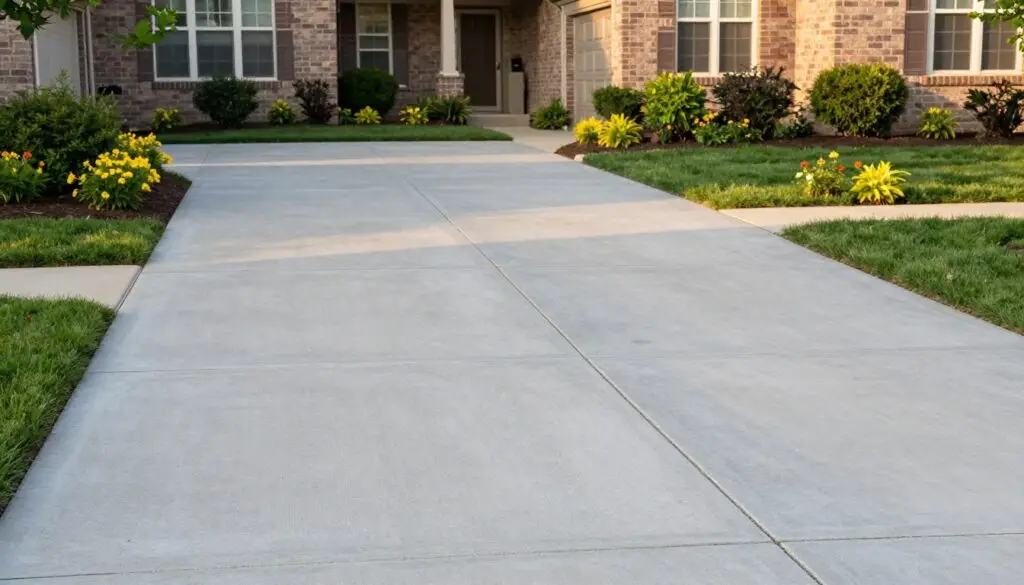
A well-maintained concrete driveway stretches prominently in the foreground, showcasing its smooth, light gray surface with subtle texture and seamless edges. The middle ground depicts carefully manicured lawns on either side, dotted with vibrant green shrubs and flowers that contrast beautifully against the driveway. In the background, a residential home with warm brick tones is partially visible, giving a sense of context and belonging. The scene is captured in soft afternoon light, casting gentle shadows that enhance the driveway's details. The perspective is slightly elevated, offering a clear view of the entire driveway, inviting and pristine. The overall atmosphere is serene and inviting, emphasizing the importance of maintaining a concrete driveway in contemporary American homes.

Conclusion

A clear plan and the right products deliver lasting protection and curb appeal.

Sealing a concrete surface guards against water, stains, oil, and everyday wear. Choose a sealer that matches your finish goals—penetrating sealers for invisible defense or acrylics for a light film. Prep with a pressure washer and cleaner. Apply thin coats with a sprayer, roller, and brush. Address small cracks early and refresh the sealant on schedule.

For expert help, Anchored Construction & Restoration handles complete projects across Knoxville and nearby areas. They manage stain removal, product selection, and final finish for long‑lasting results. Call (865) 316-6933 or email Info@anchoredconstructiontn.com to schedule a consultation.
FAQ

Why does sealing a driveway matter for homeowners in the United States today?

Sealing protects the surface from water, freeze-thaw damage, deicing salts and oil stains. A proper sealer slows surface wear, reduces staining and keeps the slab looking newer longer. For homeowners in East Tennessee, it also helps prevent spalling from seasonal moisture and salts.

What are the main sealer types and how do they differ?

There are two broad groups. Penetrating sealers soak into the concrete and block water without changing appearance. Topical film-forming coatings, like acrylics and polyurethanes, sit on the surface. Acrylics give an affordable sheen and color enhancement. Polyurethanes provide tougher abrasion and chemical resistance but cost more. Densifiers chemically harden the surface for long-term durability rather than creating a visible film.

When should a homeowner choose a penetrating sealer over a topical coating?

Choose a penetrating sealer when maintaining a natural, non-gloss look is important and when freeze-thaw protection is needed without altering texture. Use topical coatings when color enhancement, stain resistance or a glossy finish is desired, or when added abrasion resistance is required for heavy traffic.

How should the surface be prepared before applying any sealer?

Clean thoroughly. Remove dirt, loose material, algae and efflorescence. Use a pressure washer and suitable concrete cleaner. Treat oil with degreasers or poultices. Strip paint and treat rust stains with appropriate chemicals and rinse well. Repair cracks and spalls or consider resurfacing if damage is extensive. Allow the slab to dry fully before applying sealer.

What tools and materials are required for proper prep and application?

Common items include a pressure washer, concrete cleaner or degreaser, pump sprayer or airless sprayer, rollers and brushes for edges, personal protective equipment (gloves, splash goggles), and patching compounds for repairs. Choose products compatible with the selected sealer.

How do you remove oil and grease stains effectively?

For fresh spills, absorb with cat litter or sawdust, then sweep and apply a degreaser. For set-in stains, use a commercial concrete cleaner or poultice, scrub with a stiff brush, and rinse thoroughly. Repeat as needed and let the area dry completely before sealing.

What is the correct pressure washer technique to avoid damaging concrete?

Use a wide-spray nozzle and keep the nozzle several feet away from the surface while scanning. Avoid concentrated tips at close range to prevent etching. Rinse chemicals thoroughly and work from high to low areas so runoff carries contaminants away. Allow the slab to dry fully after washing.

When should cracks be patched versus resurfacing the slab?

Small hairline and non-structural cracks can be filled with flexible concrete patching compounds or epoxy fillers. Extensive cracking, settlement, or widespread spalling often warrants a resurfacer or professional evaluation. If the slab is structurally unsound, resurfacing or replacement provides a longer-term solution.

What weather conditions are ideal for applying sealer?

Apply when temperatures are within the product’s recommended range and humidity is low. Avoid rain for at least 24 hours after application and ensure the slab is fully dry. Cooler nights or impending moisture can extend cure times, so pick a dry window with stable conditions.

Which application methods work best for different sealer types?

Penetrating sealers are usually applied with a low-pressure pump sprayer for even coverage, with no ponding. Acrylics can be sprayed or rolled; rollers help control puddles and ensure uniform film thickness. Polyurethane coatings often require roller application in thin, even coats and sometimes multiple passes for high-build systems.

How can homeowners avoid common application mistakes?

Avoid overapplication and puddling. Maintain thin, even passes and follow the manufacturer’s coverage rate. Allow full dry time between coats and use perpendicular passes for second coats. Don’t seal over damp concrete or active stains. Read product labels and test a small area first.

What are best practices for second coats and recoat timing?

Follow label instructions for dry time between coats. Apply the second coat perpendicular to the first for uniform coverage. Ensure the first coat is dry but not fully cured if the product requires a wet-on-wet approach. Improper recoat intervals can cause bubbling or poor adhesion.

How long before foot and vehicle traffic is allowed after sealing?

Allow at least 24–48 hours for light foot traffic with acrylics and many penetrating sealers. Vehicle traffic typically requires 48–72 hours or longer depending on temperature and product. Refer to the manufacturer’s cure time for exact guidance.

What safety gear is necessary during sealing?

Wear chemical-resistant gloves, splash-resistant goggles, long sleeves and pants. Use respiratory protection if working with solvent-based products or when ventilation is poor. Follow safety data sheets and local regulations for handling and disposal.

How do winter salts and moisture affect sealed surfaces, and how can homeowners protect against damage?

Deicing salts can accelerate deterioration if moisture penetrates the slab. Use a penetrating sealer with freeze-thaw protection or reapply a protective coating before winter. Remove salt residue promptly and avoid ammonium-based products that can harm concrete and coatings.

How often should a driveway be re-sealed to maintain protection and appearance?

Reapplication intervals vary. Acrylics often need recoat every 2–4 years. Penetrating sealers can last 3–7 years depending on product and exposure. Polyurethane and high-performance coatings may go longer. Inspect annually and spot-treat worn areas to extend life.

What maintenance keeps a sealed surface looking its best for years?

Regularly sweep and rinse the surface. Clean oil and stains promptly. Avoid harsh chemical cleaners that can strip coatings. Reapply a topcoat as needed based on wear and the product’s recommended schedule.

Why should Knoxville homeowners choose Anchored Construction & Restoration for sealing services?

Anchored Construction & Restoration offers local expertise with decades of regional experience. The team understands East Tennessee climate effects on slabs and recommends products and processes suited for Knoxville. They provide professional prep, correct product selection and skilled application for lasting results.

How can homeowners contact Anchored Construction for a consultation?

Homeowners can call (865) 316-6933 or email Info@anchoredconstructiontn.com for estimates, scheduling and product recommendations tailored to local conditions and homeowner goals.

Read Our Local Reviews

The results we deliver and our customers’ words speak for themselves. Take a look at what they share about working with us:

Things we are great at…

After over 25 years in business, we’ve learned a thing or two about how to wow our clients on every project. Whether commercial or residential, let us use our knowledge and experience to help bring your ideas to life.

Commercial construction and renovation, new build, renovation, updates and more.
Anchored Construction and Restoration: Your Premier Knoxville Concrete Contractors.
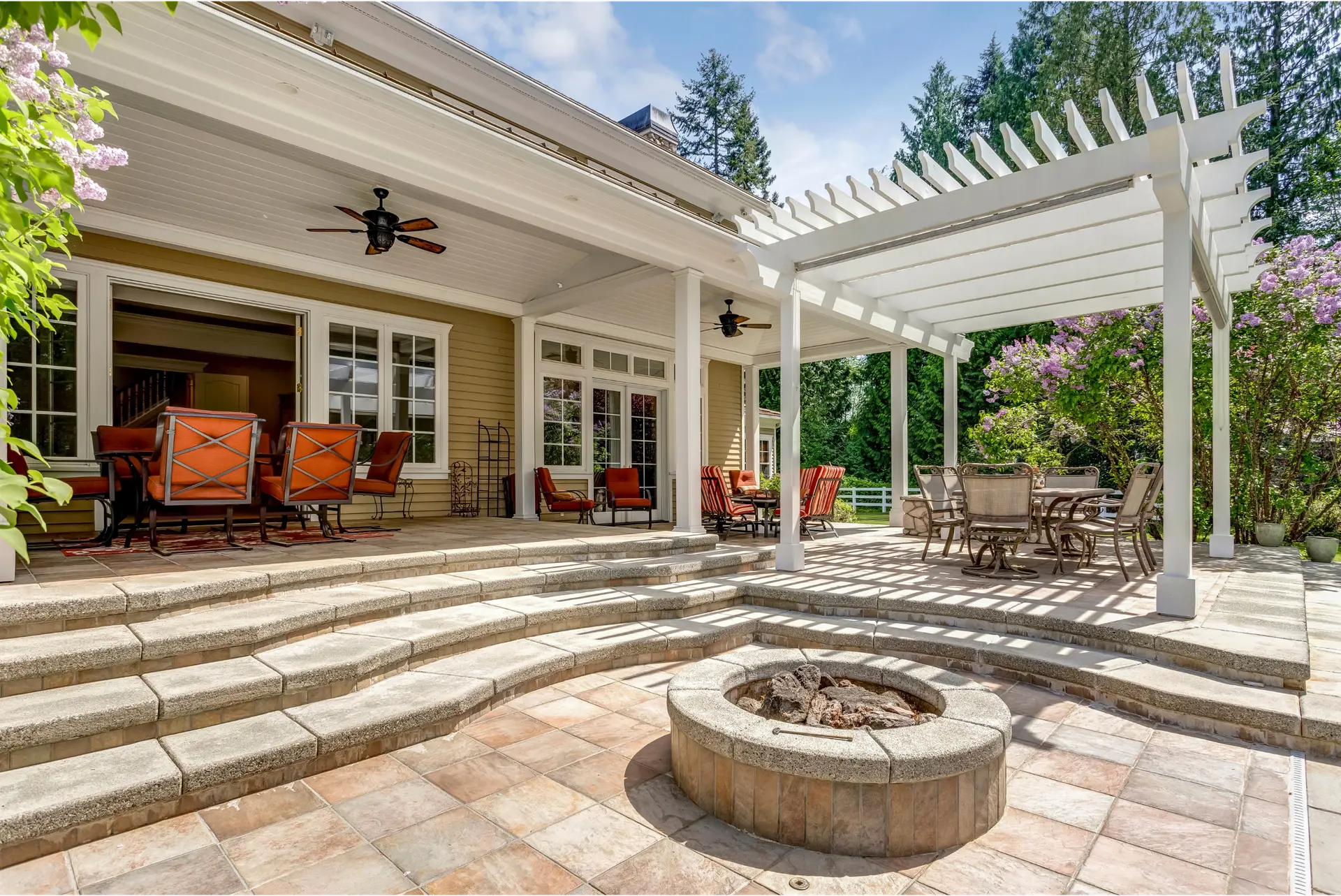
Design and construction of a new deck or pergola, repair of existing structures or adding on to what you already have
Patios, retaining walls, outdoor kitchens and more
Anchored Construction and Restoration: Your Premier Knoxville Home Renovation and Remodel Contractors.
Residential and commercial, new installation and renewal of existing installations
Creating an outdoor kitchen involves adding a grill and a few chairs.
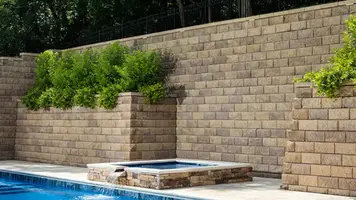
Retaining walls can enhance a property’s aesthetics, functionality, and safety.
From turnkey new construction and buildout to installing pallet racking, dock plate levelers, man door installation and repair and more
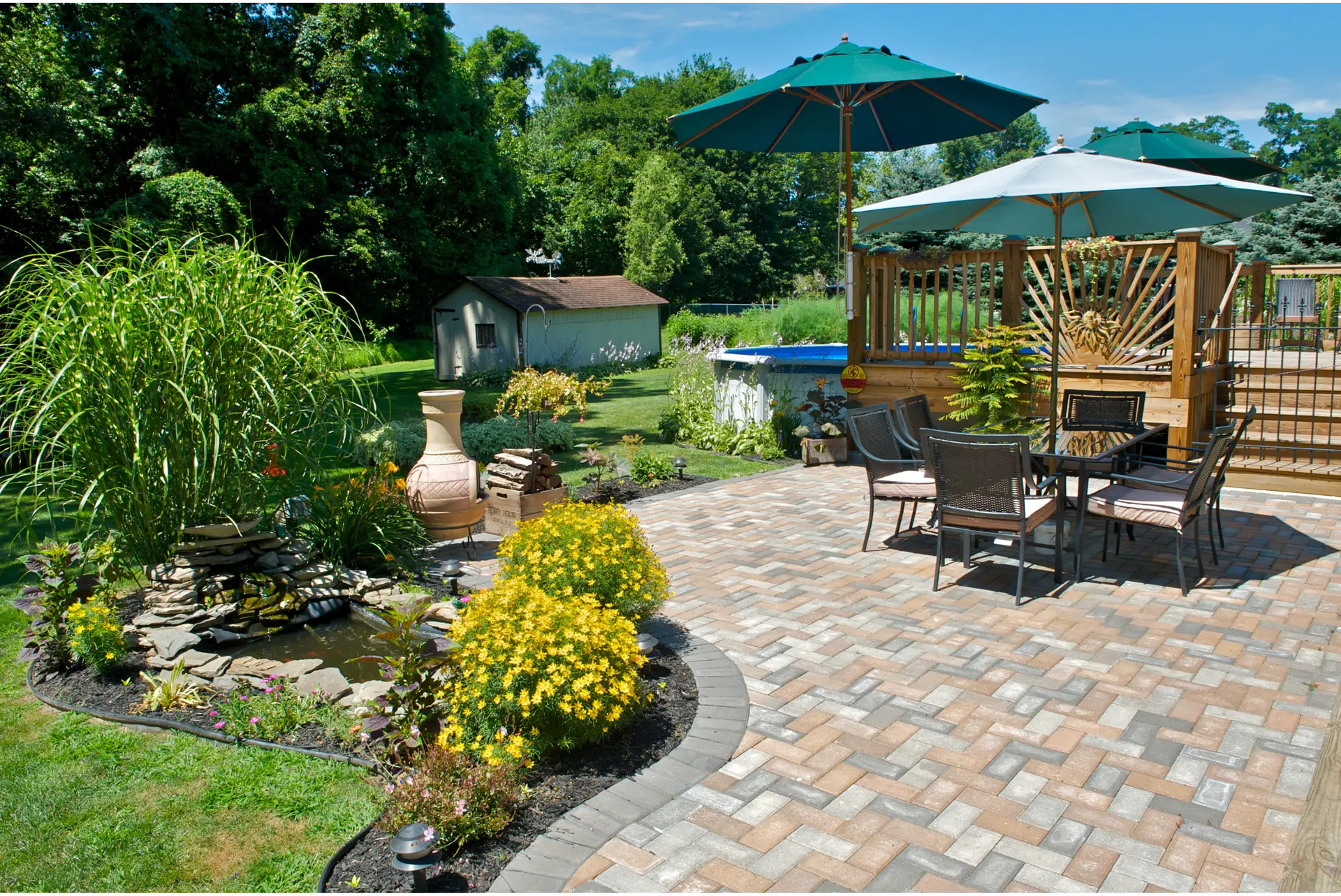
Paver Patio
Get In Touch

Share

Get Your FREE Quote Today!