Can a few simple fixes extend the life of your slab and save you thousands later?
Anchored Construction & Restoration has served Knoxville and East Tennessee since 2000. Led by Travis Bullington, the team brings over 25 years of experience in concrete services, hardscapes, retaining walls, decks, and outdoor kitchens.
This short guide shows a clear sequence you can follow to assess and fix common wear. Start with an inspection. Clean with a pressure washer. Fill small cracks with patching compound. Treat larger gaps with the right kit. Lift sunken sections when needed. Smooth edges and apply a sealer after full curing.
Expect practical steps, safety tips, and advice on when to call pros. Anchored Construction helps homeowners who need on-site estimates or whose projects exceed DIY scope. Contact (865) 316-6933 or Info@anchoredconstructiontn.com to align a timeline and get reliable results.
Key Takeaways
- Follow a simple step sequence to extend slab life and cut costs.
- Small fixes can work; larger damage may need professional intervention.
- Proper cleaning, patching, lifting, and sealing yield durable results.
- Avoid work in heavy rain, extreme heat, or freezing conditions.
- Anchored Construction offers local expertise and scheduling help.
User intent and what “how repair concrete driveway” really means
A search for this topic usually aims to learn, plan, and decide whether to DIY or hire a pro. Readers want clear steps, realistic timelines, and an honest read on costs and return on investment.
Informational intent centers on identifying visible signs and matching them to appropriate fixes. Small hairline cracks and light surface wear are often manageable by a homeowner with the right materials and patience.
Major gaps, wide cracks, or sunken panels signal structural issues. These problems need specialized tools and experience to get lasting results. Weather windows and curing times also control scheduling and final durability.
- Confirm the issues, then choose the right step for safety and longevity.
- Successful results remove trip hazards, stop water intrusion, and restore curb appeal.
- Anchored Construction helps Knoxville homeowners weigh options, timelines, and ROI for both residential and commercial projects.
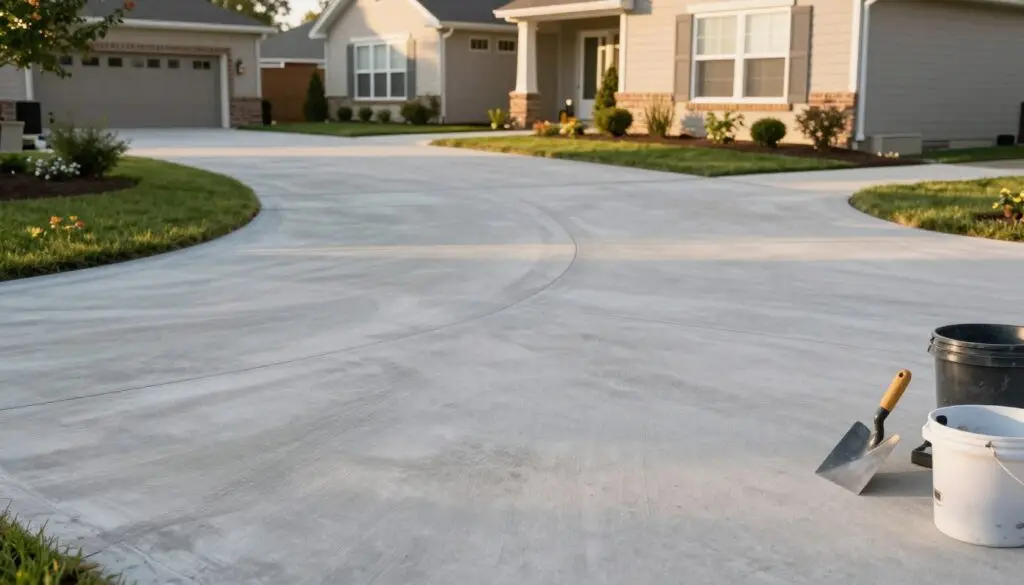
Concrete driveway issues: common signs, causes, and when to act
Spotting the right warning signs lets homeowners act before small flaws become costly. Short checks reveal whether a quick fix will do or if a pro should evaluate the slab.
Visible signs to watch
Look for linear cracks, map-pattern cracking, and areas of discoloration. Sunken sections that collect standing water create hazards. Wide gaps at edges or between panels mean movement and possible loss of base support.
Common causes and when to intervene
Freeze-thaw cycles, poor drainage, heavy vehicle loads, and de-icers speed damage. Small holes and narrow cracks often respond to a concrete patching compound or patching compound made for exterior use.
- Linear and map cracks signal surface or movement issues needing timely attention.
- Standing water indicates drainage problems that undermine the base.
- Separation at joints or settled slabs may require leveling rather than simple concrete patching.
Anchored Construction & Restoration’s field experience in East Tennessee shows early action extends service life. Act when you see these signs to limit further damage and cost.
Tools and repair products you’ll need for driveway repairs
Gathering the right tools and materials saves time and makes fixes last longer. Anchored Construction & Restoration specifies pro-grade gear on Knoxville jobs to speed work and improve finish quality. Homeowners can mirror that approach for smaller scopes.
Cleaning and prep
Start with safety. Gather PPE: safety glasses, gloves, hearing protection, and a dust mask. Use a pressure washer or a stiff brush to remove dirt and loose debris from the concrete surface.
Chisel out weak edges and wire brush cracks so new material bonds to sound substrate. These simple steps improve adhesion and longevity.
Repair materials
Choose an exterior-rated concrete patching compound designed for cycles of heat and cold. A bonding agent between old and new surfaces ensures a solid bond.
- Patching compound or concrete patching compound for small cracks and holes.
- Resurfacer to restore uniform texture.
- A quality sealant or sealer to protect against water and stains after curing.
For larger issues
Use lifting foam to raise sunken panels and a mortar mix with a mixer for deeper edge loss. Keep a trowel, margin trowel, and mixing paddle on hand to match joint profiles.
Match products to the damage. Choosing the right materials and repair products yields a stronger finish and fewer callbacks.
How repair concrete driveway: step-by-step process
Start with a clear map of visible damage so no flaw is missed during work. Walk the area and mark cracks, spalls, holes, and low sections. A marked plan saves time and avoids rework.
Inspect and prepare
Use a pressure washer to remove dust and loose debris. Chisel out weak edges and wire-brush cracks so new material bonds to sound substrate.
Small defects and larger gaps
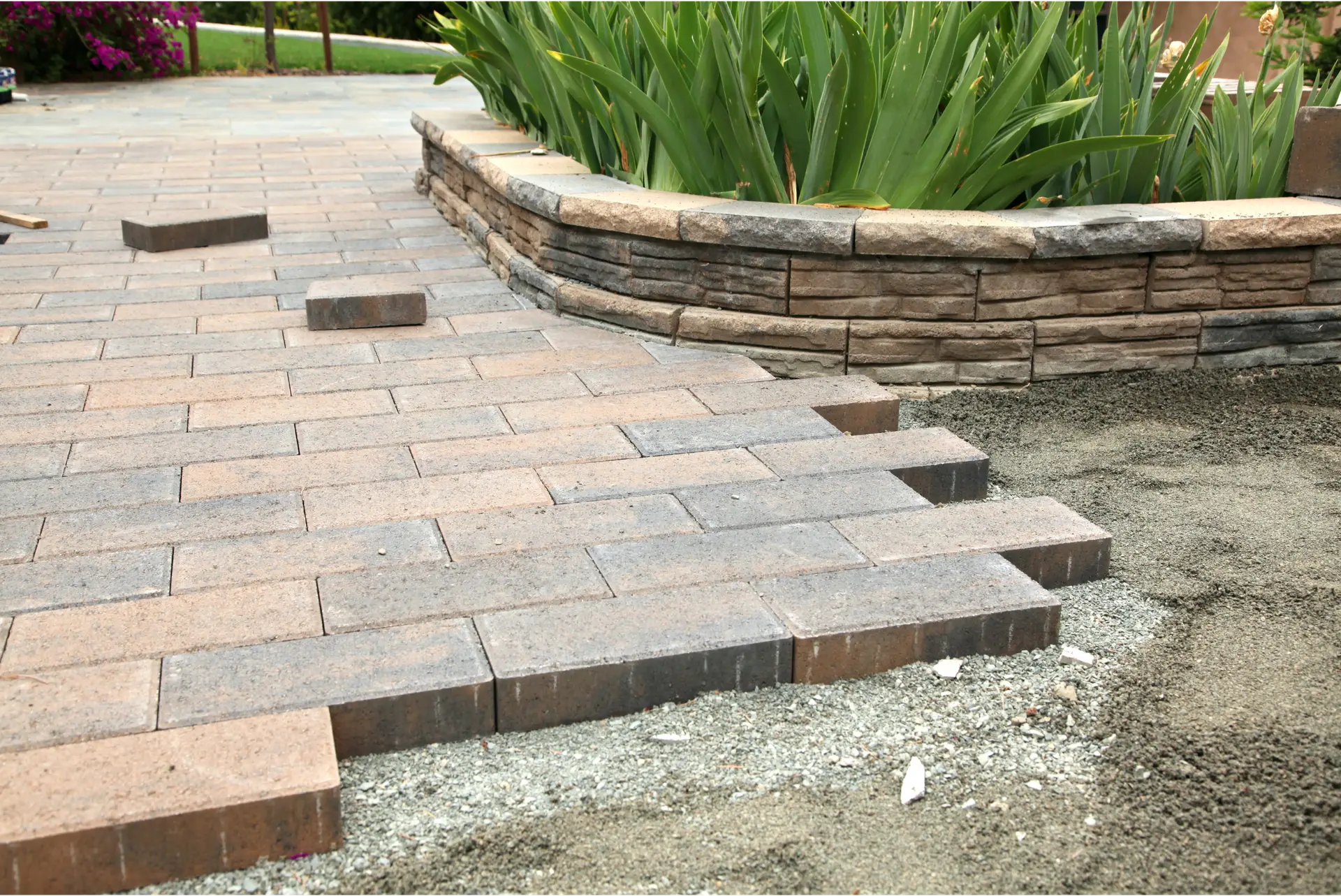
Fill hairline cracks and minor holes with a concrete patching compound rated for exterior use. For larger cracks and widened joints, follow the kit instructions for mixing and placement to restore continuity.
Leveling, finishing, and protection
Lift settled sections with foam and compact accessible voids at edges. Trowel transitions smooth and respect curing time so repairs gain strength.
- Inspect and mark all problem areas.
- Clean with a pressure washer and prep edges.
- Use patching compound for small cracks and holes.
- Address larger cracks with appropriate kits.
- Level, smooth, allow cure, then apply a sealer.
Careful prep and the right material choices reduce callbacks and help Anchored Construction & Restoration deliver consistent results across sections in East Tennessee.
Application tips for better results and fewer do-overs
Simple attention to timing and technique prevents common rework and keeps results durable.
Follow manufacturer instructions and curing windows. Read labels for mix ratios, pot life, and cure times. Anchored Construction’s crews verify open times and recoat intervals to match East Tennessee conditions.
Mind weather. Avoid work in heavy rain, extreme heat, or freezing. Check forecasts and make sure temperature and humidity stay within product limits from start through cure.
Bonding agents and surface prep. Profile and clean the concrete surface so bonding agents penetrate. This helps new materials lock to the old slab for better adhesion and longer-lasting results.
- Read and follow all product instructions for mix and working time.
- Confirm weather and plan work sequences around curing time.
- Use proper tools to control thickness and limit trapped air.
- Protect fresh areas from traffic and water until full cure.
Mistakes to avoid that can shorten the life of your repair
Simple shortcuts during a patch job often cause the fix to fail long before its time. Anchored Construction & Restoration advises steady prep, right materials, and good timing across Knoxville neighborhoods.
Skip these common errors to keep repairs durable.
- Skipping cleaning and edge prep leaves dust and weak material. That undermines bond and invites further damage or cracks.
- Using indoor-only products outdoors speeds failure. Make sure materials are exterior-rated for concrete and weather exposure.
- Working in heavy heat, freezing, or rain interrupts cure time and reopens cracks once loads return.
- Ignoring joint movement or larger cracks turns a thin patch into a repeat problem. Address movement or use the right kit for bigger gaps.
- Overlooking drainage and skipping routine maintenance lets water undermine the slab and shortens the life of repairs.
Follow manufacturer instructions and allow proper cure time. Small, steady steps now save time and cost later. Anchored Construction helps clients avoid these pitfalls and plan lasting work.
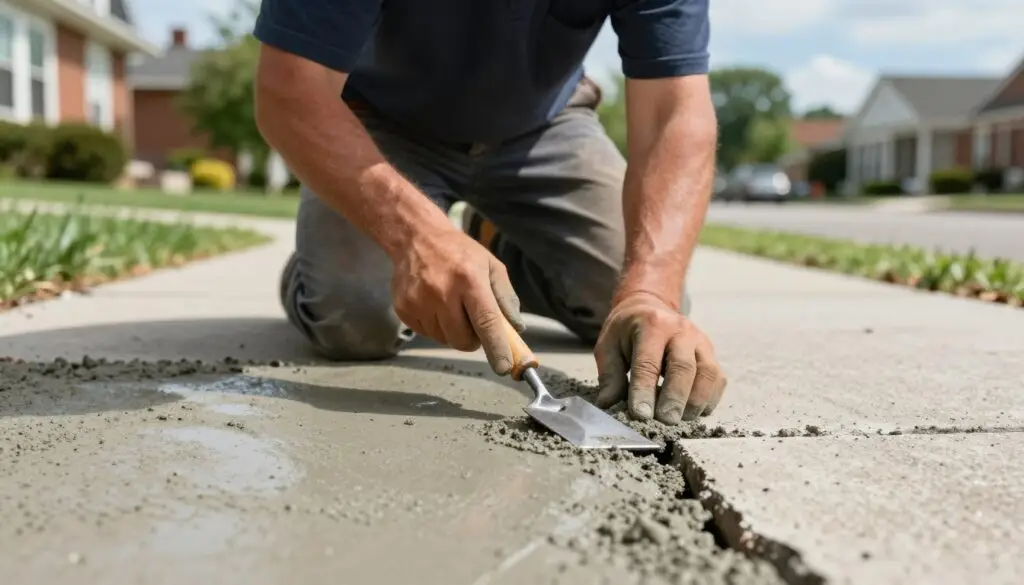
Preventive maintenance to extend your concrete driveway’s lifespan
A modest schedule of checks and cleaning keeps small flaws from growing. Anchored Construction recommends a practical cadence for Knoxville homeowners: seasonal inspections, light cleaning, and periodic sealing to keep driveways performing and looking good.
Routine inspections, cleaning, and sealing cadence
Walk the driveway each season and mark small defects so you can act before they spread. Clean with water and a soft brush or low-pressure sprayer to remove dirt and debris.
Reseal every few years based on wear and exposure. A quality sealer or compatible sealant reduces water penetration and slows damage over time.
Drainage, de-icer use, and seasonal care
- Keep gutters and grading moving water away from slab edges to protect base areas.
- Limit de-icer use; rinse residue to reduce chemical attack on the surface and aggregate.
- Address small areas promptly. Early fixes cost less and protect surrounding concrete.
- Choose simple routines that fit your time and budget so maintenance actually gets done.
Consistent upkeep extends the usable life of driveways and keeps appearance steady year-round. Small steps now prevent larger damage later and save money over the long run.
DIY or call a pro? How Anchored Construction can help Knoxville homeowners
Deciding between a weekend DIY and hiring pros comes down to damage scale and site risks. Small surface flaws suit a homeowner with basic tools. Complex movement, multiple sunken sections, or structural concerns need professional assessment.
When to hire: extensive cracking, settling/heaving, structural concerns
Call a pro if cracks run through several sections, panels have settled, or the slab shows heave. These conditions need leveling, subgrade fixes, and vetted materials to last.
Local expertise since 2000: Anchored Construction and Restoration
After more than 25 years, Anchored Construction brings practical experience to each project. Founded in 2000 and led by Travis Bullington, the team delivers predictable results for homeowners across East Tennessee.
Services for driveways and outdoors
- Concrete services and concrete driveway repair for small and large needs.
- Hardscapes, retaining walls, landscape, and deck building for integrated projects.
- Outdoor kitchen design, bobcat and excavation to correct subgrade and speed work.
Contact Anchored Construction
Schedule an on-site evaluation to define scope, select materials, and set expectations for driveway repair or replacement. The team coordinates crews to speed timelines and limit disruption to your home.
Call (865) 316-6933 or email Info@anchoredconstructiontn.com to discuss options and book service when weather and logistics align.
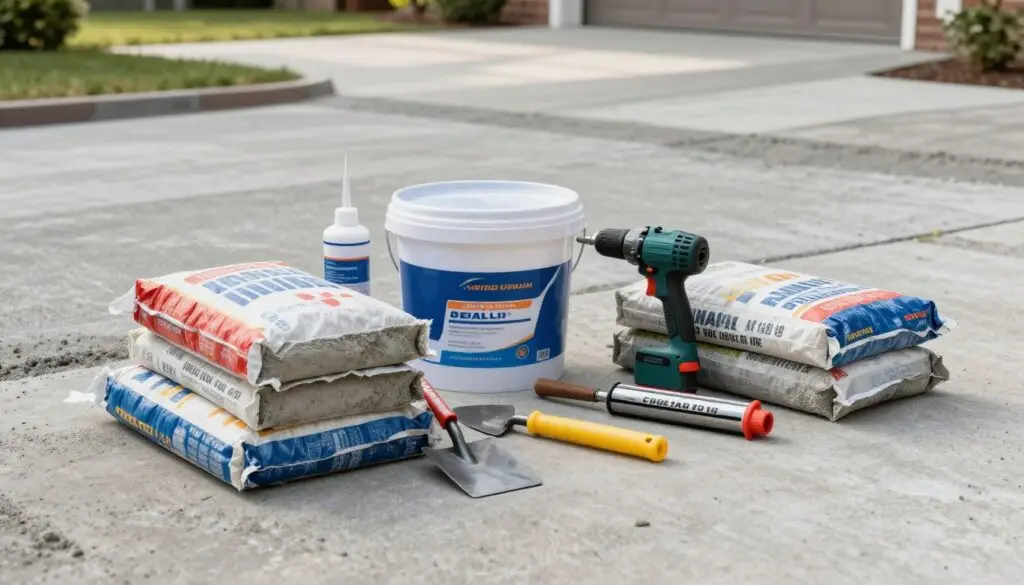
Conclusion
Wrap up with a clear plan that respects inspection, product choice, and timing.
A sound approach starts with a full check, thorough cleaning, and proper patching with the right compound. Respect cure time and finish with a compatible sealer or sealant to protect surfaces and extend life.
Small areas and a single crack often respond well to targeted patching. Larger projects or tight schedules benefit from professional concrete driveway repair or driveway repair services to secure better results and save time.
Anchored Construction & Restoration stands ready to help East Tennessee homeowners plan and execute these projects. Call (865) 316-6933 or email Info@anchoredconstructiontn.com to review options and next steps.