Are you sure a simple estimate will match the final bill for your slope project? This question matters because many homeowners expect one price and get another.
Anchored Construction & Restoration helps you close that gap with local insight and clear estimates.
The national average to install a typical retaining wall runs near $6,000, with most projects between $3,500 and $9,600.
Prices vary by material, height, site access, and labor. Labor often makes up half the total.
Anchored Construction brings 25+ years of Knoxville expertise to every job.
They provide accurate estimates tailored to East Tennessee soils, drainage needs, and neighborhood access.
Call (865) 316-6933 or email Info@anchoredconstructiontn.com to discuss your project in the area.
Key Takeaways
- National benchmarks help set expectations, but local site conditions change final pricing.
- Material choice and wall height drive the largest share of the installed price.
- Labor and access can shift budgets by 15%–30% in East Tennessee.
- Proper base, drainage, and excavation protect your investment for decades.
- Anchored Construction offers on-site estimates that reflect Knoxville soils and rules.
Buyer’s Guide Overview: What drives retaining wall costs today
Budgeting a slope project starts with a clear picture of intent and site needs. Anchored Construction & Restoration helps homeowners define goals for erosion control, reclaiming usable area, or boosting curb appeal.
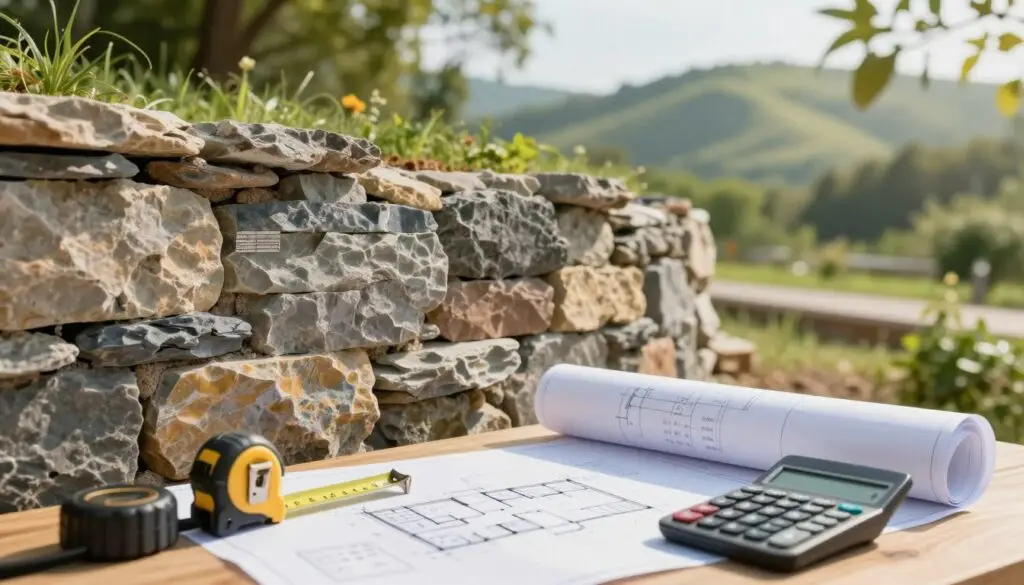
Pricing models matter. Pros often quote per square foot to show material and labor on the wall face. Typical ranges run $20–$53 per square foot installed, with an average near $33.
Linear-foot pricing is useful when height and reinforcement change structure requirements. Many crews also give a project cost for complex sites where base work and drainage add scope.
- Start with intent: erosion control, leveling space, or curb appeal shapes design and costs.
- Scope affects length, height, excavation, and base preparation.
- Labor often makes up 50%–60% of total; tough access raises time and price.
- Material options influence performance and look; select the type that fits soil and budget.
In East Tennessee, regional site factors shift estimates by 15%–30%. Anchored Construction provides on-site assessments and phased options to match your home goals with clear pricing.
Average retaining wall cost at present
Begin estimates with a national average, then refine numbers for your site’s access and height. Anchored Construction & Restoration uses clear allowances so Knoxville homeowners see where dollars land and which phases can wait.
National averages and typical price ranges
Expect a national average near $6,000–$6,300. Typical homeowner projects fall between about $3,500 and $9,600. Small, simple jobs can be close to $1,200. Complex builds may push past $12,000.
Per square foot and per linear foot benchmarks to start your budget
Installed pricing commonly runs $20–$53 per square foot, with an average around $33. Use face area (length × height) times your chosen per square foot rate for a quick sanity check.
- Set an initial budget near $6,000 and refine after a site visit clarifies length, height, and access.
- Linear-foot quotes rise with height because deeper base and more reinforcement are needed.
- Include allowances for base stone, backfill gravel, and drainage to protect the structure.
- Ask for an itemized proposal so labor, materials, and equipment are transparent.
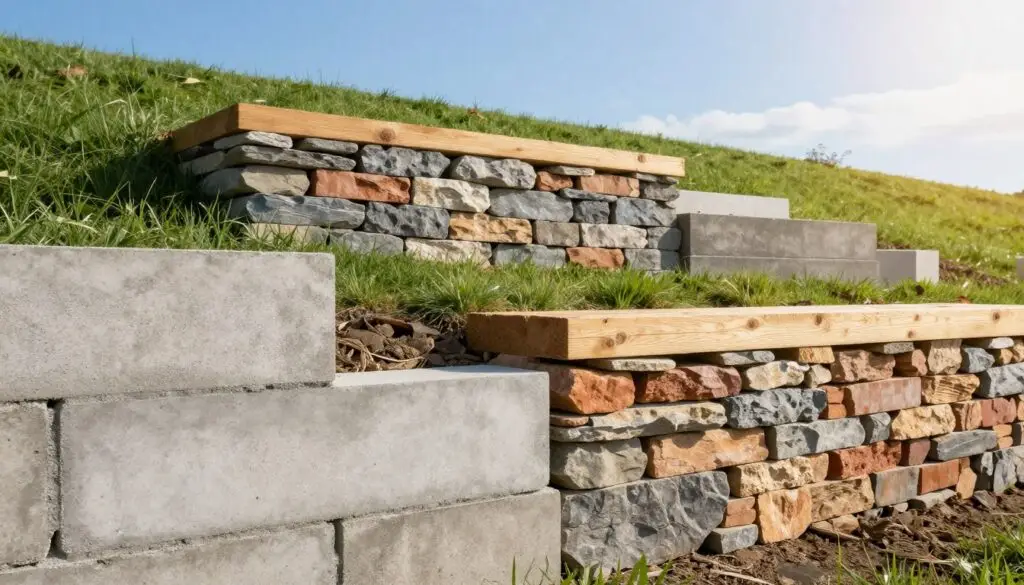
how much does retaining wall cost by material
Choosing the right material has the biggest effect on final pricing and long‑term performance. Anchored Construction & Restoration helps Knoxville homeowners weigh looks, lifespan, and budget when selecting materials.
Budget-friendly choices include vinyl, timber, and gabion baskets. Vinyl runs near $10–$15 per square foot installed. Timber and wood sit around $13–$35. Gabion systems vary widely, roughly $10–$55 per square foot depending on stone fill.
- Midrange: Interlocking concrete blocks and poured concrete balance price and strength. Blocks commonly range $15–$35 per square foot. Poured concrete usually falls between $20–$55 per square foot.
- Premium: Brick, natural stone, and veneers deliver high-end aesthetics. Stone and brick can run $15–$95 per square foot based on type and finish.
- Heavy‑duty: Steel, I‑beam, and Corten suit tall or load-bearing needs. Expect higher ranges, from about $35 up to $150 per square foot for some steel systems.
Compare per square foot ranges to match performance, appearance, and maintenance. Lifespans vary: vinyl ~50 years, wood 20–40 years, and stone or concrete often 40–100 years with proper drainage. Anchored Construction designs the base, backfill, and drainage to suit your chosen material and offers concrete services, hardscape installation, and excavation for a complete, warrantied build.
Cost by wall type and height
Selecting the proper wall type and final height changes materials, engineering, and labor needs. Anchored Construction & Restoration engineers each design to site loads and soil behavior. They coordinate excavation and base preparation with in-house equipment for tighter scheduling and quality control.
- Gravity: $10–$30 per square foot
- Anchored (tie-back): $10–$30 per square foot
- Cantilever: $25–$30 per square foot
- Counterfort: $15–$25 per square foot
- Sheet piling: $10–$50 per square foot
Linear-foot benchmarks by height
- About $40–$200 per linear foot at 2 feet.
- About $80–$300 per linear foot at 4 feet.
- About $150–$360 per linear foot at 6 feet.
Gravity systems use mass and setback. They suit lower heights and simple sites. Anchored systems add tie-backs into stable soil when space is tight.
Cantilever and counterfort designs rely on reinforced concrete and geometry to resist lateral loads. Sheet piling saves footprint and works near shorelines or tight lines. Each added foot raises lateral pressure, foundation depth, and reinforcement needs.
Moving from 2 feet to 4 feet often triggers geogrid, engineering review, and a heavier foundation. At 6 feet, expect formal design calculations, inspections, and material upgrades that increase both labor and materials.
Anchored Construction matches type to your soil, area footprint, and planned height so performance remains reliable as needs grow.
Site and location factors that change pricing
Location and access are the practical drivers that reshape a project’s final price. Small site differences change excavation, drainage, and foundation needs. Anchored Construction & Restoration assesses these on site to give a precise scope and schedule.
Placement and common area types
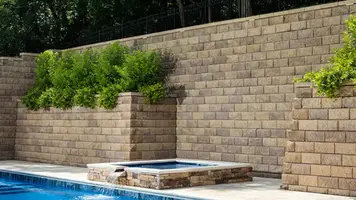
Where a wall sits affects equipment needs and reinforcement. Driveway and pool areas typically need deeper bases and careful ties to nearby structures. Shoreline and steep slopes require designs focused on erosion and water flow.
- Driveway: $35–$138 per linear foot.
- Backyard and landscape: $30–$255 per linear foot depending on slope and finish.
- Shoreline and pool edges: $20–$150 per linear foot with extra drainage measures.
Knoxville soil, drainage, and labor considerations
East Tennessee has mixed soils. Clay pockets often demand deeper foundation and reinforcement. Sandy areas drain better and can lower material needs.
Drainage is critical. Proper drains and waterproofing ($2–$10 per square foot) extend life and limit maintenance. Local labor costs and crew access also keep schedules tighter and pricing predictable.
Access, slope, and foundation depth
Tight gates, steep yards, and long material carries increase labor time and pricing. Excavation runs about $50–$200 per cubic yard; grading about $0.40–$2.00 per square foot.
- Foundation depth must meet frost and bearing requirements.
- Permits often apply for taller work (fees $40–$450).
- Anchored Construction brings bobcat and excavation services to streamline tough sites and control labor costs.
Preparation, drainage, waterproofing, and permits
Proper site preparation sets the stage for a durable retaining wall that lasts decades. Clearing, grading, and excavation form the base. Anchored Construction self-performs excavation and base work to control quality and labor.
Land clearing, grading, excavation, and base preparation
Leveling and grading create a stable foundation. Typical leveling runs $0.40–$2.00 per square foot and grading often starts near $500.
Excavation costs range $50–$200 per cubic yard. Base stone, geotextile, and proper compaction protect bearing capacity for blocks and concrete.
Drainage and waterproofing: the hidden essentials for longevity
Drainage relieves pressure behind walls. Perforated pipe, gravel backfill, and filter fabric are standard. Expect drainage and waterproofing at about $2–$10 per square foot.
Waterproofing extends service years and limits maintenance.
Reinforcements and permits: when engineers are required
Rebar and geogrid add shear and pullout resistance. Rebar installation usually runs $1.50–$2.50 per square foot. Engineers are needed for taller structures or poor soils.
- Permits commonly apply above 4 feet; fees range $40–$450.
- Anchored Construction manages submittals, inspections, and close-out for a smooth project.
DIY vs. professional installation: real labor costs and risks
Deciding between a DIY build and hiring pros starts with honest time and risk math. Small, low projects can fit a savvy homeowner. But base work, compaction, and drainage are not optional.
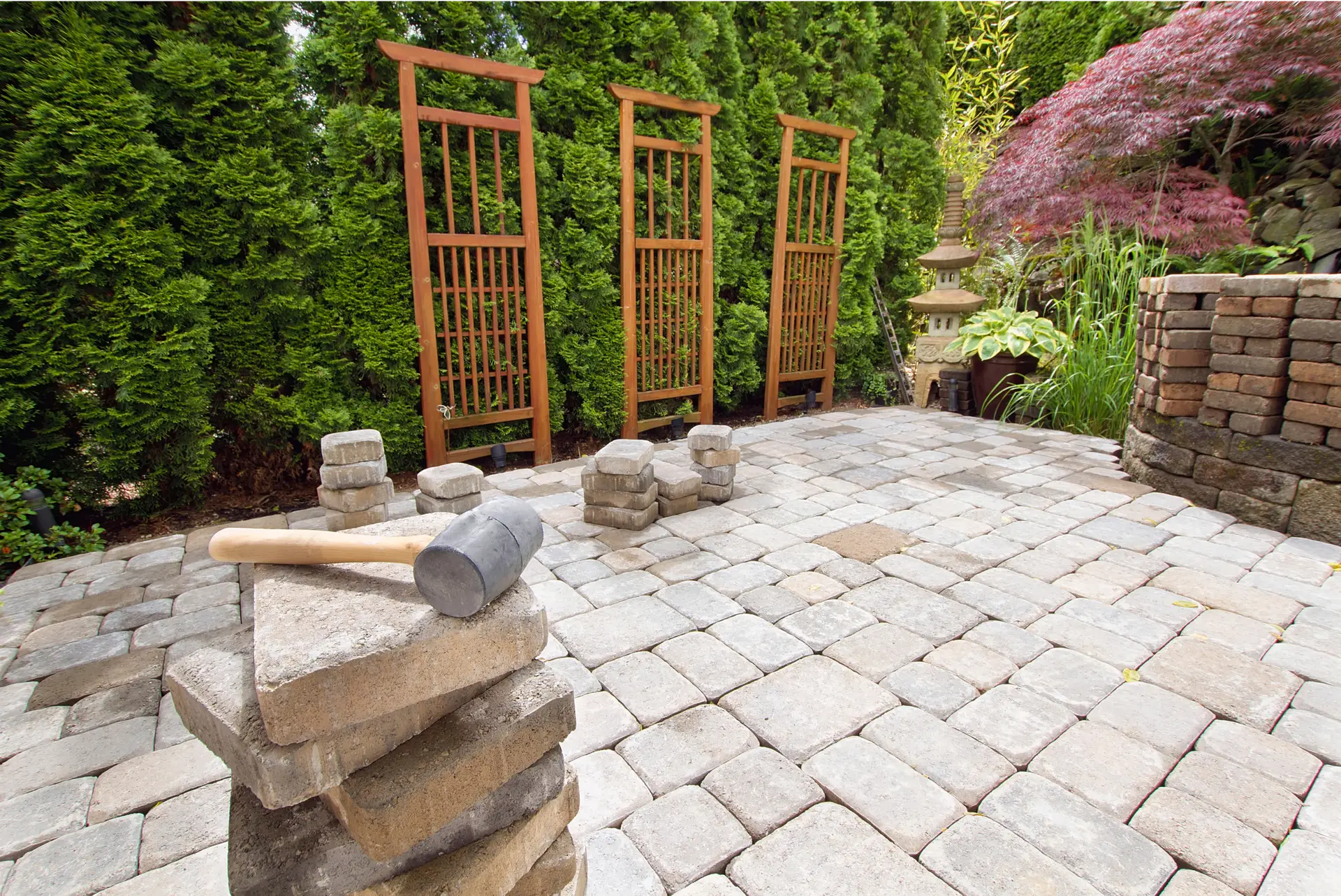
Materials for a DIY retaining wall run about $4–$20 per square foot. Typical tools include a level, tamper, shovel, mallet, and a rented circular saw. Expect equipment rental and delivery fees near $157. Plan extra time for moving blocks by hand and compacting base materials.
When to stop at 3–4 feet
Stop DIY at about 3–4 feet. Above that, engineers, geogrid, and permits usually apply. Mistakes at taller heights can lead to failure or expensive rework.
Professional labor benefits
Pro crews charge roughly $50–$75 per hour. Labor often makes up 50%–60% of a project. Professionals speed installation, reduce mistakes, and handle permits and inspections.
- Pros provide warranties, insurance, and structural assurance.
- Experienced crews bring in-house equipment to lower on-site risks and shorten schedules.
- Anchored Construction & Restoration offers clear labor breakdowns and warranty protection in Knoxville.
Evaluate true costs. Include your time, rental fees, and the risk of rework. For many homeowners, a pro’s predictable outcome and long-term performance are worth the premium. Call (865) 316-6933 or email Info@anchoredconstructiontn.com to discuss the right path for your wall.
Related services, add‑ons, and long‑term value
Pairing drainage and hardscape work creates a cohesive outdoor area with lasting value. Anchored Construction bundles services so homeowners get a single team for landscape and concrete needs.
Smart add‑ons protect performance. French drains (typical range $1,650–$12,250, average about $5,000) keep drainage away from structures. Sod replacement restores turf and limits erosion after construction.
Custom features that add use and curb appeal
- Lighting, steps, and planters improve safety and night use.
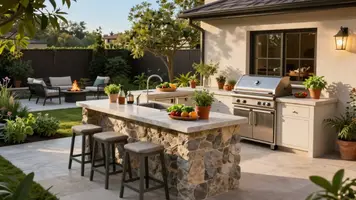
- Patios and outdoor kitchens expand living space and complement hardscape.
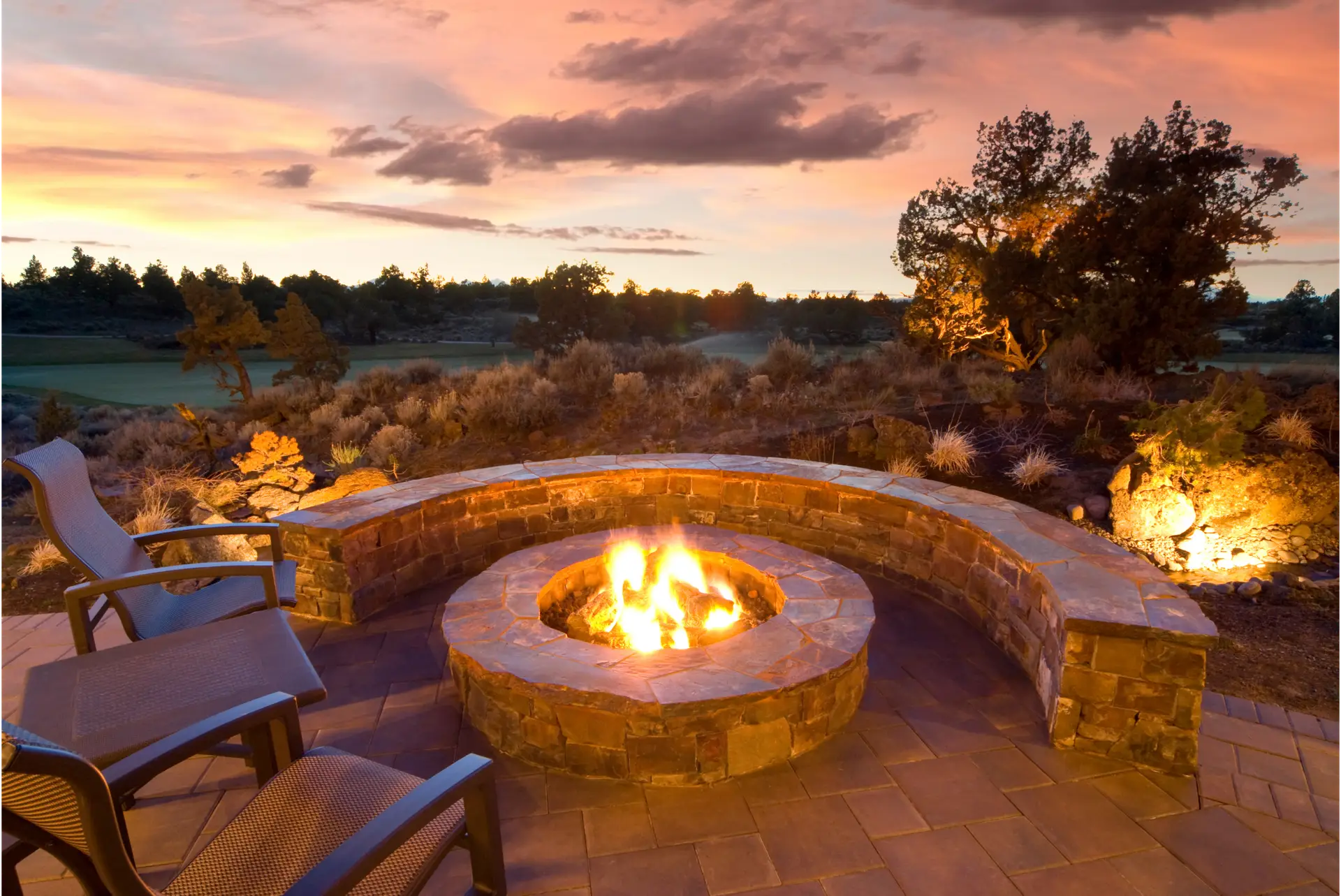
- Concrete touches, block accents, and material choices tie the area together.
Lifespan, upkeep, and return over the years
Well-built walls and related landscaping raise home value over time. Quality work can boost marketability by up to 15% when paired with strong curb appeal.
Maintenance is straightforward. Focus on drainage function, joint checks, and vegetation control. Anchored Construction manages bundled scopes to control project cost, schedule, and finish quality from one Knoxville location.
Conclusion
Local expertise and precise preparation turn complex site factors into predictable results.
Anchored Construction was founded in 2000 and is led by Knoxville native Travis Bullington. The team offers full-site integration: design, excavation, poured concrete, hardscape, and landscaping. Call (865) 316-6933 or email Info@anchoredconstructiontn.com to schedule an on-site estimate in East Tennessee.
Expect national averages near $20–$53 per square foot and typical projects around $6,000. Material choice and height drive final pricing. Base preparation, drainage, and permits matter for long-term performance.
Choose a clear scope, pick materials suited to your home, and let pros manage foundation, reinforcement, and installation. That approach saves time, limits rework, and protects your investment for years.