Curious what most homeowners in East Tennessee should expect from their driveway? This guide cuts through the guesswork. Anchored Construction & Restoration, serving Knoxville since 2000, shares clear facts and local insight.
When installed well and cared for, a solid driveway can be a true investment in your home. Documented lifespans range from about 20 to 50 years. Climate, original workmanship, and routine care steer that range.
Simple steps — regular cleaning, penetrating sealers, and early crack caulking — limit moisture damage and add years of useful life. Avoid parking heavy equipment on residential slabs to prevent crushing and premature cracking.
Anchored Construction brings over 25 years of local experience under Travis Bullington’s leadership. Their guidance focuses on Knoxville realities like freeze-thaw cycles in valley and ridge areas. You’ll find when to patch and when a larger project makes sense.
Key Takeaways
- Lifespan varies: typical range is 20–50 years depending on conditions.
- Maintenance matters: cleaning, sealing, and crack repair extend service life.
- Local factors: Knoxville freeze-thaw cycles affect durability.
- Use limits: avoid heavy equipment on residential slabs.
- Expert help: contact Anchored Construction at (865) 316-6933 or Info@anchoredconstructiontn.com for guidance.
Concrete driveway lifespan at a glance in the United States today
Homeowners can plan around an expected service range when workmanship and care match standards. Properly maintained concrete driveways commonly provide between 20 and 30 years of reliable service.
In regions with milder weather and less moisture stress, many slabs exceed 30 years. Colder, wetter climates push expected service nearer 20 years because freeze-thaw cycles let water work inside the surface and drive small problems into larger ones.
- Typical span: 20–30 years under normal use and basic maintenance.
- Best case: 30+ years when installation, materials, and subgrade prep are strong.
- Key threats: water, moisture cycles, and untreated cracks that invite damage.
Anchored Construction & Restoration helps set expectations and outlines simple steps to extend service years. Call (865) 316-6933 for a quick assessment before you start planning.
How long does a concrete driveway last
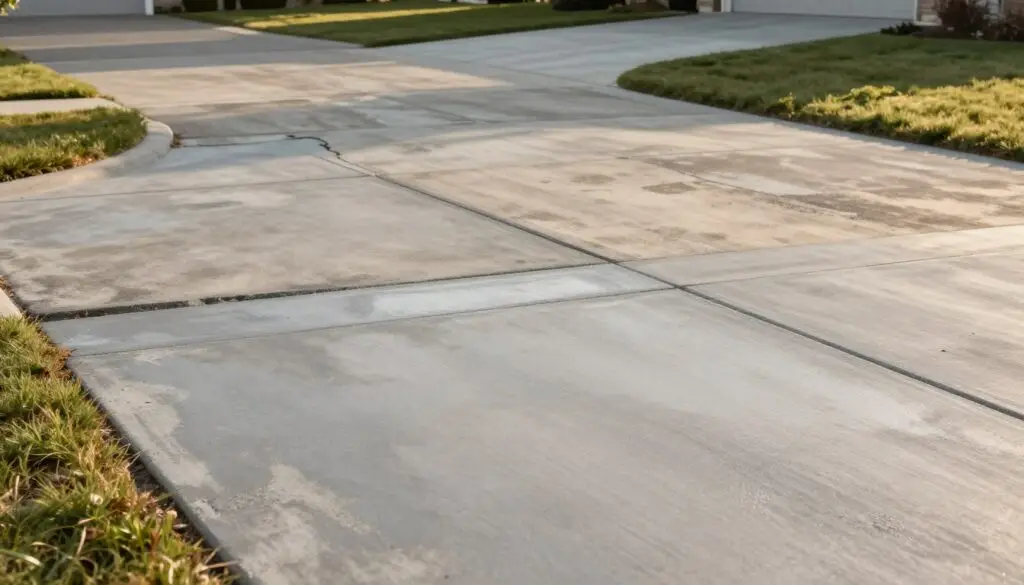
Most homeowners see steady wear, then a clearer need for repair as years pass. Documented ranges run from 20 to 50 years when mix, thickness, joints, and care align.
In typical residential settings, expect about 25 to 30 years with routine upkeep and light traffic. The upper range happens when design, base prep, and drainage are correct.
- Common span: mid-20s with basic maintenance.
- High end: 40–50 years when materials and water control are excellent.
- Low end: under 20 years when moisture pools, the slab is thin, or heavy loads cause damage.
Freeze-thaw cycles, UV exposure, and standing water speed wear. Small cracks invite water and accelerate cracking if not sealed. Anchored Construction & Restoration helps you weigh expectations against property conditions and builds a tailored plan for installation and care.
Key factors that make concrete driveways last longer or fail sooner
East Tennessee weather and site choices shape whether a driveway ages gracefully or needs repair sooner. The main factors include climate exposure, installation quality, drainage, traffic, and root or subgrade issues. Anchored Construction & Restoration plans for these realities when designing solutions for Knoxville properties.
Climate realities: moisture, UV, and freeze-thaw cycles
Moisture from heavy rain, hot sun, and freeze-thaw cycles forces water into the surface and stresses the slab. Repeated cycles open tiny pathways for erosion and cracking.
Quality installation and materials
Proper mix ratios, adequate slab thickness, compacted foundation, and well-placed control joints improve durability. Quality installation reduces early-age cracking and surface wear.
Drainage and site moisture control
Good drainage routes runoff away from edges and prevents erosion or voids under the slab. Anchored Construction coordinates base prep and excavation when deeper foundation correction is needed.
Traffic loads, roots, and subgrade damage
Residential slabs are not built for heavy vehicles; repeated loads cause surface damage and fractures. Tree roots and burrowing pests undermine soils and lift or settle sections, creating trip hazards.
- Site-specific design pairs drainage, root management, and installation for a long concrete solution.
- Control joints guide minor cracking to keep slabs neat and stable.
- Correct foundation prep spreads loads and reduces settlement risks.
How to maintain a concrete driveway for decades of use
Routine attention prevents small faults from becoming expensive problems. Start with a simple plan and follow it each year. Regular maintenance preserves structure and curb appeal.
Clean and seal on a predictable schedule
Wash away grit and leaves so the surface dries quickly after storms. Apply a high-quality penetrating sealer every few years to block moisture, UV, and stains.
Seal cracks and joints early
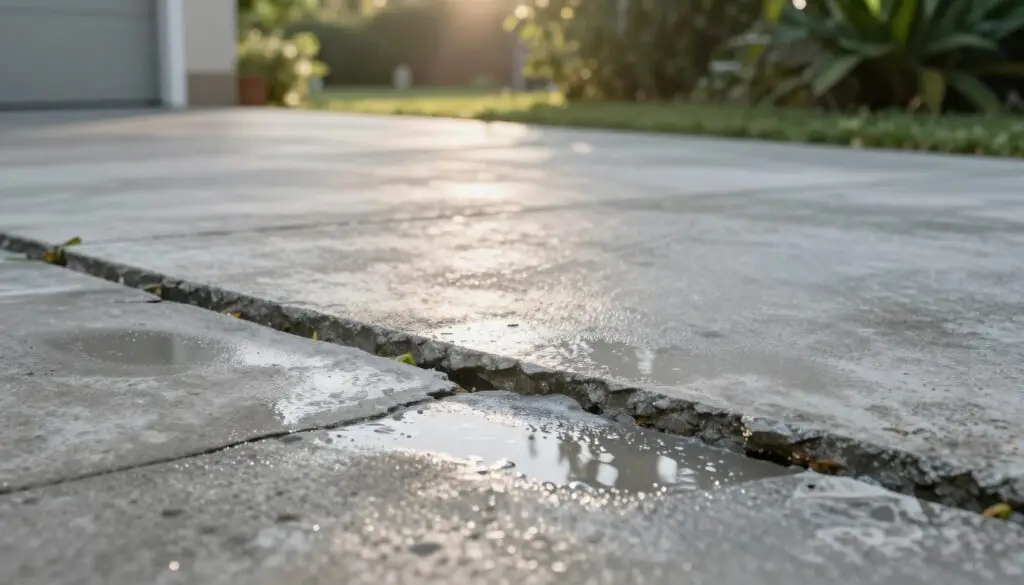
Caulk small cracks and joints before water gets under the slab. Keeping water out prevents subgrade erosion and limits future movement.
Winter care and drainage fixes
Shovel promptly and skip deicing salts to avoid scaling and surface damage. Re-route downspouts and improve site drainage to stop edge erosion and voids.
- Level settled slabs before cracks spread and trap moisture.
- Address roots and subgrade issues with excavation or bobcat work.
- Schedule timely repairs to preserve a long concrete driveway and avoid bigger projects.
Anchored Construction & Restoration offers sealing, crack repair, drainage improvements, and excavation to correct grades. Call (865) 316-6933 to schedule maintenance that protects your investment.
Repair or replace? Make the right call for your home and budget
Deciding whether to fix problem areas or start fresh depends on visible signs and the slab’s underlying condition. Anchored Construction evaluates structural issues and offers clear options that protect your investment.
Cracks and surface wear
Hairline cracks and tight joints are good candidates for sealing and minor repairs. Thin cracking under 1/8 inch rarely signals foundation failure.
Wider cracks or active movement often mean deeper slab issues. In those cases, replacement may save money over repeated patching.
Spalling, sinking, and drainage
Extensive surface spalling from salts or freeze-thaw cycles usually needs full replacement. Resurfacing fails when the base or finish quality is poor.
Sunk sections can be lifted with slabjacking when settlement is moderate. Severe settling or chronic standing water often requires re-sloping during replacement.
- Cost: new pours commonly range $5–$18 per square foot.
- Partial replacement can fix local damage but color matching is unpredictable.
- Vehicles that exceed design loads accelerate damage; avoid repeated heavy loads.
Anchored Construction recommends weighing years of service, curb appeal, and long-term value when choosing repairs or replacement.
Knoxville-specific guidance from Anchored Construction & Restoration
Anchored Construction designs each project around Knoxville soil and storm patterns to reduce future repairs. Founded in 2000 and led by Travis Bullington, the team pairs local knowledge with clear plans.
Local expertise since 2000
Over 25 years of regional experience informs slab thickness, joint layout, and material choices. Staff evaluate clay pockets, seasonal shifts, shade, and roots before any proposal.
Services that protect your investment
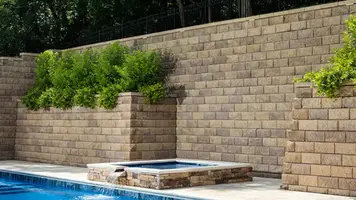
Services include new pours, crack sealing, sealing maintenance, leveling, and targeted repairs. Hardscapes and retaining walls integrate drainage with the driveway edge for stable results.
- Designs consider rainfall bursts, heat, and winter swings that stress materials.
- Bobcat and excavation support correct soft spots and set positive slopes for drainage.
- Clear scopes, timelines, and budgets come from decades of local project work.
For professional installation, maintenance, or repairs, call (865) 316-6933 or email Info@anchoredconstructiontn.com for a site visit and written recommendation.
Conclusion
Good workmanship plus timely upkeep keeps surfaces strong and reduces costly surprises down the road.
With regular maintenance and proper sealing, a well-built slab can deliver many years of service while keeping curb appeal and lowering ongoing cost. Prompt repairs for cracks stop water from undermining the base and extend useful life.
If damage, age, or poor drainage add up, replacement often proves the most durable option. Replacement corrects slope, thickness, and subgrade problems that repairs cannot fix reliably.
Anchored Construction & Restoration is ready to plan, build, and maintain concrete projects across East Tennessee. For expert advice and a straightforward estimate, call (865) 316-6933 or email Info@anchoredconstructiontn.com.