Concrete Footer Midway TN
Installation & Repair by Anchored Construction
Have you ever thought about what keeps a deck, patio, home, garage, warehouse, or office building secure and level through severe rain and freezing winter conditions?
This easy-to-follow guide for homeowners explains Concrete Footer Midway TN and footing work in straightforward job-site language. It explains what a concrete footer does for a foundation and how workers decide on the right size and materials on site.
Since 2000, Anchored Construction & Restoration has worked in Midway and East Tennessee under Travis Bullington. The team handles decks, patios, retaining walls, and more. They rely on proven products and materials chosen for each specific application.
The guide also points out common signs that footings may be failing and explains how contractors decide between repair and full replacement. If your project is meant to support a building or substantial weight, careful planning protects its long-term value.
Call (865) 316-6933 or email Info@anchoredconstructiontn.com today for a quote or inspection. Clear communication is part of the service homeowners expect.
Key Takeaways
- Learn what footings do and why they are important for your foundation.
- See how crews determine sizing and materials in the field.
- Understand which warning signs often show that concrete footer issues are present.
- Know when repair is the right option and when replacement becomes necessary.
- Anchored Construction provides local experience and dependable products.
- Get in touch with Anchored Construction today for a professional inspection or a quote for your Concrete Footer Midway TN project

Anchored Construction: Your Concrete Footer Midway TN builder
If you’re hiring a concrete footer Midway TN builder, you want a team with real experience and strong local insight. Anchored Construction, led by Travis Bullington (a Knoxville native and University of Tennessee graduate), combines professional knowledge with hometown pride on every project. Our understanding of East Tennessee building requirements, weather considerations, and architectural styles helps ensure your concrete footer is built right the first time, without avoidable surprises. That same background drives a practical, safety-focused approach at every site.
For a straightforward process and transparent pricing, call (865) 316-6933 or email info@anchoredconstructiontn.com to request your free quote today.
Deep Community Roots
Local Expertise That Makes a Difference
As people who have lived in Knoxville our whole lives, we understand what makes building in East Tennessee different. We can help you navigate local code requirements and choose materials that stand up to our climate, so our local knowledge supports a smoother build and better outcomes for you.
The process is designed to avoid unexpected issues. Homeowners get clear quotes, reasonable time expectations, and proactive communication from a consistent team that stays with the project.
Knowledge of soils, codes, and neighborhood expectations.
Permit coordination, material selection, and clear milestone scheduling.
Spec verification, punch list completion, and warranty handoff at closeout.
We plan project milestones from the start so the work stays efficient and disruption stays low.
You can expect clear choices, easy-to-read material specs, and accurate budget ranges, which helps prevent surprises down the road.
Share
More Posts

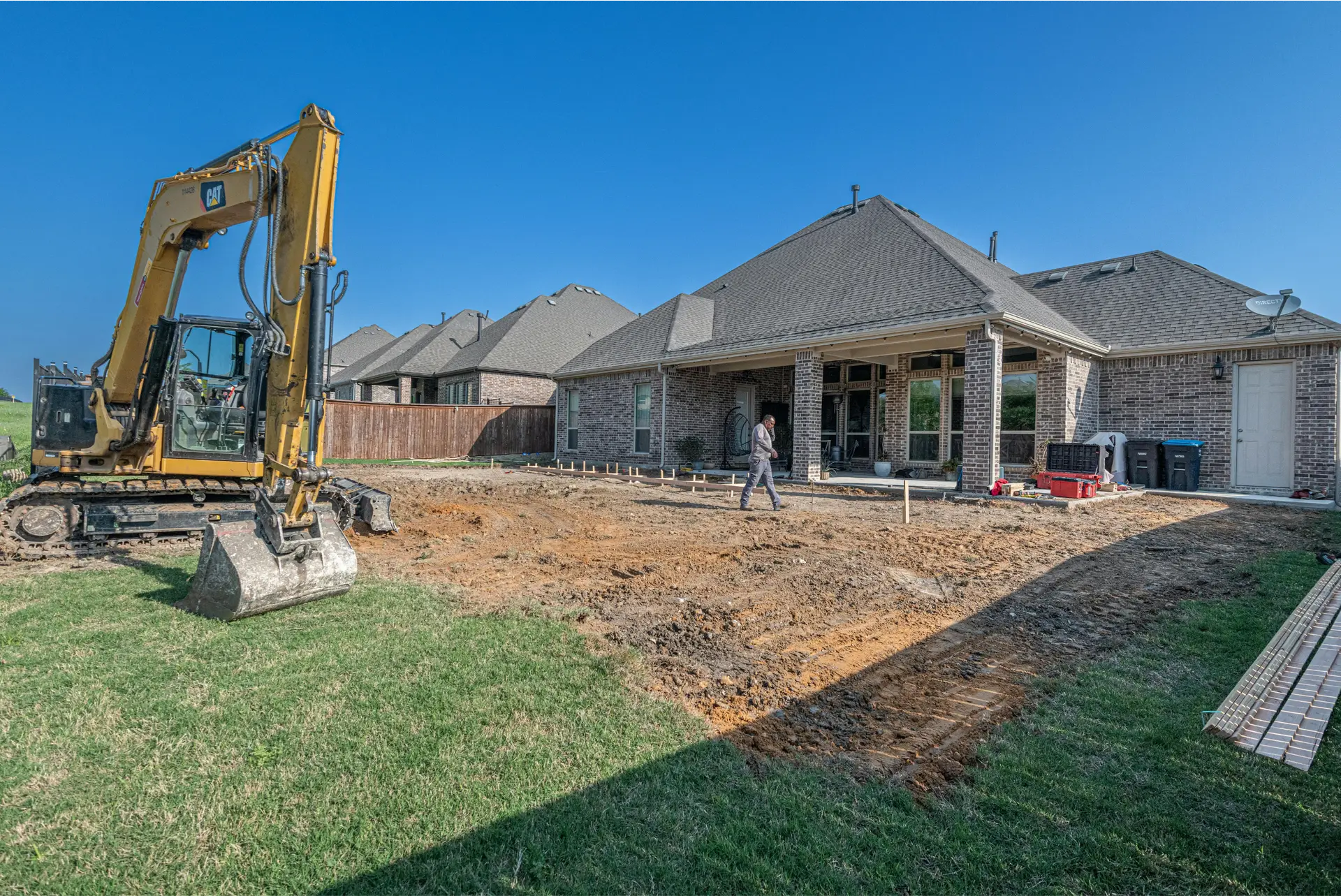
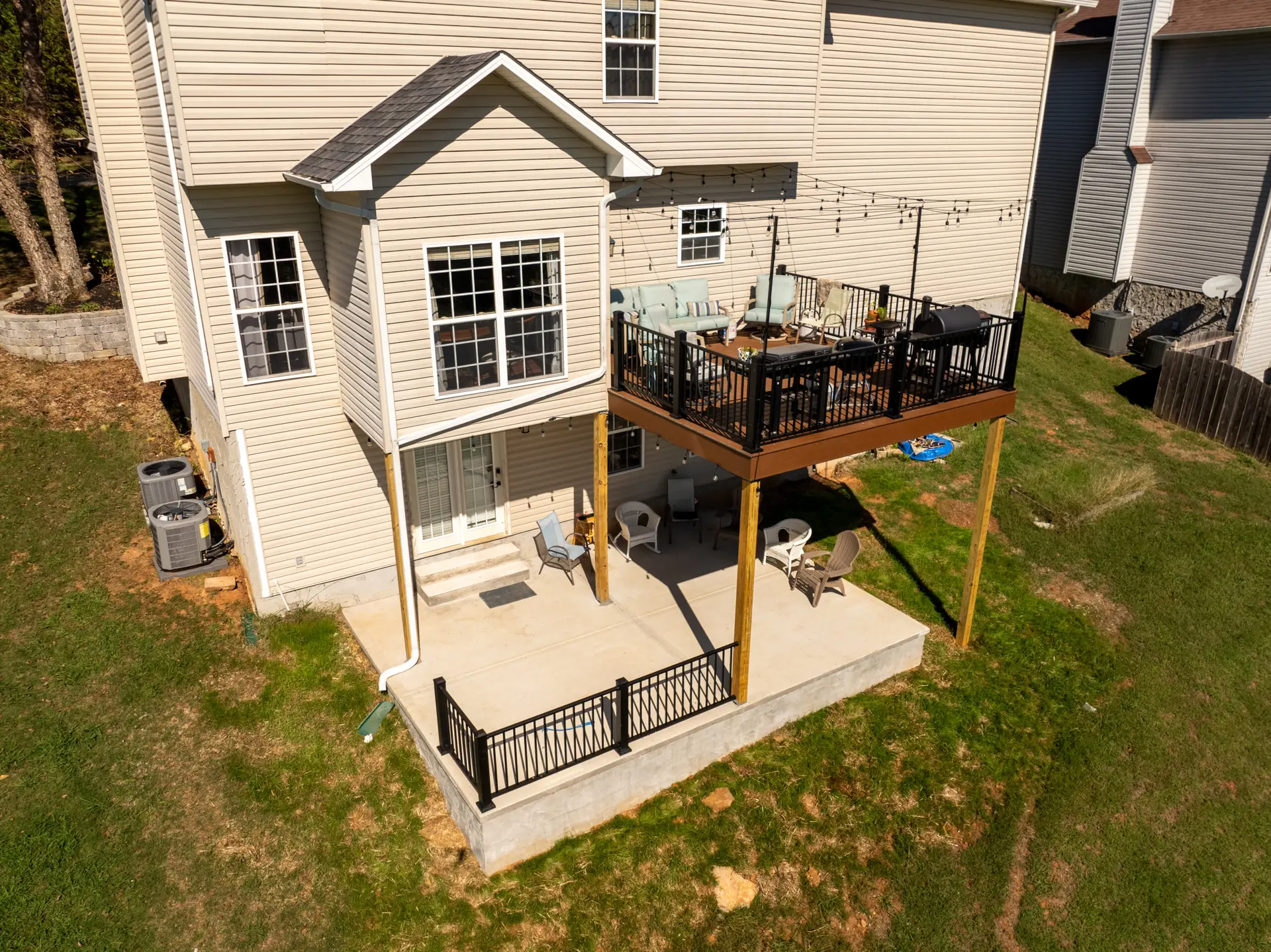
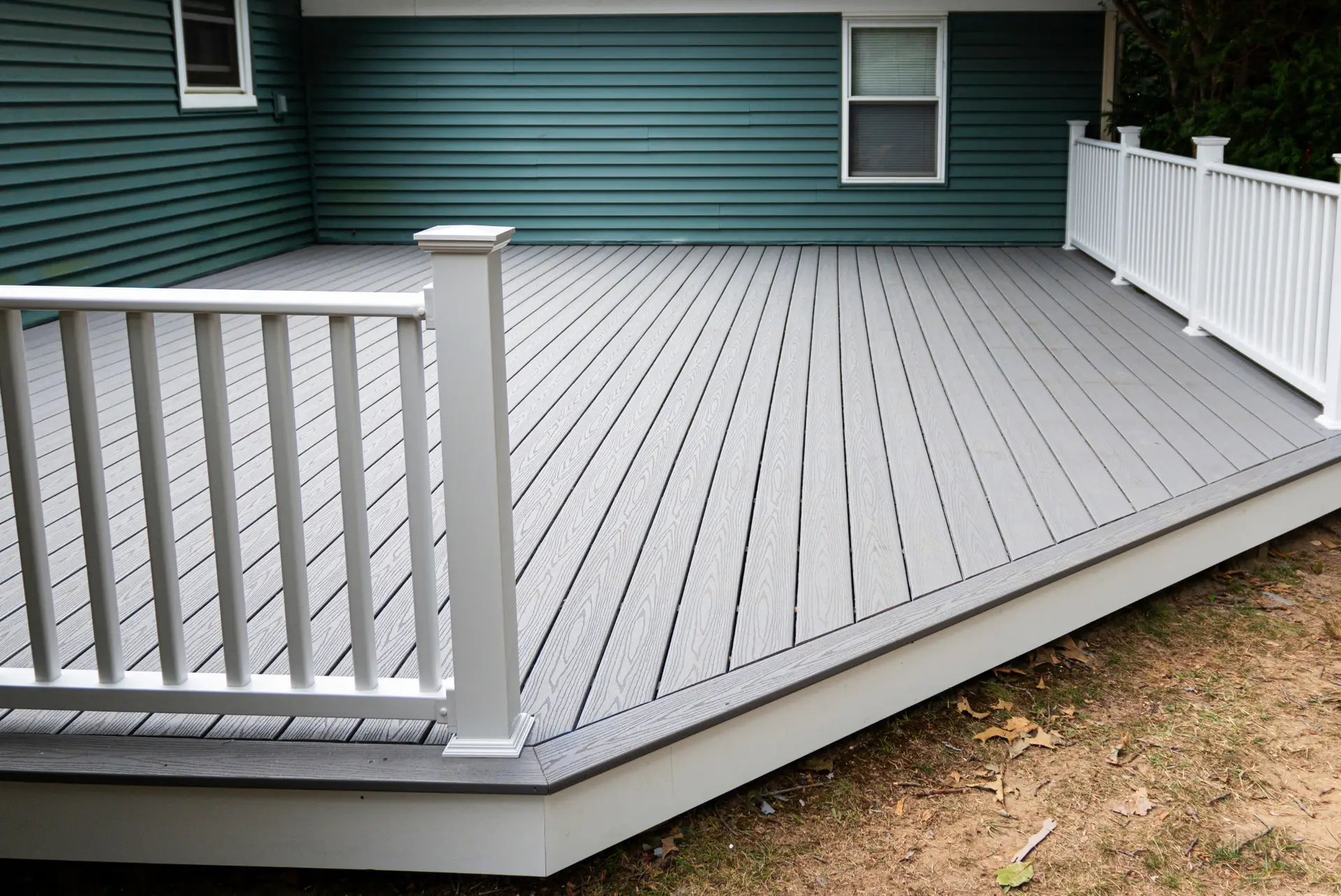
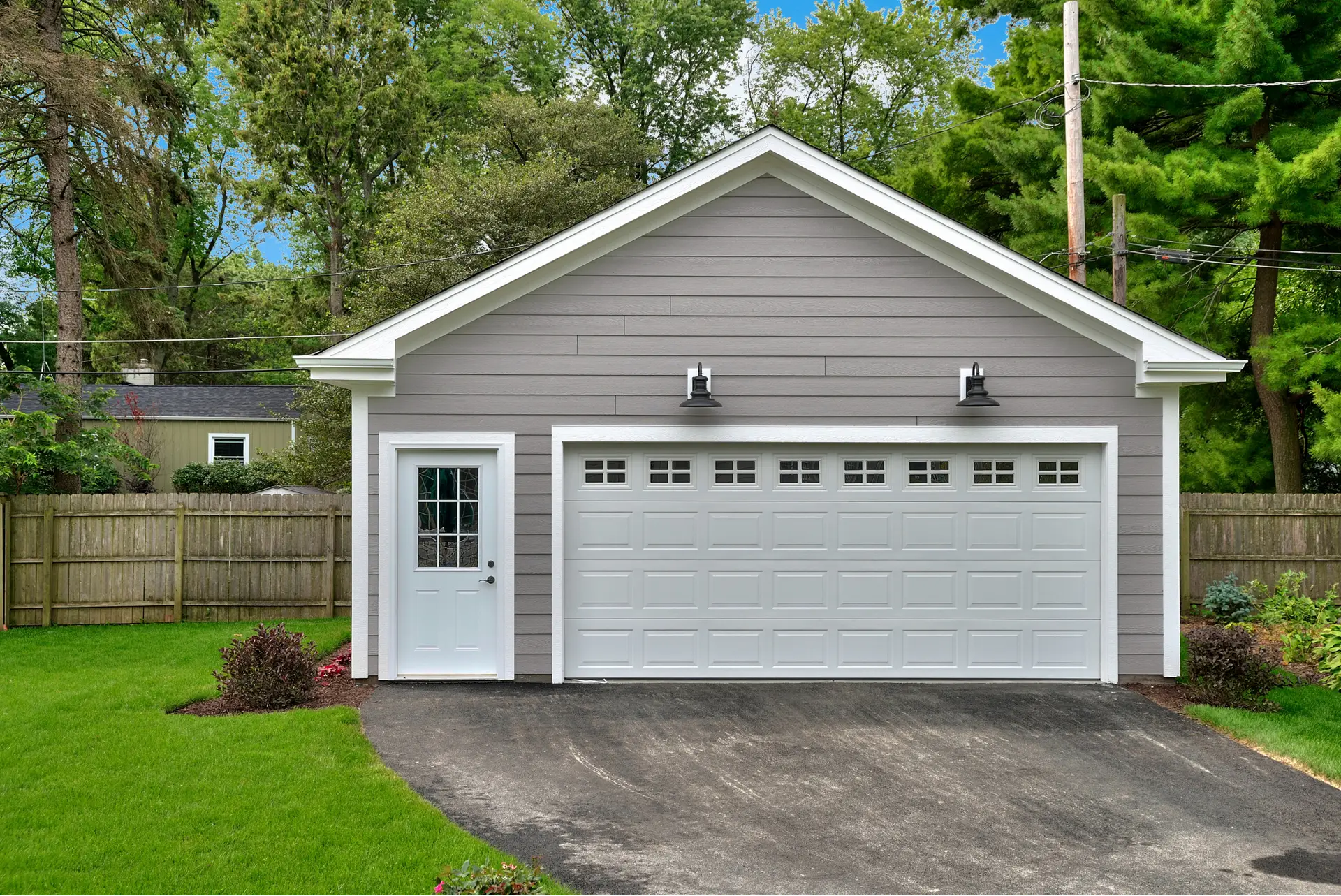
Local & Reliable
Reach out to us today to book your free consultation and take the first step toward your custom concrete footer.
Ready to Start Your
Concrete Footer Midway TN Project?
What a Concrete Footer Is and Why It Matters for Your Foundation
A properly sized concrete base spreads a building's weight so posts and walls stay stable over time.
In practical terms, a footing is a widened pad of concrete placed under a post or wall. It increases the bearing area so the foundation is less likely to settle unevenly.
On construction sites, builders often use the terms "concrete footer" and concrete footing interchangeably. Homeowners may hear either one when talking about the same part of the foundation system.
How Concrete Footers direct structural weight into the ground
The load moves from the structure down to the footing and then into the soil below. The purpose is to spread the weight across a large enough area so the soil can safely support the structure without movement, cracking, or uneven settling over time.
Even smaller structures can create concentrated weight at the posts. A deck, porch, pergola, or pole-barn post still needs a stable bearing surface so it does not tilt, crack, or fail completely.
Durability and strength matter: a Concrete Footer Midway TN resist weather and reduce long-term movement. How big a footing should be depends on soil, load, and local code—not guesswork. The next section explains sizing basics.
Concrete Footer Sizing Basics: Soil Conditions, Structural Loads, and Frost-Line Depth
The soil under a building affects the required width and depth of a footing. Homeowners should understand soil bearing capacity as the amount of weight the ground is able to support safely. When the soil is weaker, a wider base is needed to spread the load over more area.
How to Install Concrete Footings the Correct Way
Quality footing work starts before the truck ever pulls in — with careful layout and detailed site prep. Begin with safety in mind. Cement-based products are caustic, so make sure to wear eye protection and waterproof gloves and keep clean water nearby at all times.
Safety and materials preparation checklist
Check local codes for minimum diameter and minimum depth. Footings usually must extend below the frost line to resist freeze-thaw movement.
Excavation and base
Mark post or wall locations and excavate to the required depth based on local code and frost line. A Concrete Footer Midway TN is typically installed on virgin (undisturbed) soil to ensure proper bearing capacity and long-term stability. In engineered situations, additional base preparation may be specified, but most structural footings rely on firm, native soil conditions.
Forms, pouring, and finishing
Measure and trim the tube form, like Sonotube®, to the required hole depth, then position it with the uncut end facing up. Fill the form halfway before consolidating the concrete with rebar or a shovel to remove any voids. After that, continue filling, overfill it slightly, level off the top surface, and set the hardware in place so the anchors align properly with the building line.
Cure time and load timing
Let the concrete cure for about 48 hours before adding heavy weight, and about 24 hours before placing lighter loads on it.
For standard mixes, allow about 3 days to pass before continuing with construction.
Allowing a longer cure improves the concrete’s final strength and helps reduce surface cracking.
Concrete Footer Repair: Identifying Problems and Selecting the Best Fix
When a structure shows tilt or new cracks, the source of the problem is often below grade. Noticing these symptoms early helps homeowners prevent bigger repairs later on.
What usually causes failure
Settling usually begins when the soil under a pad was not compacted well enough. Water movement and poor grading can create shifting. Freeze–thaw cycles lift shallow bases, and repeated movement gradually weakens the support below.

Owner-visible signs
New cracks appearing near posts or where the structure meets the home.
Doors and gates that do not line up or fit squarely anymore.
Uneven deck surfaces or noticeable gaps at the foundation wall.
Repair options and prevention
Not all cracks mean serious repair work is needed. Hairline shrinkage happens often. But widening cracks or visible offsets usually point to soil or load issues underneath.
Solutions may involve stabilization, underpinning, increasing the bearing area, or replacing damaged sections. Correcting drainage and adjusting the grading is critical when runoff has eroded the support soil.
Anchored Construction & Restoration evaluates loads and site conditions, then recommends a long-term solution. That way contractors repair the cause, not just the surface symptom.
Local & Reliable

We help you build solid foundations with concrete footers that are properly designed and correctly installed.
Design & Build StrongConcrete Footers in Midway TN
Why So Many Homeowners Choose Anchored Construction
Building a well-made outdoor space takes clear communication and reliable local experience. Anchored Construction is backed by East Tennessee roots and decades of field work led by founder Travis Bullington.
Deep Knoxville roots, true craftsmanship, and a lasting passion for East Tennessee living
Local expertise influences the material selection and installation methods needed to perform well through seasonal weather. The company selects concrete pavers, clay brick, and natural stone, including flagstone, so each project fits the home’s exterior.
Experienced team for patios, walkways, driveways, and poolside living spaces
The team pays close attention to clean lines, tight joints, and smooth transitions, helping prevent unexpected issues on flat yards, sloped areas, and tight-access sites.
“We believe in the strength of our local economy. When Midway´s businesses support each other, we all benefit—especially our customers, who receive better service and value.”
— Travis Bullington, Owner
Read Our Local Reviews
The results we create and the comments from our customers tell the story clearly. See what they have to say about working with us:
Reach Out to Us
We would be happy to go over your Concrete Footer Midway TN project and answer any questions you have about our services, materials, or the installation process.
In Summary
Minor mistakes beneath the ground can lead to costly problems up above.
A properly planned Concrete Footer Midway TN protects your foundation by matching design to soil, load, and frost-depth realities. Correct installation and timely repair reduce long-term risk and help protect your home’s value.
Do not guess on sizing or placement when a building’s weight is involved. Minor errors below grade often lead to expensive fixes later.
If you want confidence in the next step, schedule an on-site evaluation or quote with Anchored Construction & Restoration. For installation help, repairs, or an on-site visit in Knoxville and East Tennessee, call (865) 316-6933 or email Info@anchoredconstructiontn.com today.
Led by Knoxville native Travis Bullington, Anchored Construction brings decades of experience and a “do it right” mindset to projects that include deck building, concrete services, landscape and hardscape work, retaining walls, outdoor kitchen design and construction, and more.
Common Frequently Asked Questions
What is a concrete footer, and why is it important for my foundation?
A concrete footer is the load-bearing base designed to spread the weight of a structure into the soil. Properly sized footings help stop uneven settling and reduce the risk of structural damage. Anchored Construction & Restoration explains that a well-built footer protects walls, slabs, and posts by creating stable support that matches local soil and load conditions in East Tennessee.
Are the terms footer and footing used to mean the same thing?
Contractors often use the two terms interchangeably. Both describe the concrete base that sits beneath foundations and columns. In practice, “footing” may refer to standard strip or isolated bases, while “footer” is the more familiar homeowner term. Anchored Construction & Restoration uses simple language that lines up with what contractors use in the field.
How do footings move structural loads into the soil?
Footings expand the contact area between the structure and the ground so the soil can bear the load without being pushed past its capacity. When the width and depth are correct, the weight is distributed evenly and pressure is reduced at any one spot. This helps stop settlement, keeps walls plumb, and maintains long-term strength.
Which types of structures rely on footings?
Many parts of residential and light commercial construction use footings, such as home foundations, porch and deck supports, garage slabs, column bases, and pole barn posts. A proper Concrete Footer Midway TN matters for any load-bearing element that connects directly to the ground.
How does soil bearing capacity affect footing sizing?
Soil bearing capacity helps determine the amount of surface area a footing needs to perform safely. Weak or loose soils often call for wider and sometimes deeper bases to spread the load across more area. A site evaluation or geotechnical report helps determine the right sizing. Anchored Construction & Restoration assesses soils in Midway to recommend safe dimensions.
What are common code-based ranges for footing width and thickness?
Building codes differ by location, but common residential minimums often set footing widths from 12 to 24 inches depending on soil and structural load, with strip footing thicknesses commonly falling between 8 and 12 inches. Local code requirements and engineering guidance can change these measurements. Contractors check the exact requirements before work starts.
Why do concrete footings need to go below the frost line?
Frost heave can lift shallow foundations during freeze-thaw cycles. Placing footings below the frost line prevents seasonal movement. Frost depth varies across regions; in the Knoxville area, contractors follow local code and climate data to set safe depths.
When is it a good idea to involve an engineer or contractor?
An engineer or experienced contractor should be involved when there are unusual loads, sloped ground, poor soil, or plans that exceed standard residential dimensions. More complex situations — such as heavy equipment pads, multi-story additions, or structures on fill — need structural input to design safe footings.
What prep and materials are needed to safely install footings?
Before installing footings, prepare the site by locating utilities, establishing a stable work area, and gathering materials including ready-mix cement-based products, rebar or reinforcement, forms, and hardware. Personal protective equipment and shoring for excavations are both essential for safe work.
In what way do local building codes influence minimum diameter and depth?
Codes set baseline requirements for concrete footer dimensions, reinforcement, and frost protection. They reflect regional soil and climate conditions. Contractors secure permits and follow code specifics for diameter, depth, and reinforcement before pouring.
How should excavation and layout be handled the right way?
Mark lines and dig holes or trenches deeper than the planned footing to reach undisturbed soil. Remove soft material, verify elevations with a level or laser, and slope sidewalls for stability. Proper layout ensures the footing sits on a solid base and aligns with the structure above.
What are tube forms and how are they used?
Tube forms, or Sonotube®, are cylindrical molds for round piers and posts. Measure and cut the tubes, place them plumb on the compacted base, and brace as needed. Correct placement ensures consistent diameter and vertical alignment for the poured mix. Forms can also be built using lumber for more complex or unique footer requirements.
How should the mix be poured and properly consolidated?
Fill forms steadily, avoiding large drops that cause segregation. Use vibration or tapping to consolidate material and remove voids. Proper consolidation increases strength and reduces honeycombing that can weaken the footing.
What finishing and hardware work comes after the surface is leveled?
Bring the top to the correct elevation, trowel it smooth where needed, and set anchor bolts or embedded hardware immediately while the mix remains workable. Accurate placement ensures strong and secure connections for the structure above.
How long should a footing cure before weight is placed on it?
The amount of curing time depends on the mix and weather conditions, but it commonly falls between 24 and 72 hours for light loads and can extend up to 7 days for construction activity. Full strength is typically reached over 28 days. Contractors follow manufacturer guidance and engineering specs before continuing with additional work.
What are the common causes of concrete footer failure?
Failure can happen because of weak soils, inadequate depth, undersized footings, erosion, poor drainage, freeze-thaw damage, and improper compaction or mixing. Pinpointing the root cause helps guide the correct repair approach.
What kinds of repairs can be used for cracks, movement, or undermined footings?
Possible repairs include epoxy or polyurethane injection, small-area patching, underpinning, installing wider footings, or helical piers for added stabilization. The proper method depends on the level of damage, the soil conditions, and the importance of the structure. Anchored Construction & Restoration evaluates each situation and recommends durable fixes.
How do you prevent the same footing issues from coming back?
To help prevent repeat issues, improve site drainage, extend downspouts, maintain proper grading away from the structure, use enough depth below frost, and ensure the load is spread correctly. Routine inspections and timely repairs help reduce the chance of the same problems happening again.
Things we are great at…
After over 25 years in business, we’ve learned a thing or two about how to wow our clients on every project. Whether commercial or residential, let us use our knowledge and experience to help bring your ideas to life.