Which surface truly gives Knoxville homeowners the best blend of curb appeal, lifespan, and long-term value?
Anchored Construction & Restoration breaks down that question simply. The team explains how a one-piece slab and modular paving units differ in build, strength, and everyday use.
The article covers realistic cost ranges, typical timelines, and why a poured slab needs days to cure while a paver surface is usable after compaction. Readers see how strength numbers and lifespan estimates translate into real ownership value.
Expect clear comparisons of installation steps, maintenance demands, and repair approaches. The goal is to help you choose the right option for your home with confidence.
Anchored Construction & Restoration brings over 25 years of local experience to East Tennessee projects. For guidance or an estimate, call (865) 316-6933 or email Info@anchoredconstructiontn.com.
Key Takeaways
- One-piece slabs and modular systems perform differently in strength, movement, and repairs.
- Poured slabs often cost less up front; paving units can outlast slabs and resist cracking.
- Installation timing differs: slabs need cure time; paver surfaces are usable sooner after compaction.
- Maintenance and repair methods affect long-term value more than initial cost alone.
- Local soil and weather play a big role—choose materials suited to Knoxville conditions.
- Anchored Construction & Restoration offers local expertise to help plan the best option.
Choosing Between Concrete and Pavers for Your Knoxville Driveway
Knoxville homeowners often balance three core concerns when picking a surface: budget, schedule, and curb appeal.
Budget and cost usually lead the conversation. A poured slab offers a lower upfront price and a straightforward install. It does require cure time before regular use.
Timeline and use matter next. Individual paver units cost more up front but are ready for traffic once compacted. That quick usability can reduce disruption for busy families.
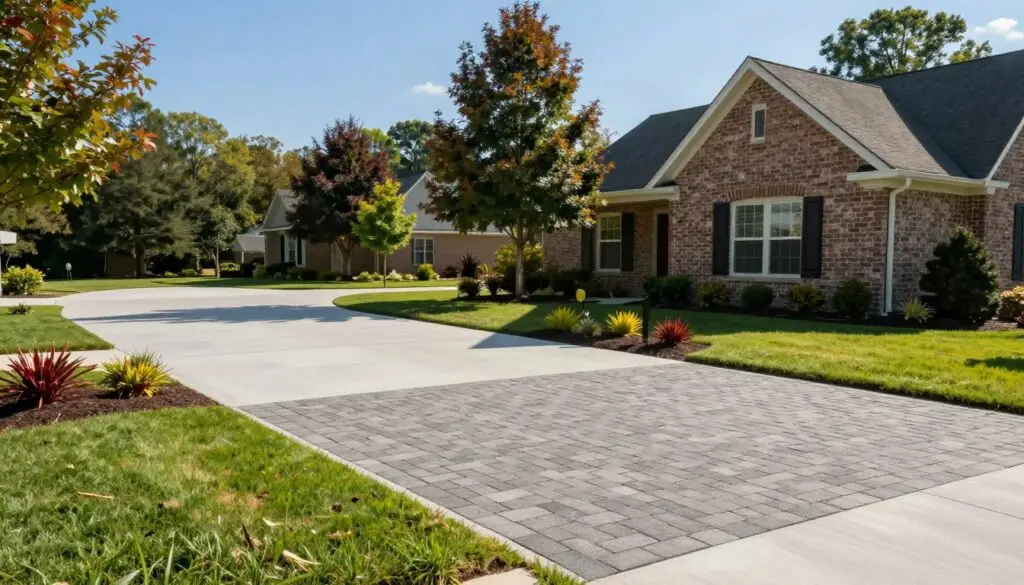
What local homeowners care about: budget, timeline, and curb appeal
- Local weather and soil in the area influence long-term performance and the right materials choice.
- Pavers handle freeze-thaw cycles and minor ground movement better, adding resilience and perceived value.
- Anchored Construction & Restoration helps you weigh cost, time, and design to match neighborhood style and budget.
- Transparent estimates let you compare pavers concrete and slab options side-by-side before starting a project.
Call (865) 316-6933 or email Info@anchoredconstructiontn.com to discuss your home goals and the best investment for lasting value.
Concrete vs Paver Basics: How Each Surface Is Built
Building a lasting surface starts with understanding how each system is assembled from the ground up. The methods differ but the end goal is the same: a stable, usable area that meets your needs.
Mix, pour, cure, and use
A poured slab uses a controlled mix of cement, sand, gravel, and water placed in forms. Crews grade the ground and set edge forms. They place and finish the mix to the desired look.
The slab needs time to harden. Expect early strength in several days and fuller strength over the first week depending on weather. Proper curing and sealing reduce cracks and lower future maintenance.
Base prep, sand layer, and interlocking units
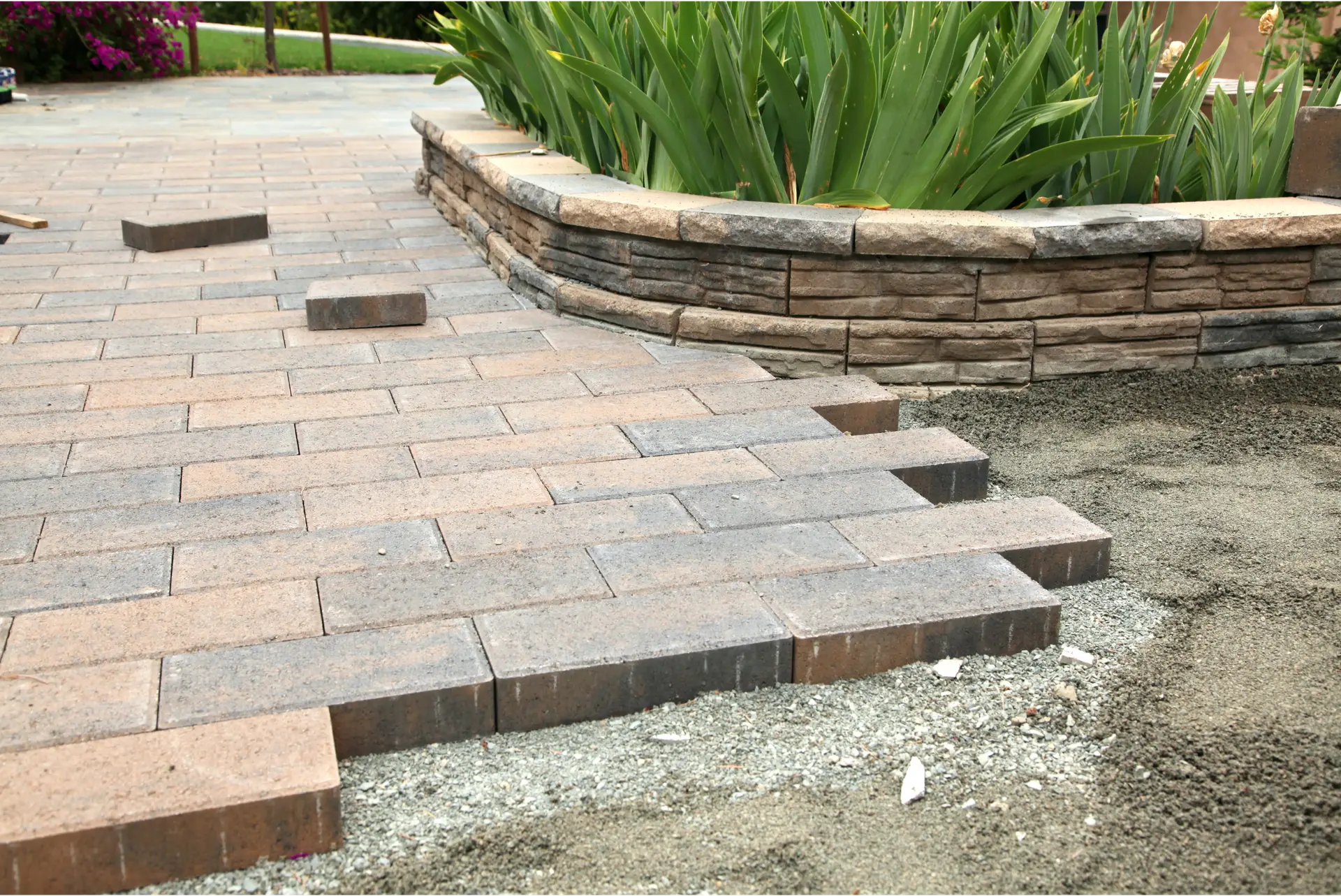
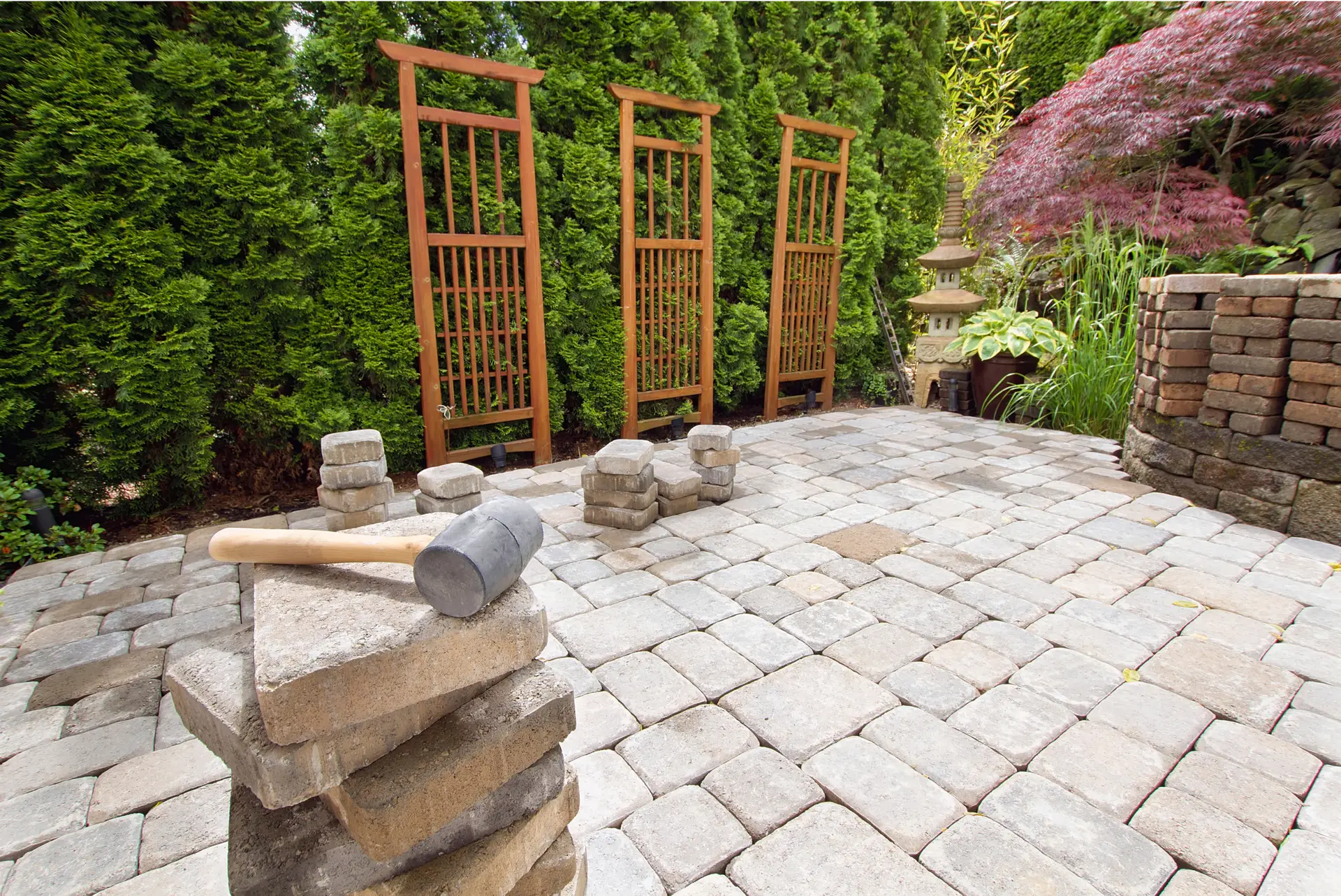
An assembled system begins with excavation and a compacted aggregate base. Installers add a sand setting bed and place individual stones, brick, or manufactured units by hand.
Joint sand is swept into gaps and compacted to lock the surface. This interlock transfers loads across units and helps resist movement.
- Both require correct base depth and drainage to prevent settlement.
- Anchored Construction & Restoration provides excavation, bobcat work, and field-tested installation to create a reliable base.
- Understanding these basics sets clear expectations for cost, schedule, and long-term performance. Call (865) 316-6933 for local guidance.
Concrete Driveway vs Pavers: Cost Per Square Foot and Total Project Pricing
Cost per square foot and total project pricing are the practical starting point for most homeowners. Clear ranges help you plan a realistic budget and compare long-term value.
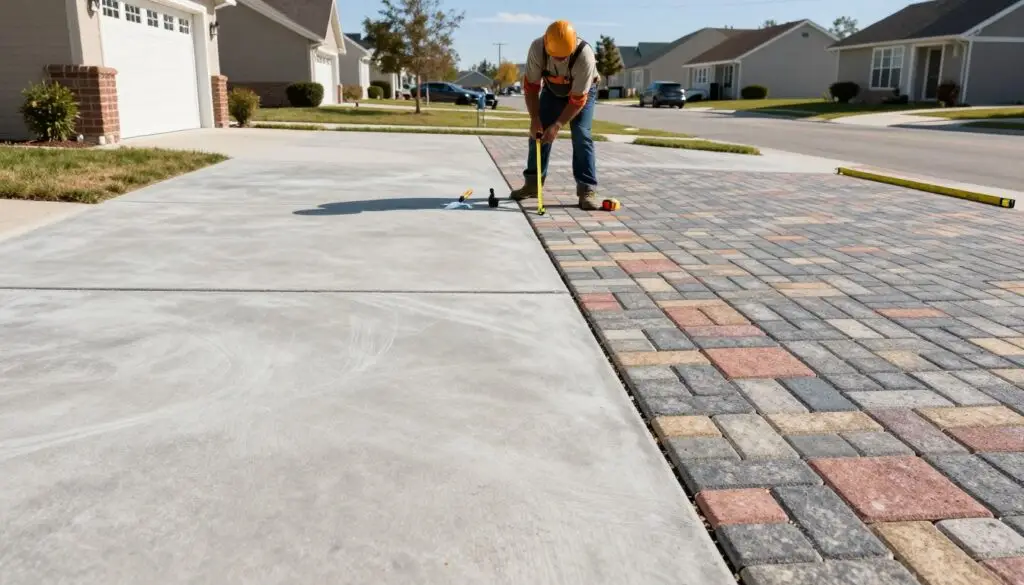
Typical ranges: Basic slabs often run $4–$15 per square foot depending on thickness and finish. A paver surface usually lands in the $10–$20 per square foot range because of unit costs and labor.
Several items drive price beyond material choice. Patterns, decorative finishes, base depth, demolition, access, and drainage add time and cost. Natural stone and premium surfaces raise the total more than standard concrete pavers.
Budget planning for Knoxville projects
- Expect lower upfront cost with a poured slab; repairs can be more visible if cracks appear.
- Individual paver units allow localized repair and may reduce long-term disruption.
- On sloped or soft sites, deeper base work improves durability but increases project cost.
- Ask about phased upgrades—edging, borders, or pattern accents—to manage investment and curb appeal.
Anchored Construction & Restoration provides clear, itemized estimates so you see where each dollar goes. Call (865) 316-6933 for tailored pricing and value-driven recommendations for your Knoxville project.
Installation Process and Timeline: From Groundwork to First Drive
A clear schedule and proper sequencing keep any paving project on track from excavation to first use. Anchored Construction & Restoration coordinates crews, weather planning, and site logistics to protect quality and meet expectations.
Steps, cure, and early use
Concrete installation typically needs 1–3 days of active work. That covers layout, excavation, base placement, forming, pouring, and finishing. Expect several days of curing before light use and about a week before driving.
How size, soil, and weather change the schedule
Pavers require deeper excavation, a thicker base, a sand setting layer, hand-laying of units, joint filling, and mechanical compaction. After compaction the surface is ready for traffic immediately.
- Smaller projects finish faster; large areas add staging and time.
- Wet or freeze-prone periods shift the timeline in East Tennessee.
- Weak ground needs extra aggregate and compaction for long-term performance.
- Minor touch-ups or future repairs are often simpler with modular units.
Anchored Construction sequences inspections and daily communication to reduce surprises. Call (865) 316-6933 to plan timing and protect access during your project.
Strength, Durability, and Weather Resistance
Long-term performance often comes down to how a surface handles pressure, water, and shifting ground over years.
Compressive strength and crack resistance differ widely. Manufactured units often rate 8,000–12,000 PSI and can move slightly without cracking. Standard concrete slabs sit near 2,500–3,000 PSI and are rigid.
That rigidity concentrates stress. Soil settlement or sharp temperature swings can lead to visible cracks. Replacing individual units is simple and blends in. Slab repairs are more noticeable.
Freeze-thaw, soil movement, and drainage
In freeze-thaw cycles, small shifts let modular systems settle without cracking the surface. Both systems last longer when water is moved away from edges.
- Load distribution: multiple units spread pressure and limit stress concentration.
- Base and edging: proper design mitigates ground movement and keeps interlock strong.
- Drainage: planned runoff prevents frost heave and extends service life.
Anchored Construction & Restoration designs bases and edges to resist movement and advises on sealing and drainage best practices to protect performance in Knoxville’s variable weather. Consult them to size the section properly for heavy vehicles and site conditions.
Maintenance and Repairs Over the Years
A few straightforward, regular tasks protect your investment and extend service life.
Concrete care includes periodic sealing every few years. Fill hairline cracks promptly and clean oil or rust stains fast to limit discoloration.
Resurfacing is an option when wear becomes widespread. Patching can fix spots but often looks different than the original pour.
Upkeep for modular units
Units need joint re-sanding and optional sealing to keep color and lock the surface. Use polymeric sand and occasional washing to limit weeds.
When a single paver fails, swapping individual pavers is quick and nearly invisible. This localized approach preserves overall appearance and reduces disruption.
- Routine tasks: seal, sweep, wash, and refill sand as needed.
- Repair visibility: patches on slabs can be noticeable; modular fixes blend in.
- Costs: paver repairs tend to be localized; slab work can be more invasive.
Anchored Construction educates clients on simple maintenance routines and offers repair services for both systems to protect appearance and value. Call (865) 316-6933 for service and advice.
Design and Aesthetic Options That Impact Curb Appeal
A well-planned surface palette ties landscaping and architecture into a single curb appeal statement.
Paver systems provide wide creative freedom. Homeowners choose colors, textures, and patterns like herringbone, basket weave, or running bond to make a tailored look. Materials include brick, natural stone, and concrete pavers which all offer distinct tones and feels.
Concrete finishes give clean, cohesive surfaces. Options include broom textures for traction, exposed aggregate for subtle contrast, and stamping or stains to mimic stone or brick. Color hardeners and stains add warmth or crisp contrast without complex upkeep.
Design details that matter
- Borders, inlays, and accent bands define edges and emphasize entries.
- Patterns like herringbone boost interlock and visual strength.
- Mixed sizes and tones create dynamic visuals that match landscaping and architecture.
- Precise installation — tight cuts and consistent joints — keeps the finish refined.
Anchored Construction & Restoration designs and installs hardscapes and finishes that match your home’s style. Ask about samples and mockups so you can see texture and color in your lighting. Call (865) 316-6933.
Drainage, Water Management, and Environmental Considerations
How surface water moves across a property affects long-term durability and value. Good planning keeps runoff off lawns and prevents pooling that shortens service life.
Permeable systems, runoff reduction, and cooler surfaces
Permeable pavers let water pass through joints and layered bases. That reduces runoff and helps recharge soil on-site.
Modular units often stay cooler. Air gaps and lighter colors cut heat absorption and make the area more comfortable in summer.
Slab drainage planning and heat retention
Concrete slabs need a clear slope and defined drains. Without proper pitch, water can pond and speed deterioration.
On clay or steep sites, underdrains and thicker bases are essential. The right stone and aggregate in the base control storage and flow.
- Percolation reduces stress on storm systems and lowers puddling at low spots.
- Design includes grading, edge restraints, and transitions to walkways and landscape stone.
- Anchored Construction plans drainage, base design, and edge control to protect landscape and value — call (865) 316-6933.
Lifespan, Long-Term Value, and Resale Impact
Choosing a surface means weighing how long it will last and what it will cost over the next decades. Proper installation and ongoing care shape both lifespan and resale appeal. Anchored Construction advises on total cost of ownership to align your budget with lifespan, appearance, and resale goals in East Tennessee.
Expected longevity
Typical service life: a well-installed concrete slab commonly lasts about 20–30 years with sealing and timely crack repairs. Modular units often last 25–75+ years because they allow local repairs and joint care.
Total cost of ownership
- Maintenance cycles matter: sealing, sanding joints, and cleaning prevent bigger fixes.
- Repair strategy: slab fixes can be more involved; paver systems let you replace units locally.
- Consider cost per square foot over time—small extra investment now can save replacement costs later.
- Weather and subgrade quality influence durability; engineer the section correctly at installation.
Resale and long-term value
Buyers often view a premium paver driveway as an upgrade due to design flexibility and easier upkeep. That perception can translate into higher curb appeal and value at sale time.
Anchored Construction & Restoration provides side-by-side comparisons so you can see how each option supports your project and budget. Call (865) 316-6933 to plan for lasting value and fewer surprises down the road.
Which One Fits Your Home and Goals?
Your best choice depends on how you weigh upfront cost, design desires, and long-term upkeep. Start by listing what matters most now and in five years.
Choose concrete when speed and lower upfront cost matter
Concrete delivers a lower initial cost and quick installation. It suits homeowners who need a fast, uniform surface and prefer simple maintenance. The slab needs time to cure before normal use.
Choose pavers for design flexibility, durability, and easy repairs
Pavers offer immediate usability after compaction and rich design options. Patterns, brick accents, and borders raise curb appeal. Modular units allow fast, nearly invisible repairs and long-term value.
Local help in Knoxville: Anchored Construction concrete, hardscapes, and more
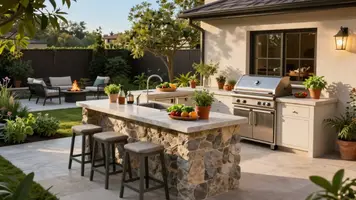
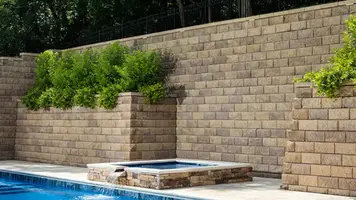
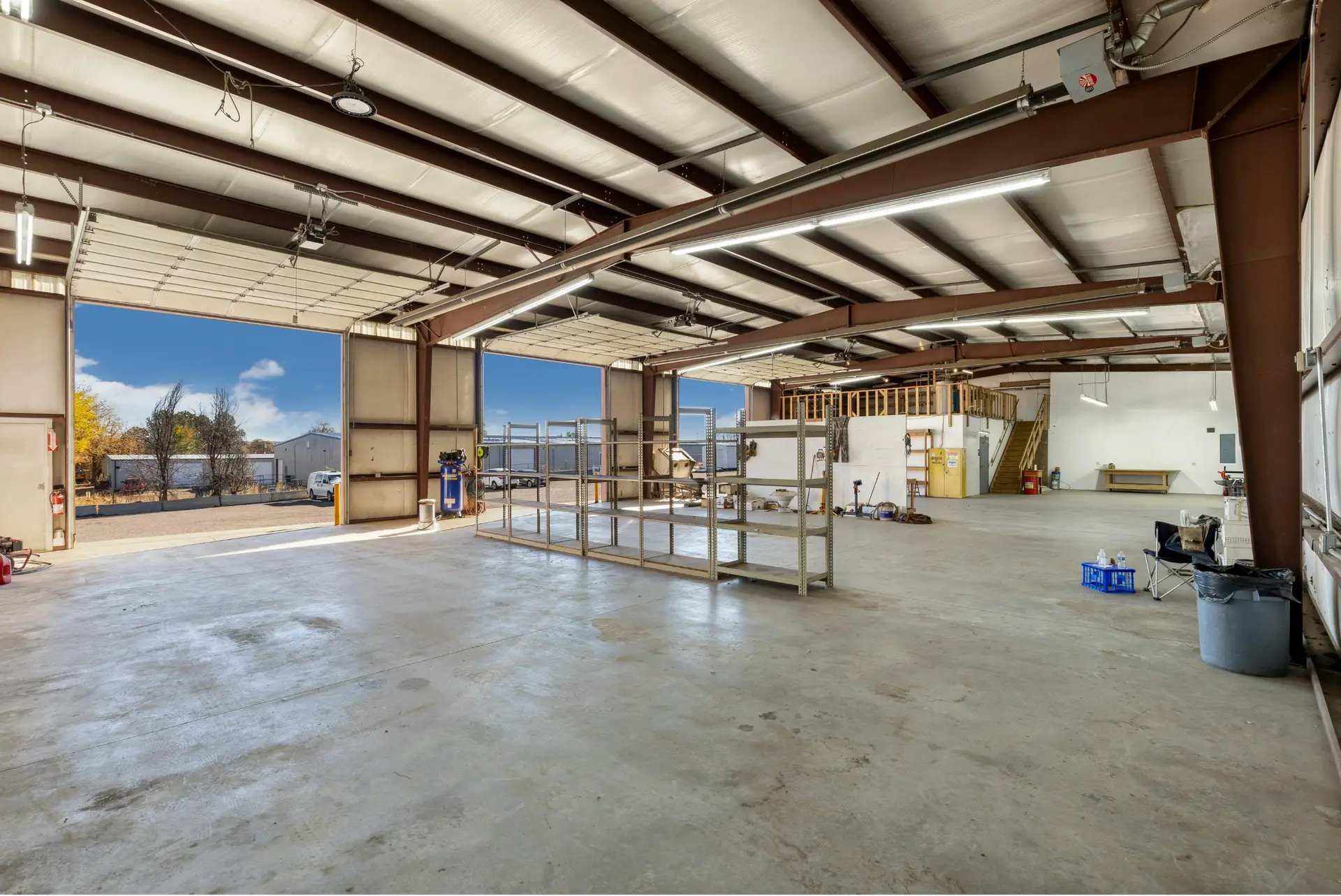
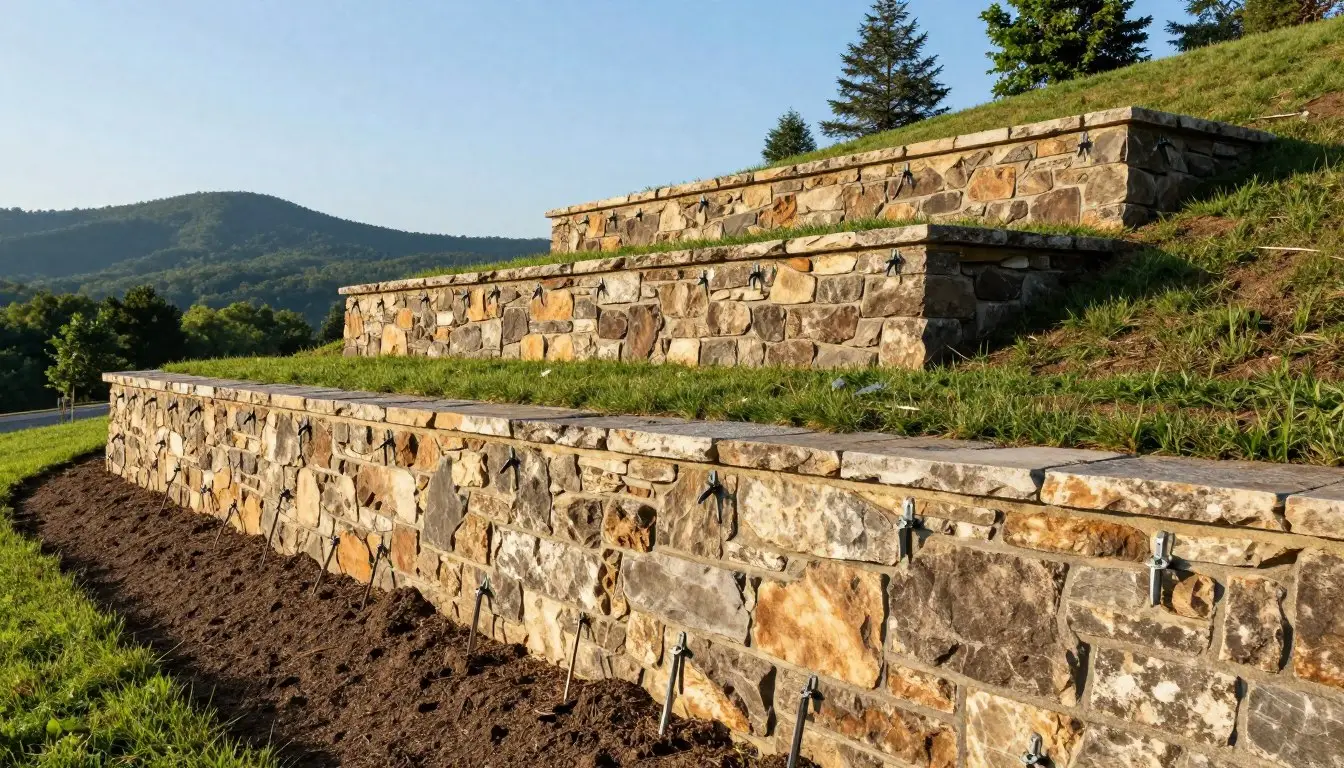
Anchored Construction & Restoration manages installation and maintenance for both systems. The team handles hardscapes, decks, outdoor kitchens, retaining walls, excavation, and warehouse work.
- Compare per square and square foot pricing against how long you’ll stay in the home.
- Let the crew outline installation timing, cost, and care for your project.
- Schedule a site visit to get a written plan that fits your budget and goals.
Call (865) 316-6933 or email Info@anchoredconstructiontn.com to discuss your options and next steps.
Conclusion
A smart selection weighs upfront cost, years of service, and ease of repair.
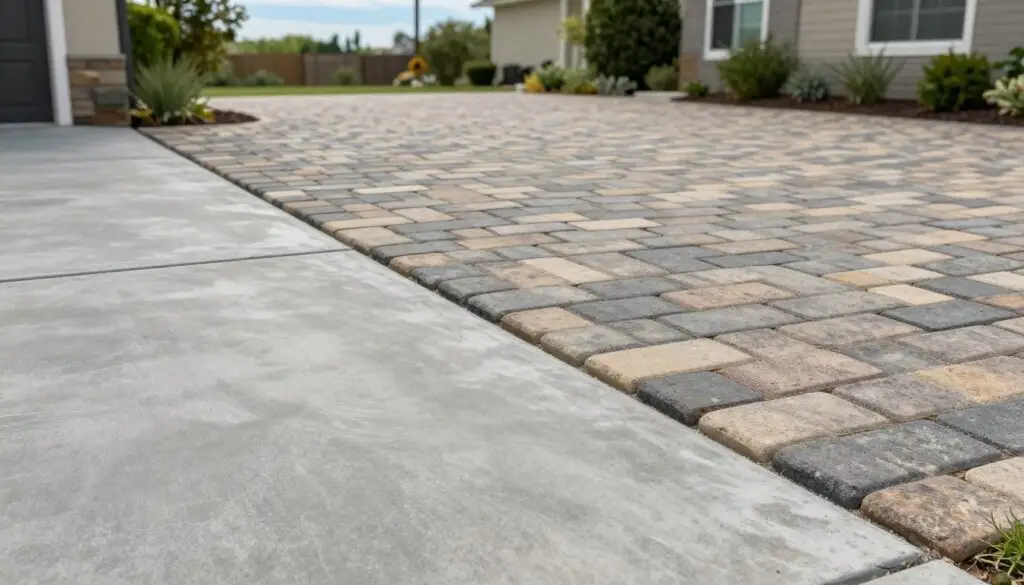
Both concrete and pavers deliver durable options, but the key difference is build method and upkeep. A poured slab averages $4–$15 per square foot and needs cure time. Modular units run $10–$20 per square foot and are traffic-ready after compaction.
Pavers let you replace individual stones quickly. A paver surface can reach 25–75+ years with routine joint care. Concrete often lasts about 20–30 years and may show repairs more clearly.
Plan the base, manage drainage, and follow simple maintenance to protect your investment. After 25+ years serving East Tennessee, Anchored Construction & Restoration brings proven methods and local expertise to every project. Call (865) 316-6933 or email Info@anchoredconstructiontn.com to get started on your driveway.