Which surface will best fit your home’s needs and budget: one that cures slowly and lasts decades, or one that installs fast and resists freeze-thaw cycles?
Homeowners face clear differences when comparing materials and design choices. This guide explains how appearance, installation time, and long-term performance affect your project.
Installation time matters. One option often allows vehicles within 24–48 hours. The other usually needs a week before regular use. Lifespan and local climate shape maintenance and value.
Anchored Construction & Restoration brings more than 25 years of East Tennessee experience. The Knoxville team helps you match an option to site conditions, schedule, and curb appeal. Call (865) 316-6933 or email Info@anchoredconstructiontn.com to discuss your next step.
Key Takeaways
- Understand how materials and design change appearance and performance.
- Installation time affects when you can use the surface and the project schedule.
- Costs and lifespan differ; choose for long-term value and maintenance needs.
- Local climate in East Tennessee influences material performance over time.
- Anchored Construction offers local expertise to align choices with your site.
Concrete vs Asphalt: What They’re Made Of and Why It Matters
The ingredients behind a paved surface explain why it behaves differently under traffic and weather.
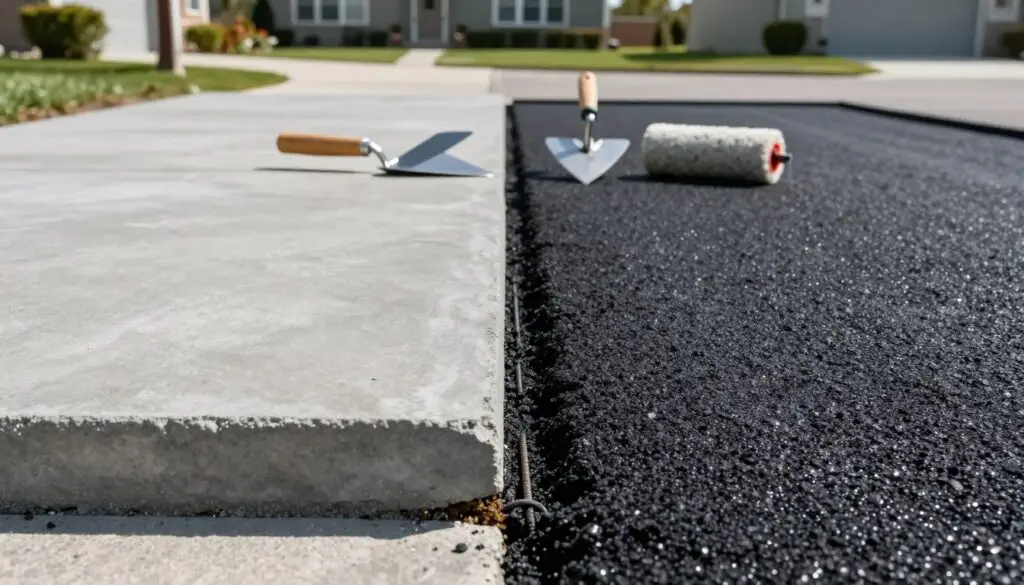
How the mixes differ
Concrete is a blend of cement, sand, gravel, and water. It cures to a hard, long-lasting surface. Installers can alter the mix and finish for color, texture, or stamping to match a home’s style.
Asphalt pairs aggregates with a petroleum-based binder. The material is heated, poured, and compacted. That process yields a flexible surface that usually opens to traffic sooner than a concrete driveway.
- Concrete mix supports heavy loads and many decorative options.
- Asphalt tolerates temperature swings and returns to service quickly.
- Material choice affects cracking, softening, and seasonal movement.
- Anchored Construction offers full-site prep, mix selection, and finishes tailored for Knoxville driveways.
Installation, Curing, and Time to Use: From Project Start to First Drive
Timing and preparation determine when a new surface is ready for foot and vehicle traffic.
Asphalt installation and quick drive-on window
Asphalt installation moves fast. Many asphalt driveways accept limited traffic within 24–48 hours. The material typically dries in about 1–3 days, which helps when the project schedule is tight.
Concrete installation and curing timeline
Concrete requires more cure time. Plan on 7–10 days before vehicles can use the surface. Framing, placement, finishing, and curing all add days to the schedule.
Site prep, subbase, and why excavation matters
Subbase quality controls long-term performance. Anchored Construction provides Bobcat and excavation services to handle grading, compaction, and drainage.
- Fast asphalt installation often wins when time is short.
- Longer curing for concrete yields initial strength in 7–10 days.
- Proper base, edge support, and joint or lift thickness prevent early failures.
- Homeowners benefit from a clear schedule that notes installation steps and days before foot and vehicle use.
Concrete Driveway vs Asphalt: Costs Per Square Foot and Total Budget
A clear view of installed pricing helps homeowners plan a project that fits both needs and wallet.
Typical installed ranges are $7–$15 per square foot for asphalt and $8–$20 per square foot for concrete. Average total projects often land near $5,258 for asphalt work and about $6,400 for concrete work.
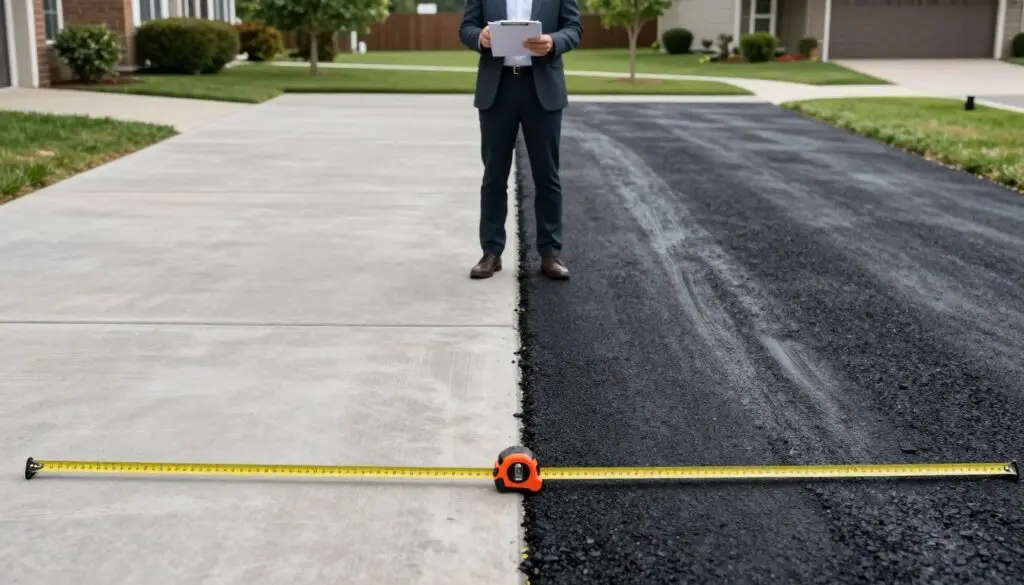
What drives price
Size, depth, slope, and finish choices shape final costs. Labor rates vary by site difficulty. Excavation, base material, and drainage upgrades add to line items.
- Labor and access: steep grades or tight sites raise per square rates.
- Finishes and thickness: decorative or thicker sections increase material and labor costs.
- Long-term work: overlays, repairs, and seal cycles change lifecycle spending.
Upfront vs long-term
Expect overlays for asphalt at about $3–$7 per square foot. Concrete repairs range widely, often $3–$25 per square foot. Asphalt benefits from sealing every 2–3 years; concrete sealing is optional but helpful.
Anchored Construction provides itemized estimates for Knoxville-area homeowners, including site prep, labor, finishes, and drainage. Call (865) 316-6933 or email Info@anchoredconstructiontn.com for a detailed quote.
Climate and Performance: How Heat, Cold, and Freeze-Thaw Affect Your Driveway
Choosing materials that match regional temperatures reduces repair headaches over time. Anchored Construction evaluates local climates to recommend the right base, thickness, and finishing details for lasting results.
Colder regions and freeze-thaw cycles
Asphalt uses a flexible binder that eases stress from freeze-thaw movement. That flexibility helps reduce crack propagation in cold climates.
Hotter areas and heat-related deformation
Concrete stands up to high daytime temperatures without softening. It keeps shape and texture when asphalt can become tacky in extreme heat.
Knoxville and East Tennessee considerations
- Seasonal swings in temperatures call for a tailored base and proper drainage.
- Jointing for concrete or correct lift placement for asphalt improves seasonal performance.
- Anchored Construction balances these differences, weighing time and cost to match site conditions.
- Shade, sun exposure, and runoff paths are reviewed to protect the surface over many seasons.
Maintenance, Repairs, and Lifespan: What Homeowners Should Expect
Long-term care and timely fixes determine how many useful years a paved surface will give a home. Routine attention slows wear and prevents small faults from becoming costly problems. Anchored Construction recommends a clear schedule and checks after seasonal weather events.
Asphalt care and typical lifecycle
For asphalt surfaces, seal coating every 2–3 years and prompt crack filling are standard. These actions reduce oxidation and stop moisture from reaching the base. With proper care, asphalt often reaches 15–20+ years.
Upkeep for concrete surfaces
Concrete driveways benefit from optional sealing and quick stain or crack management. Good joint spacing and load design cut down random cracking. Typical service life ranges from about 27.5 to 40 years depending on use and climate.
- Repairs: Asphalt overlays restore appearance efficiently. Concrete spot repairs can cost $3–$25 per square foot.
- Cracks: Address early to protect the subbase and extend lifespan.
- Installation vs maintenance: Proper subbase and drainage add more years than any single seal or patch.
Anchored Construction offers maintenance planning, crack and joint guidance, and realistic service schedules for Knoxville-area projects. A combination of quality installation and scheduled care keeps repair needs low and adds real years to your investment.
Appearance, Customization, and Environmental Considerations
Finishes, color, and texture shape curb appeal and how a surface handles sun, rain, and traffic.
Aesthetics and finish options
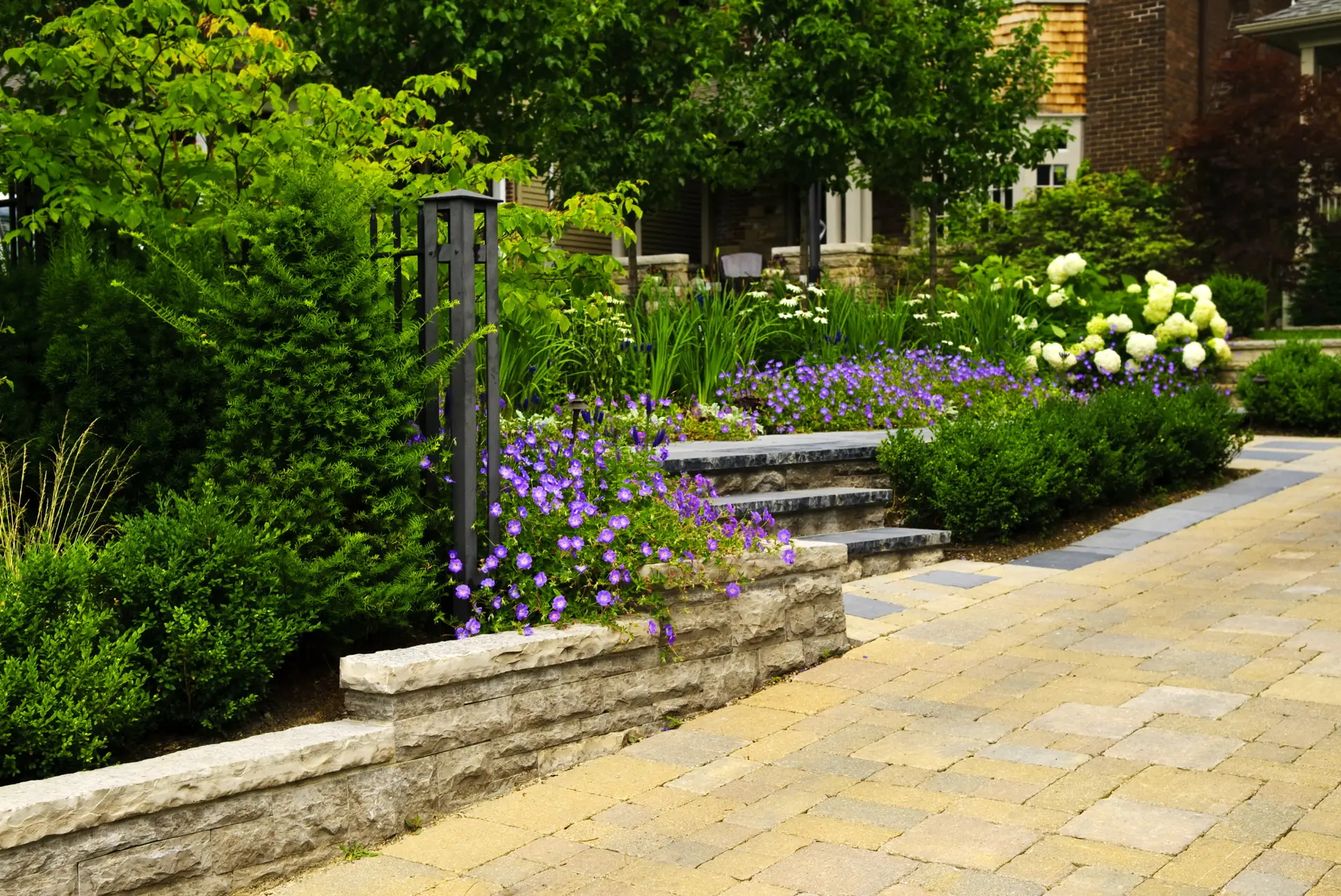
Concrete driveway work offers the widest selection of stamped patterns, stains, and textured finishes. These choices elevate curb appeal and let homeowners match the look to architecture and landscaping.
By contrast, asphalt concrete provides a classic blacktop look that reads clean and consistent. It pairs well with modern plantings and simple borders.
Environmental trade-offs
- Appearance options: lighter finishes reflect heat; darker surfaces absorb it.
- Long-term impact: asphalt concrete is highly recyclable; concrete driveway work often lasts longer but has higher CO2 in production.
- Design and drainage: permeable layouts and proper grading reduce runoff; gravel accents can aid drainage and the look.
Anchored Construction & Restoration helps homeowners choose finishes and options that fit the home, the expected maintenance, and local site needs.
Conclusion
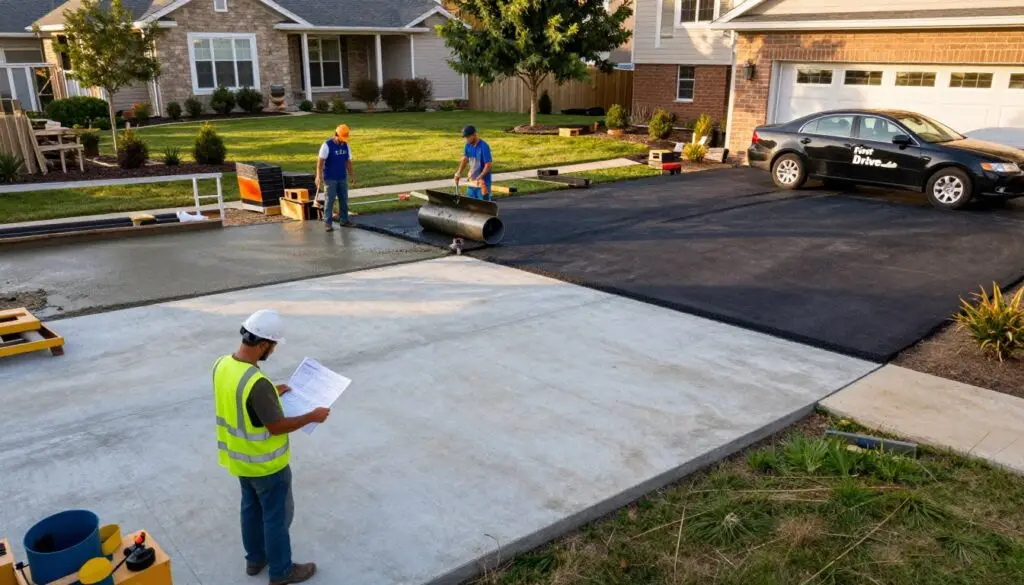
A good decision pairs the right materials with site conditions, budget, and how quickly you want to use the new surface.
Both concrete and asphalt are solid options. The best choice depends on expected lifespan, per square foot costs, and local climates. Asphalt often allows use in 24–48 days, while concrete needs about 7–10 days before vehicles return. Typical lifespans run roughly 15–20 years for asphalt and about 27.5–40 years for concrete with proper maintenance.
Consider upfront cost, routine maintenance, and timely repairs for cracks and drainage. Anchored Construction & Restoration will review your site, confirm square foot estimates, and recommend finishes or gravel transitions.
Call (865) 316-6933 or email Info@anchoredconstructiontn.com to schedule an on-site assessment and receive an itemized proposal tailored to your project.