Which decking material will give your Knoxville home lasting beauty without costing a fortune?
Anchored Construction & Restoration brings over 25 years of local experience to help homeowners make that decision. Led by Knoxville native Travis Bullington, the team blends practical know-how with a love of outdoor living.
This buyer’s guide compares common choices. It covers pressure-treated lumber, cedar and redwood, tropical hardwoods like ipe, and composite or PVC alternatives. Each option is weighed for up-front cost, ongoing maintenance, and long-term durability.
Expect clear, practical advice that explains how materials affect appearance and performance in East Tennessee’s sun and humidity. The goal is to match your lifestyle with the right decking solution and a smart plan to protect color and grain.
Ready to get started? Anchored Construction & Restoration offers design, building, and repair services—call (865) 316-6933 or email Info@anchoredconstructiontn.com for a local consult.
Key Takeaways
- Compare looks, maintenance, and lifecycle cost before choosing material.
- Pressure-treated is affordable; cedar and redwood need sealing.
- Tropical hardwoods offer top durability but higher cost and special install needs.
- Composite and PVC reduce upkeep and resist moisture and fading.
- Local climate affects how materials age; choose accordingly.
- Anchored Construction provides local expertise to guide your choice.
How to choose the best decking material right now
Start your material decision by listing what matters most: initial cost, upkeep, and appearance. That first step makes the process clear. It helps homeowners and commercial clients pick a path that fits their needs and budget.
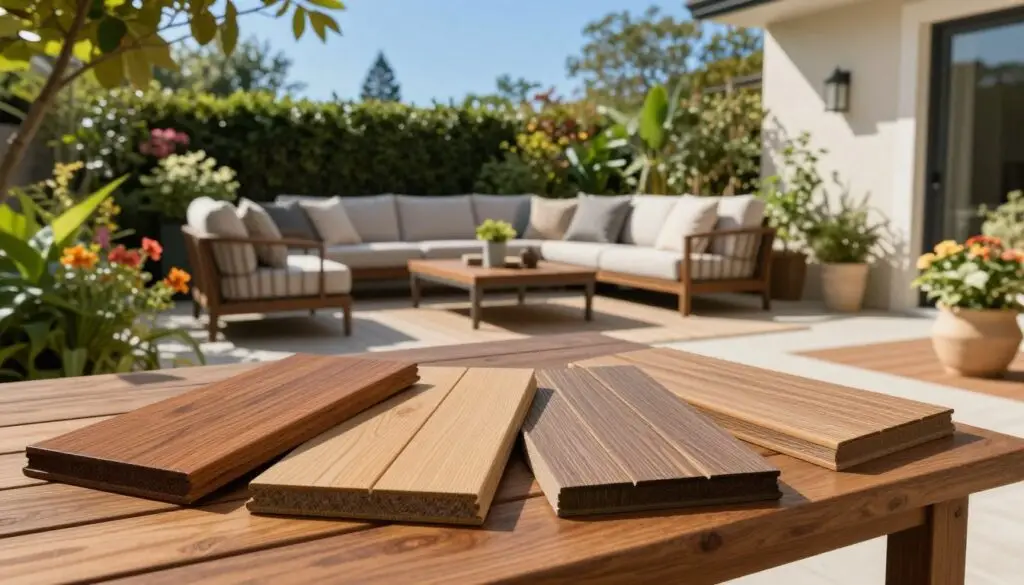
Match your budget, maintenance commitment, and desired look
Composite and PVC have higher upfront cost but lower yearly maintenance. Cedar and redwood offer natural resistance and a warm tone but need annual sealing. Pressure-treated lumber is the lower-cost option and still performs well with scheduled care.
- Rank priorities: upfront cost, yearly maintenance, and daily appearance.
- High-traffic commercial areas need durable surfaces and quick cleaning routines.
- Residential patios favor comfort and character; choose materials that age well in humidity.
- Factor in total cost over time: sealers, cleaners, and periodic refreshes add up.
- Review warranties and service life to understand real ownership cost.
Anchored Construction & Restoration uses 25+ years of local experience to guide clients. Their team helps balance style, performance, and long-term cost for Knoxville climates.
Why homeowners trust Anchored Construction for wood decks in Knoxville
Anchored Construction & Restoration has served East Tennessee since 2000. Founded and led by Knoxville native Travis Bullington, the company pairs local knowledge with skilled craftsmanship. Homeowners call for clear guidance, honest quotes, and work that lasts.
25+ years of service led by Travis Bullington
Founded in 2000, the firm brings more than 25 years of regional experience. Travis understands how sun, humidity, and freeze-thaw cycles affect material choices and long-term durability. That insight helps homeowners select sensible options and a practical care routine.
From building to hardscapes: full solutions under one roof
The team handles framing, concrete, landscaping, outdoor kitchens, hardscapes, retaining walls, warehouse services, and excavation. One coordinated crew speeds timelines and keeps quality consistent.
- Craftsmanship and clear communication through every phase.
- Guidance on cleaning and sealing so your investment holds up.
- Scalable solutions for commercial projects and custom designs for each home.
- Local experience that anticipates site challenges before they arise.
For a dependable build that balances appearance and performance, contact Anchored Construction & Restoration at (865) 316-6933 or Info@anchoredconstructiontn.com.
Best outdoor deck wood: quick picks by priority
Quick guidance helps you match material to budget, appearance, and upkeep needs. Use these prioritized picks to decide the right path for your project and lifestyle.
Best value: pressure-treated southern yellow pine
Pressure-treated wood, often made from southern yellow pine, gives strong support at a lower cost. It is widely available and familiar to local contractors.
Natural beauty with manageable upkeep: cedar and redwood
Cedar and redwood bring warm grain and a classic look. They resist decay naturally but need yearly sealing to protect color and appearance.
Premium durability and longevity: hardwoods like ipe
Tropical hardwoods like ipe offer extreme density and long service life. Expect higher upfront cost and skilled installation, but they outlast many alternatives.
- Quick picks balance budget, appearance, and maintenance.
- Anchored Construction helps you compare real costs and samples on site.
- Choose by how much care you expect to give the surface and the local climate.
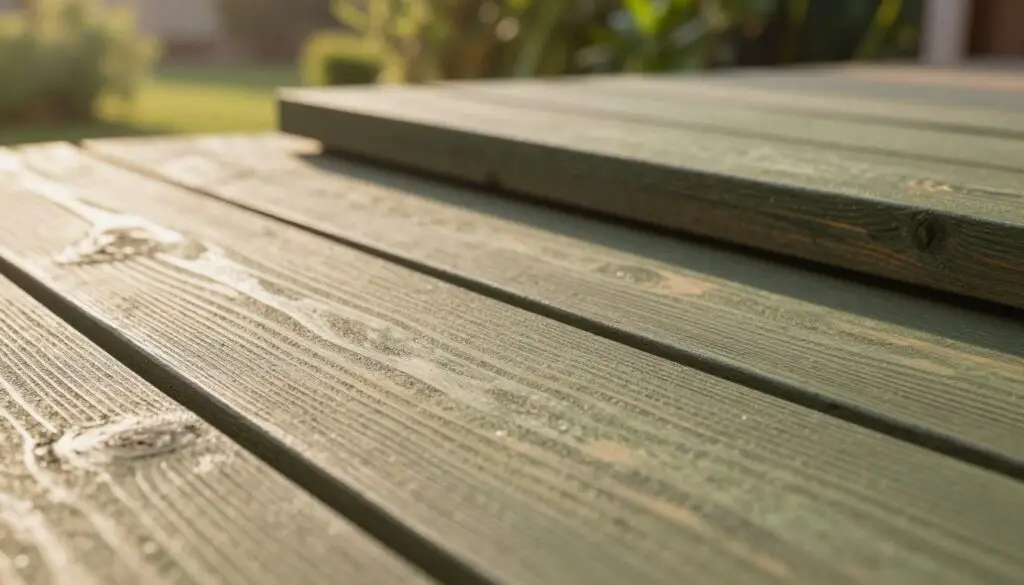
Pressure-treated wood: affordable durability with proper care
Pressure-treated lumber gives homeowners a cost-effective route to lasting surfaces when they commit to scheduled care. Anchored Construction educates clients on simple routines that extend service life and preserve appearance.
How treatment protects the grain
The pressure process forces preservatives deep into wood fibers. That treatment improves resistance to rot and insects compared with untreated material.
Pros, cons, and expected lifespan
Advantages include wide availability, flexibility in sizes, and a lower cost for framing and surfaces. Southern yellow pine is common for strength and supply.
- Initial greenish color fades to gray; stains or sealers control color and water shedding.
- Plan maintenance: wash annually, inspect fasteners, and reseal on schedule.
- Use corrosion-resistant fasteners and pick grades for visible areas to balance appearance and cost.
- With proper maintenance, installations often last 20–40 years; poor care can cause cupping or twisting.
Cedar and redwood: natural beauty, color, and resistance
Cedar and redwood offer a warm, natural palette that changes with sun and time. Both species show rich grain and tones that enhance outdoor living areas.
Appearance, grades, and how annual sealing preserves the look
Cedar has natural oils that help resist rot and insects. Its tones range from light brown to salmon pink. Annual sealing preserves color and reduces checking.
Redwood ranges from deep red to chestnut. Premium Clear Heart grades show fewer knots and a smoother face. UV-blocking finishes keep color vivid longer.
Expected longevity and cost considerations vs. pressure-treated
Both species are softer than many hardwoods and need annual maintenance to reach full lifespan. Cedar typically lasts about 13–20 years; redwood can reach 20–30 years with proper care.
- Natural resistance helps reduce rot but does not replace regular sealing.
- Costs are higher than pressure-treated, yet many homeowners choose these for tactile feel and appearance.
- Anchored Construction advises on grade selection for rail caps, borders, and fascia to protect the visible surfaces.
Hardwoods: mahogany and tropical hardwoods like ipe
Hardwoods bring a premium look and years of service. They also require careful selection and skilled installation.
True mahogany (for example Honduran) offers superior stability and decay resistance compared with many species marketed as mahogany. Genuine species hold fasteners and stay straight longer. That stability reduces surprises during install and over time.
Ipe’s unmatched density and service life
Ipe is extremely dense and resists insects and rot. With proper care it can last up to 75 years. That longevity and durability make it a top choice for high-traffic areas and luxury projects.
Installation skill needs and higher upfront price
Tropical hardwoods are costly and need specialized blades, pre-drilling, and stainless fasteners. Expect a higher upfront price but outstanding life cycle value.
- Distinguish true mahogany from lookalikes to secure stability and resistance.
- Plan ventilation and hidden fasteners for clean lines and long-term performance.
- Use UV-protective finishes to keep color; otherwise surfaces weather to gray.
Anchored Construction & Restoration explains species differences and sets realistic budgets. Their team ensures proper detailing so your wood decking performs for years.
Wood vs. composite and PVC: maintenance, durability, and long-term costs
Choosing the right surface means weighing initial price against years of care and performance.
Composite and PVC provide low maintenance performance in sun and rain. They resist rot, splintering, and insect damage. PVC offers superior fade and moisture resistance. Many PVC systems also carry long warranties that protect homeowners over time.
Composite boards need a quality protective cap to improve fade and stain resistance. Premium caps increase longevity and scratch resistance. That makes composite and PVC cost-effective when factoring reduced annual upkeep.
When natural wood wins on aesthetics and budget
Natural wood still appeals for authentic grain and tactile warmth. Its lower initial price can fit tighter budgets. But wood requires regular sealing, cleaning, and inspections to keep appearance and durability.
- Composite and PVC minimize upkeep and clean easily.
- PVC resists moisture and mold — good near pools and damp landscaping.
- Wood offers unique character and lower upfront price but higher lifetime maintenance.
Anchored Construction & Restoration compares options objectively and delivers side-by-side estimates. That helps you match the right decking material to your lifestyle, usage, and long-term budget.
Maintenance timelines that protect your deck’s appearance and lifespan
A clear, seasonal maintenance plan helps preserve finish, safety, and long-term value. Anchored Construction provides simple schedules so you know when to inspect, clean, and reseal.
Seasonal care: spring inspection, summer cleaning, fall sealing
Spring: plan an inspection to find loose fasteners, raised grain, or early finish wear. Clean stains and pollen away and reapply sealant if surfaces show wear.
Summer: wash gently to remove dust and organic buildup that dulls color and invites mildew. Make prompt repairs after heavy use or storms.
Fall: perform a final clean and apply protective sealing to improve water shedding before winter moisture arrives.
UV-blocking finishes, sealing cadence, and mildew prevention
Cedar and redwood benefit from annual sealing to keep tone and limit checking. Tropical hardwoods respond well to UV oils every few years to slow graying and preserve depth.
Pressure-treated surfaces gain from periodic sealing to reduce water penetration and lower rot risk. Maintain ventilation gaps so boards dry after rain and morning dew.
- Use cleaners made for wood decking; avoid aggressive pressure washing that can harm fibers.
- Sweep organic debris regularly; shaded areas need extra attention to prevent mildew.
- A consistent plan extends years of service and keeps surfaces comfortable and safe underfoot.
Design, climate, and usage factors for East Tennessee decks
Smart design starts with how sun, use, and moisture interact on site. Choosing the right mix of materials and details keeps a deck attractive and long lasting in Knoxville’s heat and humidity.
Full sun, heavy foot traffic, and moisture resistance considerations
Full sun calls for UV-stable finishes and colors that hold up. UV protection slows fading and preserves surface integrity.
High-traffic zones benefit from harder species or engineered options like composite that handle wear with low upkeep.
Seasonal moisture demands boards and fastenings that shed water and dry quickly. Good airflow under framing reduces dampness and improves resistance.
Integrating kitchens, hardscapes, and retaining walls
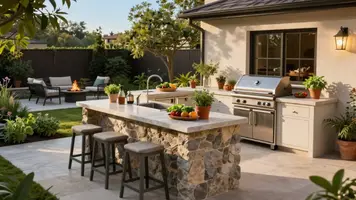
Outdoor kitchens introduce heat and grease. Use surfaces that clean easily and resist staining.
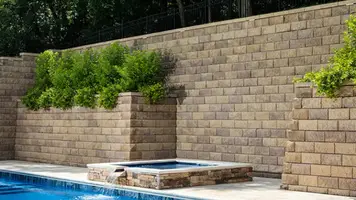
- Align hardscapes and retaining walls with deck elevations to avoid water pooling.
- Plan lighting, steps, and railings for safe evening use.
- Select framing and fasteners rated for the environment to protect structure and durability.
Anchored Construction & Restoration coordinates trades early. That keeps utility runs, drainage, and finishes aligned so homeowners get cohesive, low-maintenance results that control long-term cost.
Conclusion
A clear plan that pairs material choice with routine care sets up years of reliable performance.
Choose among options that match your budget and how much maintenance you will do. Pressure-treated pine gives value with regular sealing and cleaning. Cedar and redwood reward yearly care with warm color and grain.
For maximum longevity, tropical hardwoods like ipe resist insects and rot when installed correctly. Engineered decking material and PVC offer low maintenance and strong resistance to moisture.
Anchored Construction & Restoration brings 25+ years of local expertise. Led by Knoxville native Travis Bullington, the team handles decks, outdoor kitchens, hardscapes, concrete, landscaping, retaining walls, warehouse projects, and excavation.
Ready to compare types, price, and total cost of ownership? Call (865) 316-6933 or email Info@anchoredconstructiontn.com to plan your project.