Can a backyard flame cut visible smoke by roughly 80 percent and still feel like a familiar camp gathering?
Anchored Construction & Restoration answers that question with clear examples and local experience. Founded in 2000 and led by Knoxville native Travis Bullington, the team blends outdoor passion and craftsmanship for over 25 years.
At its core, a modern design uses a two-stage, double-burn system. Air vents at the base feed the flame. Hot air moves between walls and re-burns smoke at the rim. That creates a hotter, cleaner burn than a traditional campfire.
Expect minimal visible smoke, not zero. Startup smokes and exhaust gases can appear briefly. The hotter flame also consumes fuel faster, so plan for fuel and seating distance.
Anchored Construction can integrate these units into decks, patios, and hardscapes with code-conscious layout and durable materials. Call (865) 316-6933 or email Info@anchoredconstructiontn.com to get started.
Key Takeaways
- A two-stage burn reduces visible smoke for a cleaner backyard experience.
- Design matters: vents, double walls, and rim re-burn are essential features.
- These systems run hotter and may use more fuel over time.
- Startup smoke and brief exhaust are normal; zero smoke is unlikely.
- Anchored Construction offers local installation and design for safety and comfort.
What Makes a Fire Pit “Smokeless” Today
Today’s designs focus on airflow and heat management to lower the amount of smoke guests notice around a gathering.
“Smokeless” means less visible smoke, not zero. The goal is cutting the amount smoke you see and smell by making combustion more complete.
Modern smokeless fire pits use base vents and wall vents to feed oxygen where it matters. Double-wall construction heats incoming air before it meets rising gases. That warmed air helps re-burn tiny particles before they escape.
Compared with traditional fire pits, these units concentrate heat and create a steadier draft. The best models tested by Anchored Construction reduced visible smoke by about 80 percent.
- Expect brief smoke at startup or when adding fuel.
- Use seasoned, low‑moisture wood to reduce steam and half‑burned bits.
- Anchored Construction pairs a unit with proper deck and patio clearances for safe, lasting results.
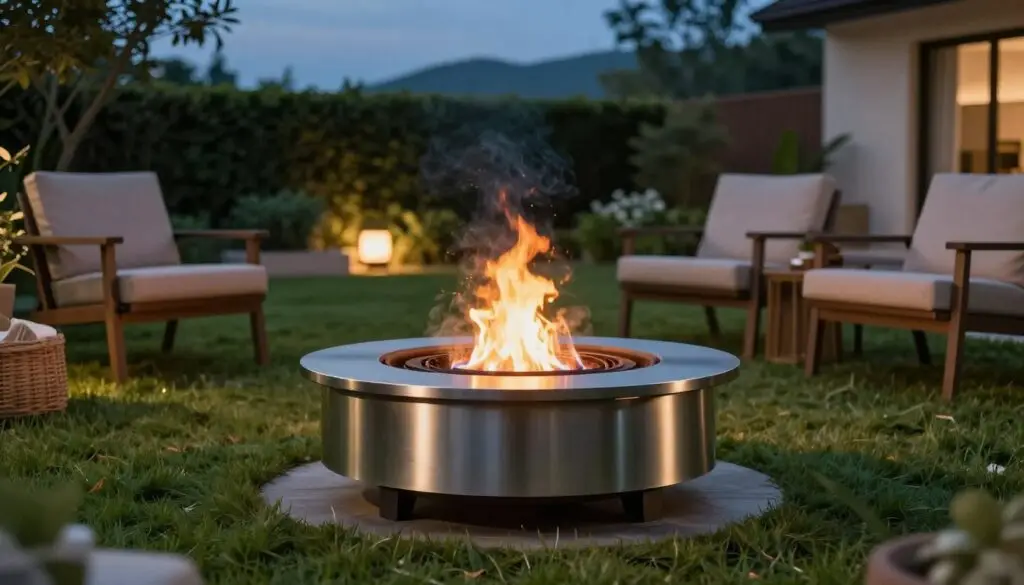
How Smokeless Fire Pits Work: Inside the Two-Stage Burn
Two linked combustion steps shift smoke from nuisance to fuel for a cleaner exhaust. Anchored Construction explains the system in plain terms so homeowners can choose with confidence.
Primary combustion starts at the base. Vent holes and an elevated grate feed oxygen directly to the chamber. That makes the flame ignite quickly and burn hotter and steadier.
Double-wall heating
The double-wall body traps air between layers and heats it as it rises. Warm air meets the flame column, boosting combustion efficiency before gases leave the chamber.
Secondary combustion at the rim
Jets of hot air eject at the top rim and mix with rising gases. This triggers secondary combustion, which re-burns leftover particles and cuts visible smoke and ash.
Why airflow design matters
- Smart airflow sequences oxygen and temperature, so combustion happens in order, not randomly.
- Interior vents and balanced drafts prevent smoldering or wasted heat.
- Consistent flames, faint smoke, and fine powdery ash signal good design.
Anchored Construction can position a unit and build a surround that preserves airflow, protects surfaces, and keeps hands clear of hot zones.
Fuel, Moisture, and Airflow: Getting a Truly Low-Smoke Burn
Fuel choice and airflow make the biggest difference when aiming for a low-smoke backyard burn.
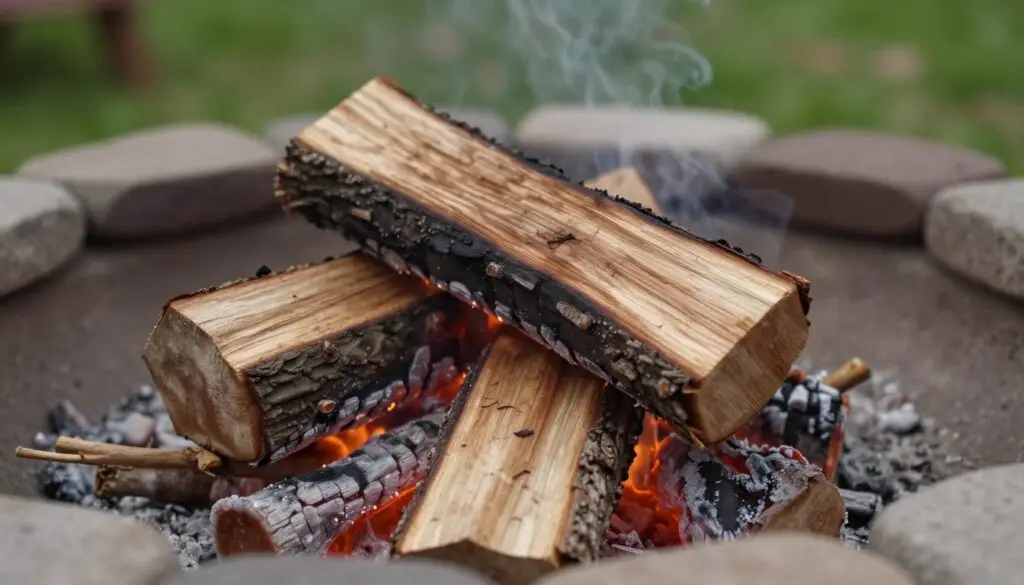
Use seasoned wood or low‑moisture fuel. Choose wood dried at least six months or kiln-dried logs. Lower moisture means less steam and fewer particles that cool combustion and raise visible smoke.
Pellets and lump charcoal suit some models. Confirm compatibility and place a shallow, even layer so the air can circulate.
Stacking and loading for cleaner flames
Split logs to about fist-size. Stack loosely in a crisscross or teepee pattern so air moves through the load.
Add small amounts at a time. Overfilling suppresses airflow and makes the unit smoke until the new fuel heats through.
Expect faster consumption in efficient designs
Efficient models run hotter. That means they often use more wood or pellets over the same span of time.
Practical habits to reduce smoke:
- Keep kindling dry and covered to avoid long smoky starts.
- Open intake vents fully at light-up; adjust fuel rather than throttling air.
- Maintain a thin coal bed so fresh air reaches the base during refueling.
- Store dry wood near the patio; Anchored Construction can design protected storage and wind-aware placement for lasting performance.
The Real Benefits—and Limits—of Smokeless Fire Pits
Reduced plume makes backyard evenings more pleasant. Guests linger longer when hair, clothes, and eyes stay clear of stray smoke.
Comfort is the top benefit. A smokeless fire pit cuts visible smoke and odors so cushions stay cleaner and conversations don’t move around the yard.
There are limits. These units still emit exhaust gases. Startup and refueling can produce a brief burst of smoke before temperatures steady.
- Less smoke in eyes and on clothing means fewer interruptions and cleaner fabrics.
- Heat rises; a hotter flame often sends warmth up more than outward to your torso and knees.
- Position seating with wind direction in mind and consider a reflector or low wall to nudge more radiant heat toward guests.
- More complete combustion helps the environment by lowering the amount of unburned material in the air.
Anchored Construction helps plan seating, wind protection, and materials so evenings feel comfortable without sacrificing safety or airflow.
Safe Setup and Placement for Backyards and Decks
A well-placed unit protects trees, structures, and wood decks while improving airflow and performance. Good placement reduces startup smoke and keeps vents clear so the unit runs efficiently.
Clearances above and around the unit
Keep generous overhead clearance. High flames and rising heat can dry or scorch branches, canvas, or roof edges.
Allow lateral space from railings, furniture, and walls. Heat spreads farther than many expect on still nights.
Base, pads, and surfaces
Place the steel body on non-combustible surfaces. Pavers, concrete, or approved heat shields protect decks and patios.
Anchored Construction specifies code-aware pads and level mounts to prevent tipping and maintain proper air paths.
Operating practices and shutdown
- Keep vents clean; ash, leaves, or snow can choke air and increase smoke.
- Start with dry kindling and modest fuel; avoid accelerants and let the unit stabilize before adding larger logs.
- Supervise all fires and have an extinguisher nearby; use a lid or snuffer after embers cool.
For Knoxville-area installs, call (865) 316-6933 or email Info@anchoredconstructiontn.com for safe, code-aware placement and pad design.
How does smokeless fire pit work: Choosing the Right Design for Your Space
Select a model that matches your space and routine to get the best blend of heat, view, and clean burn.
Double-wall cylinders trap air between two walls and preheat it before it meets the chamber. That boosts secondary combustion and reduces visible exhaust.
Mesh-forward bodies offer more sideways warmth and an open view of the flame. They still use directed airflow but trade some containment for better sightlines.
Size and portability
Compact units with folding legs suit tailgates and camping. Lighter steel travels easily.
Larger models anchor a patio and pair with seating walls and storage designed by Anchored Construction.
Fuel options and cooking compatibility
Dual-fuel designs accept charcoal for steady grilling and logs for atmosphere. Look for built-in grates and proper clearances for cooking.
Materials, ash cleanout, and maintenance
Choose thicker steel and stainless components for long life. Powder-coat protects exteriors from East Tennessee weather.
- Prefer ash pans or cleanout doors for fast maintenance.
- Confirm that lids, spark screens, and heat shields fit snugly to keep airflow predictable.
- Check chamber capacity and rim height so adding fuel stays safe and simple.
Anchored Construction helps homeowners compare models, match units to outdoor kitchens, and add storage for pellets and wood near serviceable surfaces that endure local weather.
Bring the Experience Home: Outdoor Integration with Anchored Construction
Thoughtful layouts let heat travel toward people while preserving the open airflow that keeps a cleaner burn. Anchored Construction blends practical design and local experience to build settings that feel complete and inviting.
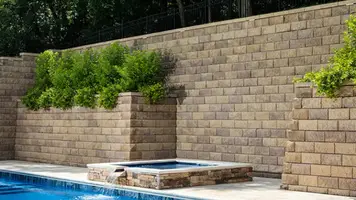
Custom seating walls, hardscapes, and retaining wall backdrops
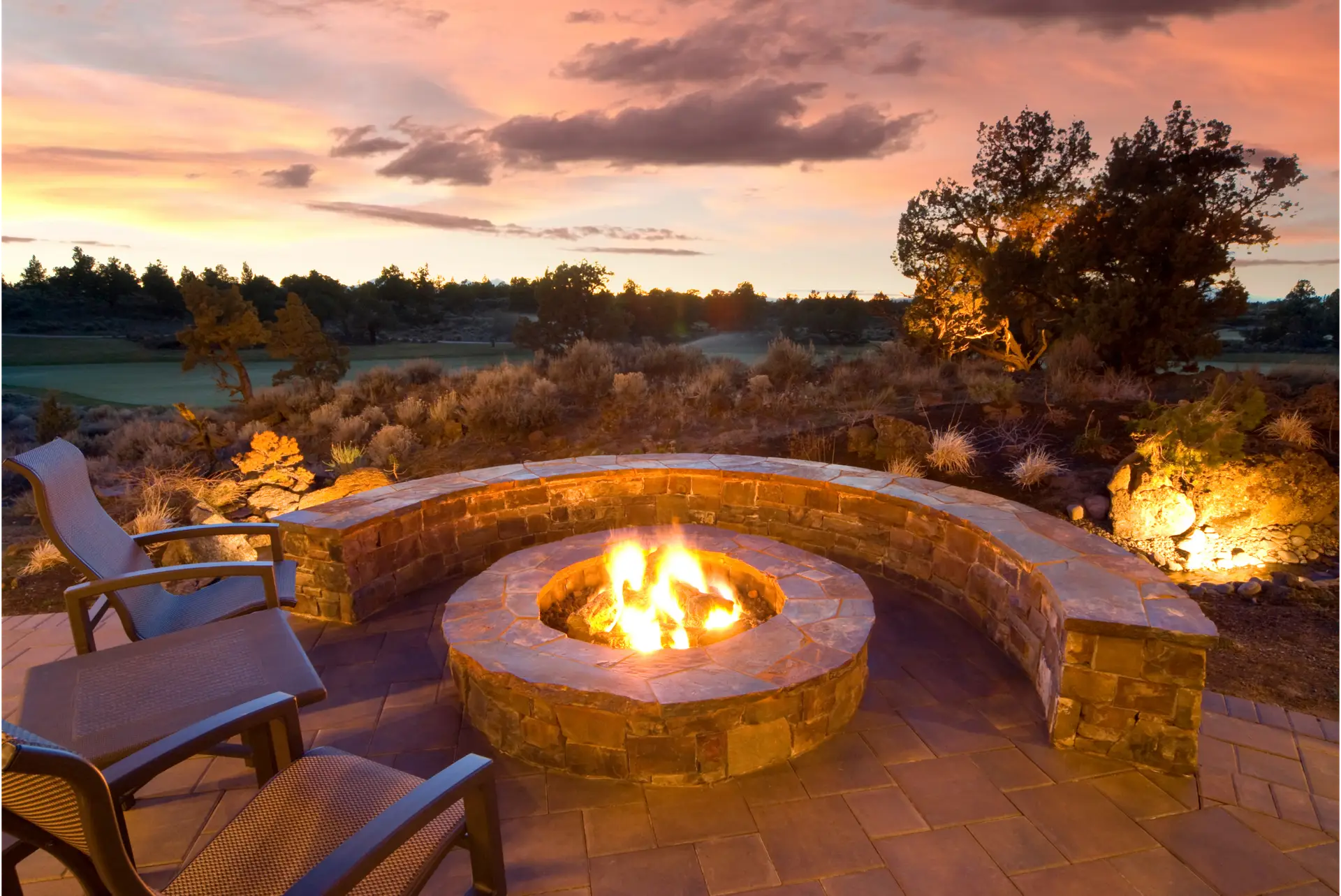
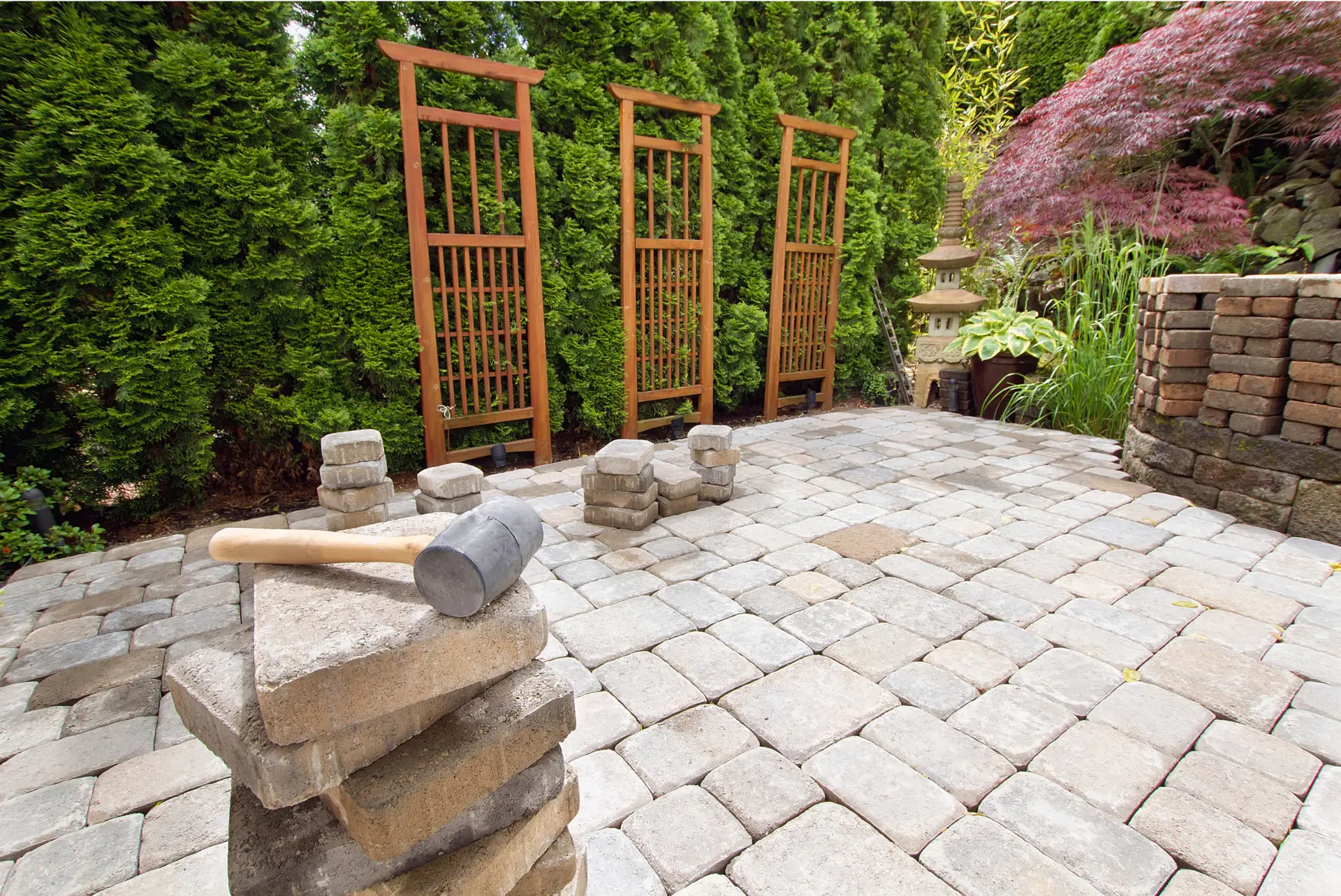
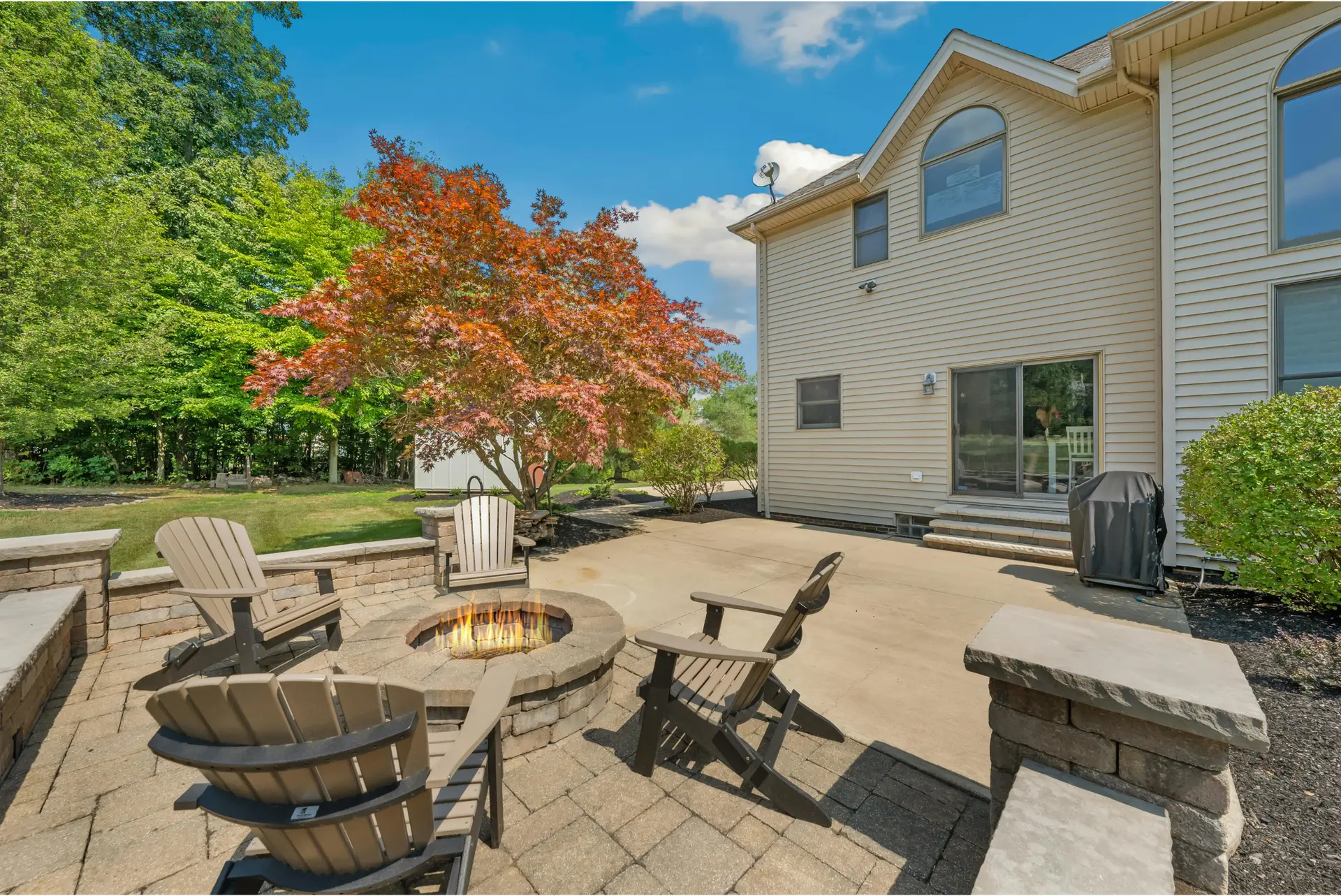
Build permanent seating walls to define the gathering circle and reflect warmth back to guests. Use pavers or stone that stand up to embers and make ash cleanup simple.
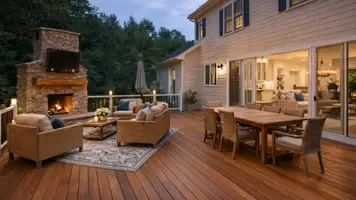
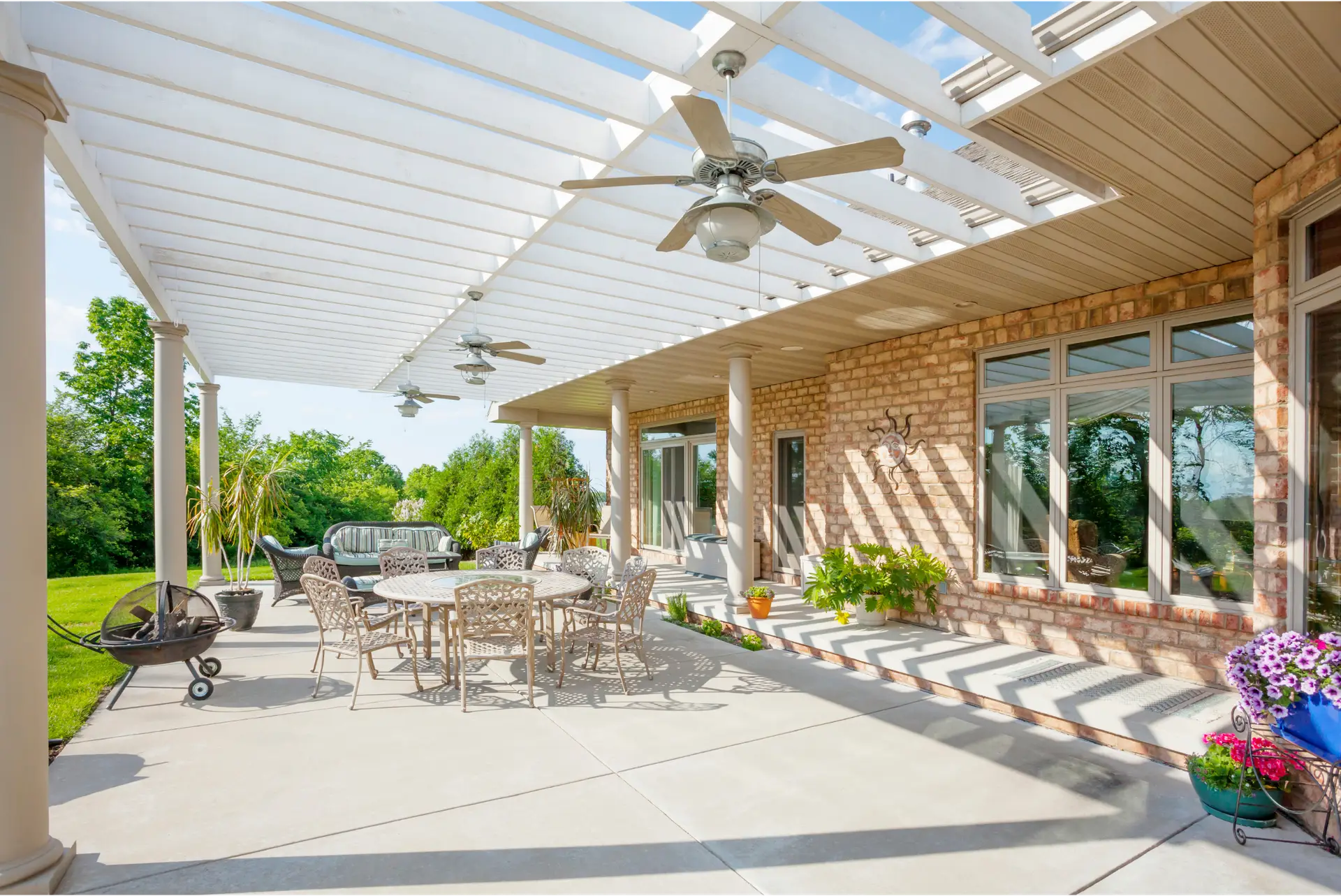
Deck and patio builds with safe fire pit zones and airflow
Create a dedicated zone on decks and patios with proper shielding beneath and around the unit. Keep open air pathways under and around the base so the smokeless fire maintains clean airflow.
Outdoor kitchens and landscape lighting to complete the space
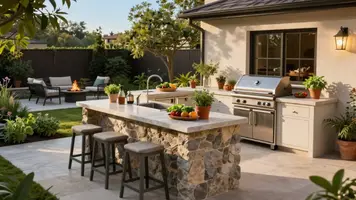
Add an outdoor kitchen near the social zone for easy prep and fuel storage. Plan low-voltage lighting to mark edges without stealing the view. Anchored Construction coordinates trades, conduit, and drainage so the overall experience stays cohesive.
With over 25 years across Knoxville and East Tennessee, Anchored Construction delivers decks, hardscape, retaining walls, outdoor kitchen buildouts, and excavation services. Call (865) 316-6933 or email Info@anchoredconstructiontn.com.
Conclusion
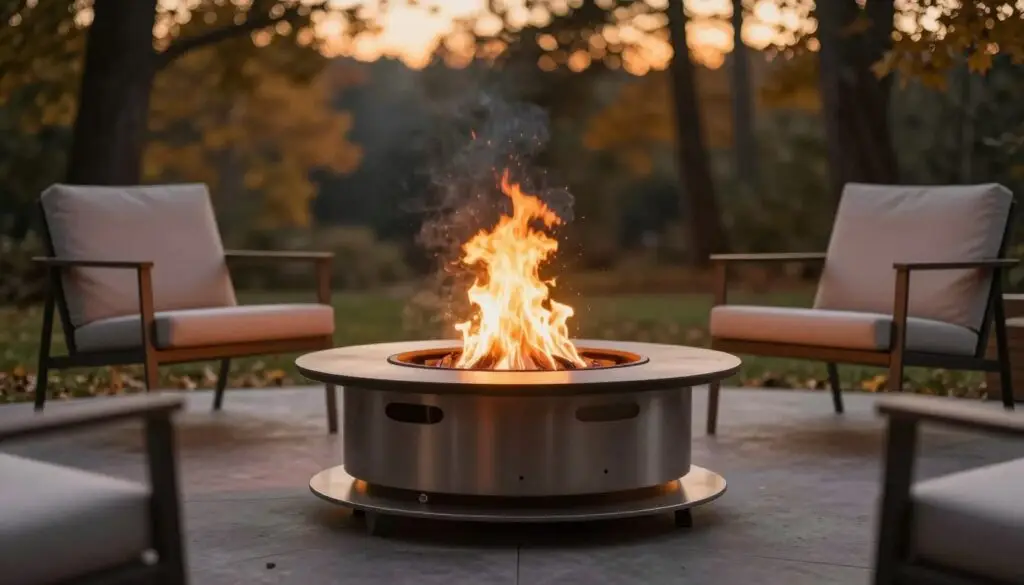
A well-designed backyard flame can give you warmth and ambiance while cutting visible smoke most evenings.
Smokeless fire pits rely on staged airflow: a base intake for the primary burn and heated rim air for secondary combustion. Use seasoned wood or compatible pellets and small, well-stacked logs to limit moisture-driven smoke. Expect a short startup plume and faster fuel use during hotter burns.
Design choices matter. Solid steel chambers, clear air paths, and good placement keep combustion steady and reduce the amount smoke guests see. For Knoxville projects, Anchored Construction & Restoration tailors layouts, pads, and hardscape to protect structures and preserve airflow.
Ready to create a cleaner, safer gathering space? Call (865) 316-6933 or email Info@anchoredconstructiontn.com for a quick consultation and plan that fits your yard and budget.