Can a worn driveway gain new life without a full tear-out? That question matters to any homeowner who wants better curb appeal and a durable surface on a budget.
Anchored Construction & Restoration has served Knoxville and East Tennessee since 2000. Led by Travis Bullington, the team brings over 25 years of hands-on experience to every project. They explain a clear, step-by-step process so you know what to expect before work begins.
When the slab remains structurally sound, a thin overlay can improve appearance and extend service life. Paint is not the answer; use concrete-specific overlay products and aim for a CSP 1-2 profile after cleaning and light etching. Curing windows run 24–48 hours for light use and about seven days before vehicle traffic.
This guide outlines practical options for finishes and textures. It also clarifies when replacement is the wiser choice. Anchored’s local experience matters in East Tennessee weather and soils, and the team coordinates access, protection, and schedules to keep the project tidy and on track.
Key Takeaways
- Anchored Construction offers local expertise and full service for outdoor projects.
- Overlays work when the slab is sound and improve appearance and lifespan.
- Use concrete-specific products; avoid simple paint that peels.
- Proper prep targets CSP 1-2 for thin overlays after cleaning and etching.
- Expect short curing windows for light use and about a week before vehicles.
Why driveway resurfacing boosts durability and curb appeal
Targeted overlays correct wear and restore a uniform appearance while avoiding full replacement. Anchored Construction & Restoration draws on decades of local experience to match products and techniques to East Tennessee weather.
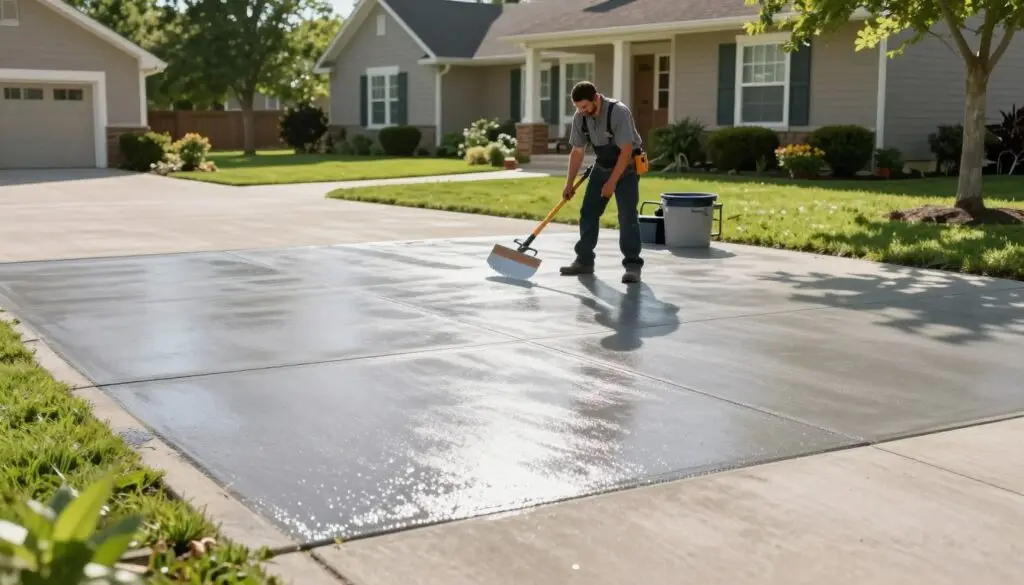
Common problems resurfacing solves
Driveway resurfacing covers widespread issues like cracks, pitting, discoloration, small potholes, and a crumbling top layer. Freeze-thaw cycles, poor drainage, and heavy loads cause many of these failures here.
Overlays create a tougher wear layer that seals out water. That reduces new surface damage from turning, braking, and parked vehicles.
Resurfacing vs repainting
Paint and basic coatings often peel on a concrete driveway. Hot tires, UV, and moisture break the bond, so paint flakes away within seasons.
Use purpose-built products instead. Decorative options such as spray textures, microtoppings, and stampable overlays both hide past repairs and add non-slip texture. The result is improved curb appeal and a long-lasting look without a full tear-out.
- Restores worn surfaces and masks patchwork.
- Improves durability by sealing and adding wear resistance.
- Provides design options to enhance curb appeal.
Assess your concrete surface: overlay suitability vs full replacement
A careful condition check tells whether an overlay will bond or if full replacement is the safer choice. Anchored Construction & Restoration inspects each Knoxville property and explains findings so you can decide with confidence.
Green lights for resurfacing
- Stable slab: No heaving or settling and only surface-level wear.
- Repairable cracks: Small cracks and spalls that respond to standard repair methods.
- Manageable contamination: Oils or sealers that can be removed by cleaning and profiling.
- Proper profile: Thin overlays need a light CSP 1-2 to bond well.
Red flags that warrant tear-out
- Moved panels: Differential settlement, root lift, or hollow spots that show structural failure.
- Excessive water transmission: High moisture readings or poor drainage that can cause debonding or blistering.
- Heavy contamination: Adhesives or stains that resist cleaning and prevent adhesion.
- Widespread full-depth damage: Areas where the top layer has failed through to the base.
Anchored documents findings, maps work areas, and recommends localized repairs or full-slab replacement. The contractor sets expectations for schedule, access, and weather windows so the chosen solution fits your goals and budget.
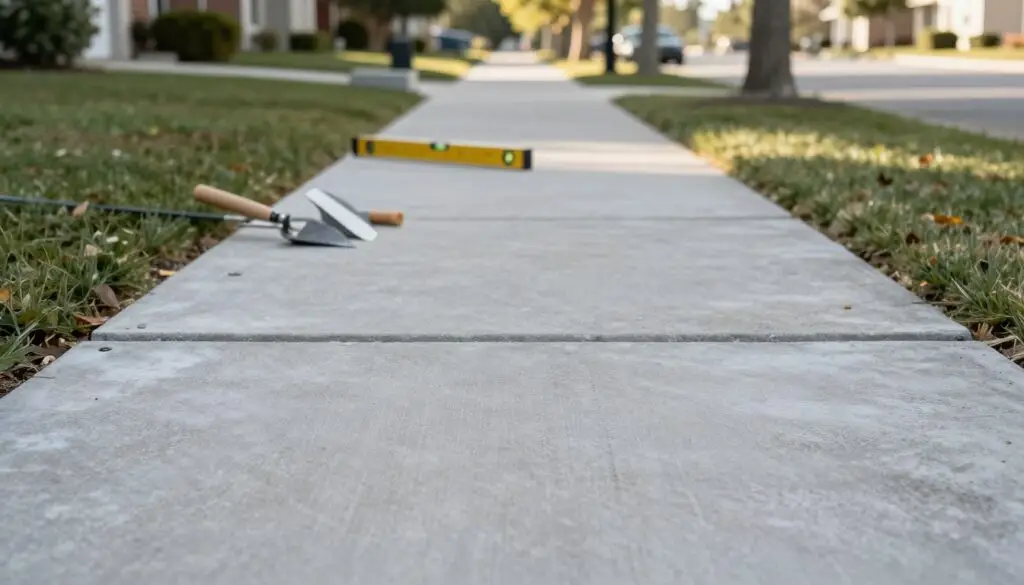
Tools, materials, and safety for resurfacing concrete
Professional tools and sensible precautions help overlays bond and last. Anchored Construction & Restoration equips crews with quality gear and safety supplies to protect your property and speed work.
Essential tools
Pressure washing removes loose debris and old contaminants. A wire brush or crack chaser opens and cleans fractures. Hand tools—trowels, a floor squeegee, and a broom—finish texture and edges.
Materials that matter
Choose crack filler and patching materials that match the substrate. A bonding agent primes the surface so the overlay bonds, not peels. Include a compatible sealer in the plan to protect the final product.
Mixing and PPE
- Use buckets and a paddle mixer on a low-speed drill for a lump-free “pancake batter” consistency. Do not mix by hand.
- PPE is required: gloves, eye protection, and a respirator or dust mask for cutting and mixing.
- Protect nearby planting and slabs from splatter with plastic and tape to keep jobsite debris contained.
Anchored Construction & Restoration standardizes tools and material choices so each driveway gets a consistent system and a shorter downtime.
Surface prep and crack repair that make overlays last
Long-lasting overlays begin with a clean, profiled surface and careful crack repairs. Anchored Construction & Restoration follows industry steps that match Knoxville weather and traffic.
Deep clean and degrease to remove dirt, oils, and old coatings
Deep cleaning removes oil, tire marks, dirt, and old sealers that block adhesion. The crew uses detergents and a pressure washer and confirms rinse water runs clear.
Degreasing repeats until contaminants lift from pores, not just the top. This helps the overlay lock into the concrete surface.
Open, clean, and fill cracks for a stable base
Cracks are routed, vacuumed free of debris, and filled with compatible repair materials.
Proper crack prep reduces the chance hairlines show through before the new finish cures under daily loads.
Create the right profile (CSP 1-2 for thin overlays)
The team targets CSP 1-2 using eco-friendly etching or light mechanical methods to build a uniform microtexture. After profiling, surfaces are rinsed, low spots cleared of water, and a bonding agent is applied per directions.
- Sequence each step so the substrate is clean, sound, and evenly textured.
- These methodical steps directly improve longevity and performance of the overlay on your driveway.
how resurface concrete driveway step-by-step
A planned workflow helps crews blend edges and maintain even thickness for the entire surface. Anchored Construction & Restoration stages tools and materials so the steps flow without delays. This reduces cold joints and ensures a uniform finish.
Mix to “pancake batter” consistency for even application
Mix the overlay with clean water using a paddle mixer on low speed. Aim for a pourable pancake-batter that self-levels but holds texture.
Place and spread overlay in small sections for uniform thickness
Apply material in manageable sections so thickness stays consistent. Keep edges wet and blend each area into the next to avoid visible seams.
Edge, trowel, and broom for a non-slip finish
Use hand trowels to sharpen borders and feather transitions at aprons and drains. Finish with a light broom pass in a single direction for consistent texture and slip resistance.
Pro tip: batch blending for consistent color across the driveway
- Combine batches for larger projects to avoid shade shifts.
- Monitor sun, wind, and surface temperature and adjust water and working time as needed.
- Protect the new surface from sprinklers and rain; restrict foot traffic for 24–48 hours and vehicle traffic for about seven days.
Anchored Construction & Restoration communicates each step and posts barriers and signage to keep the project safe. Their methodical approach delivers a durable texture and a professional finish you can trust.
Resurfacing options: textures, overlays, and decorative finishes
Decorative overlays offer many ways to change a plain slab into a tailored surface that suits your home’s style.
Anchored Construction & Restoration helps homeowners weigh options and pick the right product for exposure, slope, and maintenance needs. Choices range from thin spray mixes to thicker stampable systems that add real relief and character.
Spray texture, microtoppings, and stampable overlays
- Spray textures give a light, non-slip feel and stay cool underfoot. They work well on slopes and high‑use entries.
- Microtoppings create a smooth, modern look without raising thresholds or changing transitions.
- Stampable overlays go up to about 1/2 inch and mimic stone, slate, or brick for a dramatic, custom appearance.
Stains, dyes, and patterns that hide imperfections
Color options include integral pigment, stains, and dyes. Mixing tones softens the final look and helps mask small flaws left after prep.
Scoring or stenciling can turn existing cracks into intentional joints. A compatible coating and sealer then lock in color and protect the surface.
Anchored samples finishes on-site and explains care needs, so you understand resealing schedules and cleaning before committing to a final finish.
Curing, foot traffic, vehicle use, and sealing
Curing is the quiet step that protects a new surface and sets realistic access times for homeowners. Anchored Construction & Restoration provides clear timelines and site controls so you know when to return to normal use.
Timeframes and access
Allow 24–48 hours before light foot traffic. Wait about seven days before vehicle use on the finished driveway. Weather affects cure time, so crews monitor temperature and humidity and extend protection when needed.
Sealers for longevity
A compatible sealer guards against stains, freeze‑thaw, and water intrusion. Sealer application improves appearance and helps the finish shed tire marks and road grime. Reseal on the schedule Anchored recommends for your finish and exposure.
Routine maintenance
- Sweep debris and rinse with a hose to remove loose dirt.
- Use pressure washing sparingly to lift stubborn buildup without harming the surface.
- Choose non‑abrasive cleaners and spot‑clean chemical spills promptly to protect color and texture.
- Anchored provides written care instructions and periodic inspections to keep driveways performing in East Tennessee.
Project costs, timelines, and why Knoxville trusts Anchored Construction
Knowing typical price ranges and timeframes removes guesswork from planning a driveway update. Professional concrete resurfacing commonly ranges from about $3 to $10 per square foot. Final cost depends on size, surface condition, repair needs, and the finish you choose.
A standard two‑car concrete driveway near 600 sq ft often runs between $1,800 and $6,000. Decorative options and extensive prep push estimates toward the top of the range.
- Timeline: Site prep, application, and cure usually finish in days with good weather.
- Cure guidance: 24–48 hours for foot traffic; about seven days before vehicle use.
- DIY vs contractor: DIY can lower labor cost but raises risk of uneven surface and shortened lifespan. A contractor brings tools, trained crews, and product consistency.
Anchored Construction & Restoration has served Knoxville since 2000. Led by Travis Bullington, the team brings more than 25 years of experience to every project. Call (865) 316-6933 or email Info@anchoredconstructiontn.com to schedule an estimate and discuss options for your surface.

Conclusion
A targeted overlay system gives solid value when the slab beneath remains stable and sound. Proper assessment, CSP 1-2 profiling, and the correct products set the stage for a uniform finish that resists seasonal damage.
Mixing to a pancake-batter consistency and applying material in small sections helps achieve a consistent look. Finish with a broom texture, allow 24–48 hours before foot traffic, and wait about seven days before vehicle use.
Final sealing with a compatible sealer protects the surface from water and stains and eases maintenance over time. Careful attention to edges, drains, and cleanup of debris ensures a polished presentation across all areas.
Anchored Construction & Restoration has served Knoxville since 2000. Call (865) 316-6933 or email Info@anchoredconstructiontn.com to plan the next step and schedule work in the best weather window.