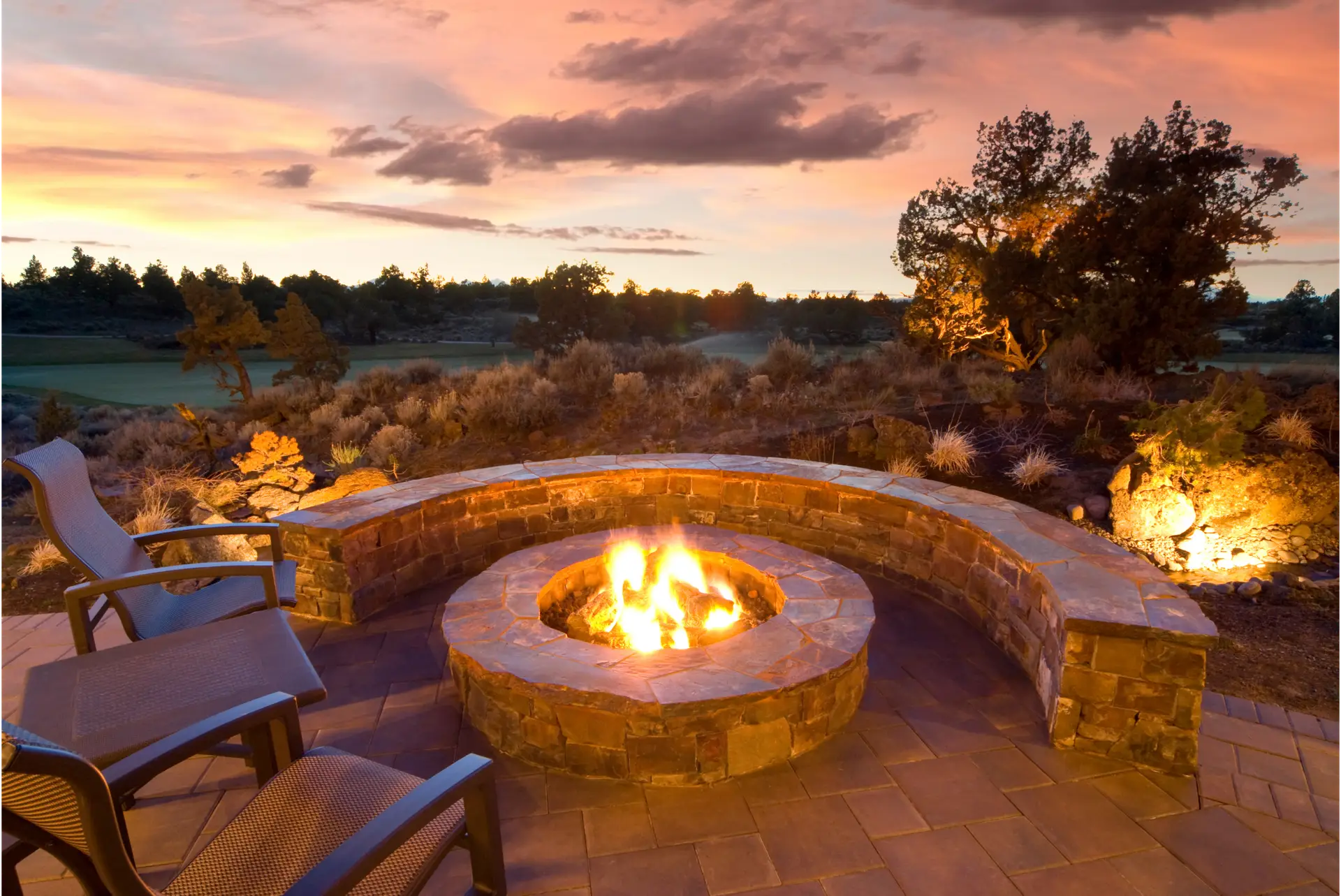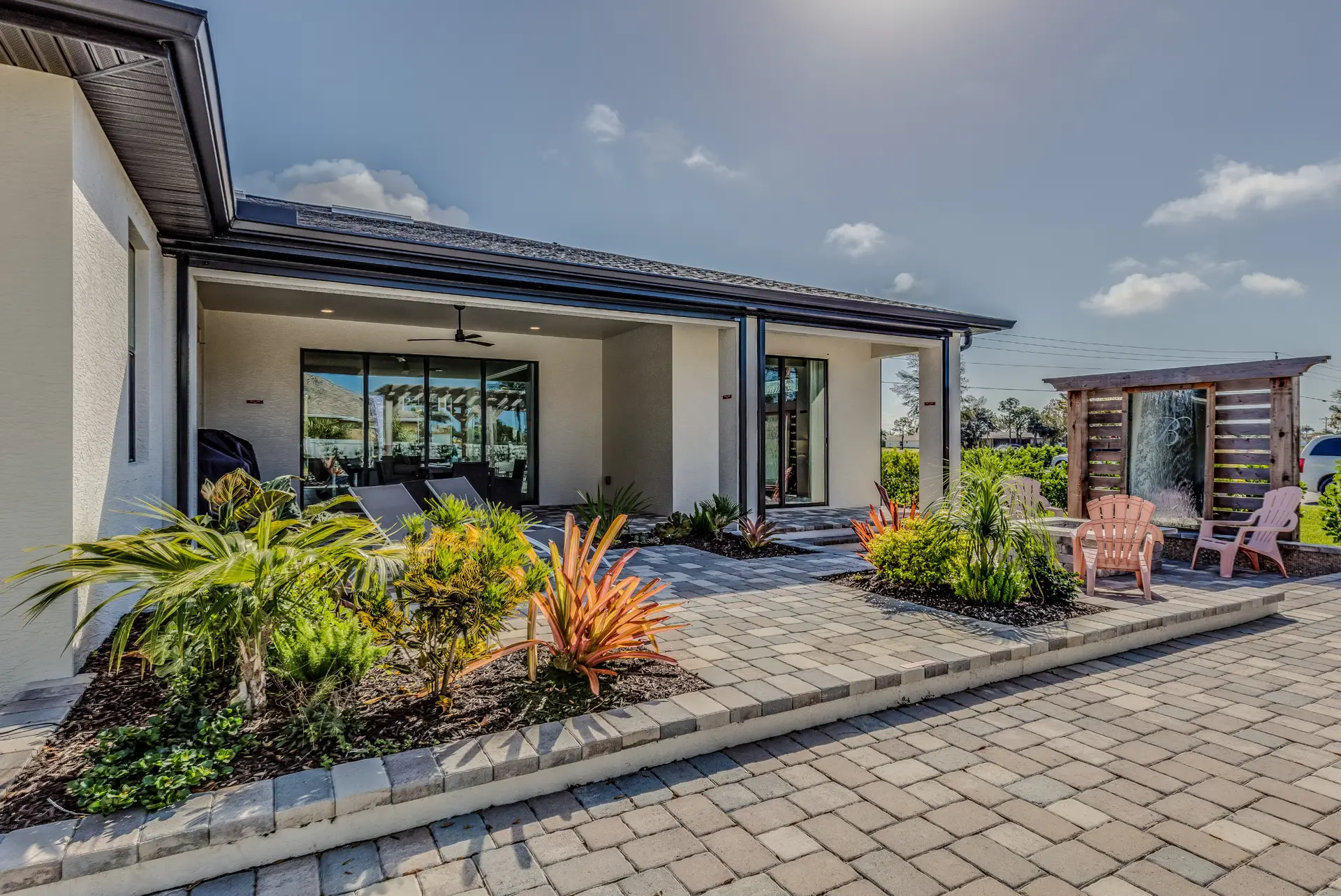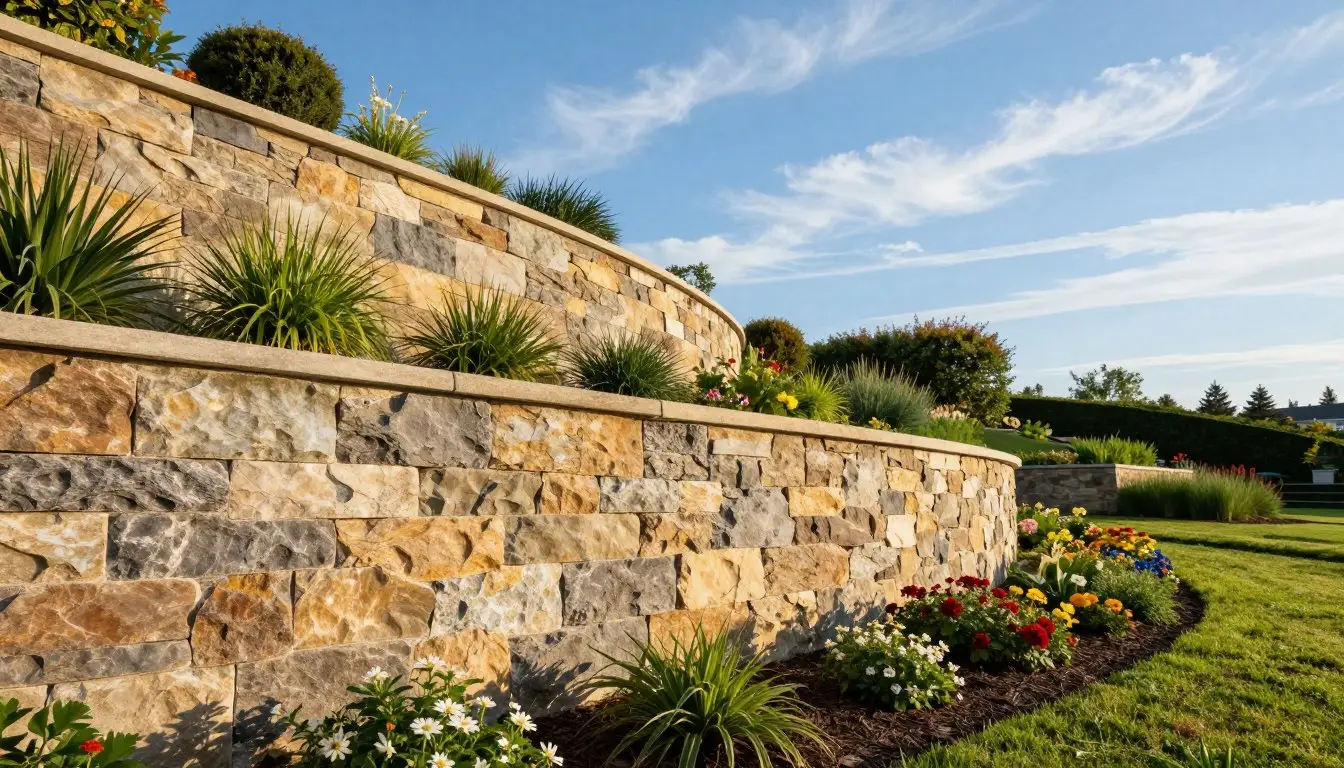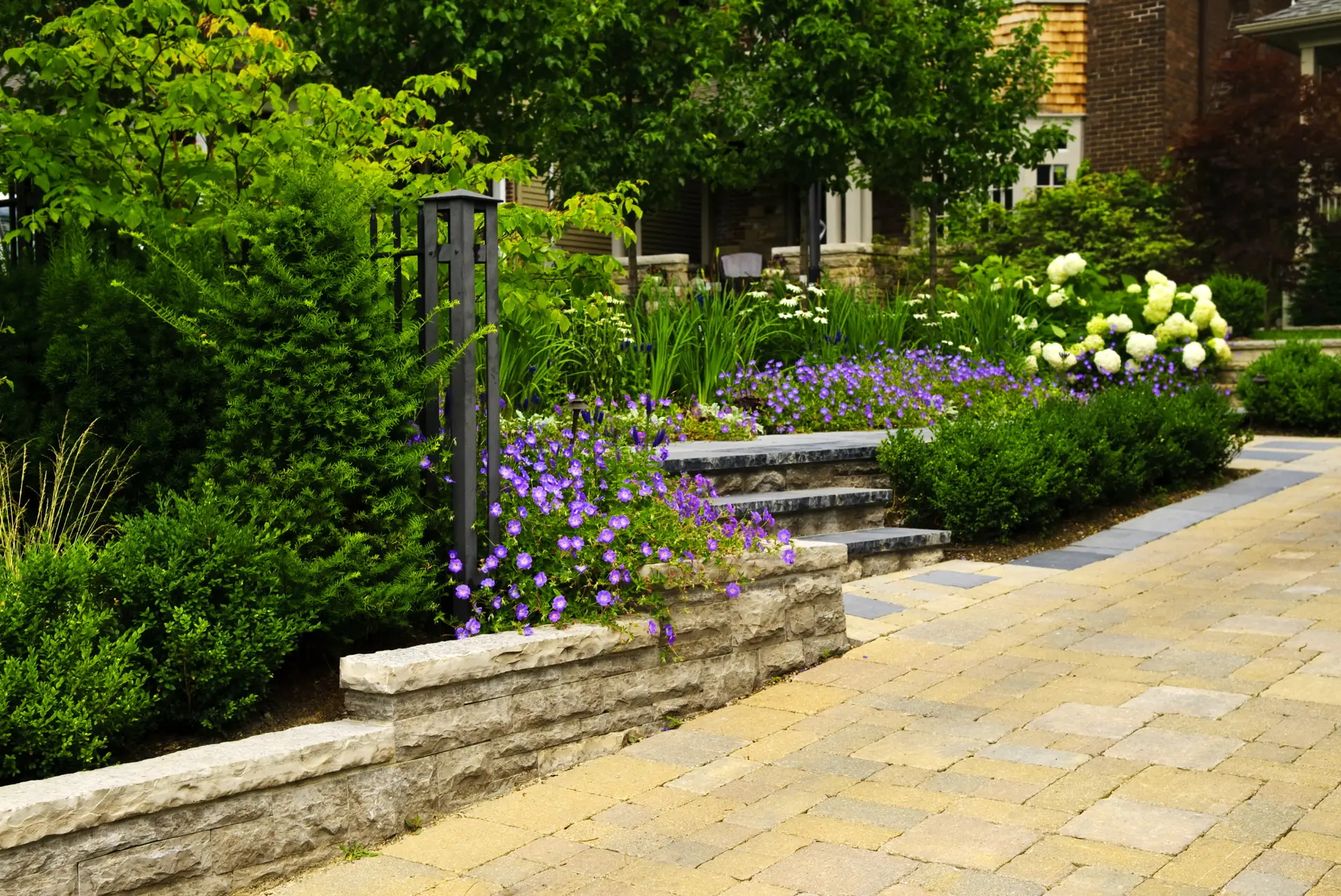
Curious which hardscape choice gives more value for a patio or driveway? This question challenges common assumptions and guides your next home project decision.
Anchored Construction and Restoration has served Knoxville and East Tennessee since 2000. Led by Knoxville native Travis Bullington, the team brings over 25 years of experience. Homeowners can call (865) 316-6933 or email Info@anchoredconstructiontn.com to discuss designs and budgets that fit their space.
This introduction frames the core trade-offs. You will learn initial price ranges and the reasons behind them. The piece compares installation time, durability, maintenance, and long-term investment. It also highlights how local weather and soil affect outcomes.
Expect clear guidance that helps you match look, budget, and use. Anchored Construction explains repair realities and offers site visits to translate numbers into a real plan for your home.
Key Takeaways
- Initial cost differs by installation method and labor intensity.
- Durability and maintenance affect lifetime value.
- Local climate in Knoxville shapes performance and repairs.
- Design options influence the final look and usability.
- Anchored Construction provides local estimates and site guidance.
Stamped Concrete vs. Pavers at a Glance: What Homeowners Actually Compare Today
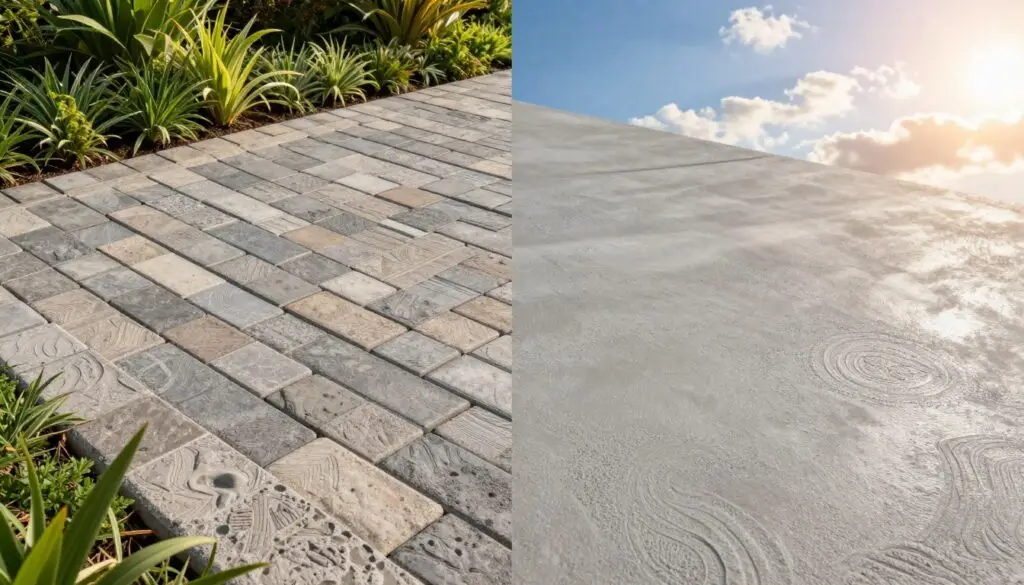
A quick side-by-side look helps you see how cost, look, and use match your outdoor plans.
Anchored Construction evaluates each option objectively. The team frames choices around patio use, maintenance needs, and timeline to enjoy the space.
Installed cost ranges overlap but follow different trends. Basic stamped surfaces often sit in the high single digits to high teens per square foot. Precast pavers commonly run from the high single digits up toward $20 per square foot.
- Homeowners compare price per patio, time to use, durability, and repair ease.
- Stamped finishes can mimic stone or brick for a unified appearance and patterns.
- Pavers arrive set in shapes and hues; they open to foot traffic immediately.
- Maintenance differs: joint sand for pavers; periodic resealing for stamped surfaces.
- Repairs: pavers allow local replacement; slab repairs may be more visible.
Consider how you use the space—lounge, grill, dining, or light vehicle access—to guide the best option. A short site visit will factor in access, slope, and drainage so Anchored Construction can recommend the right fit.
Is stamped concrete cheaper than pavers
Most homeowners begin by comparing per-square-foot numbers for each material. That simple view reveals typical installed ranges and why they overlap in some cases.
Upfront price per square foot: typical ranges from trusted industry sources
Typical installed price for stamped concrete runs roughly $8–$18 per square foot for basic to moderate work. In some regions, more detailed patio patterns push ranges to $15–$22 per square foot.
Concrete pavers commonly range about $7–$20 per square foot. Complex paver patios can climb to $25–$50 per square foot when access, slope, or detail increases labor and materials.
Why labor drives cost: hand-set pavers vs. poured and stamped concrete
Labor makes a big difference. Paver installation is unit-by-unit over a compacted base. That handling raises costs for tight or curved layouts.
A poured slab is placed once and then textured, which cuts handling time. That efficiency often lowers the overall price per square.
Patios, driveways, and walkways: how project type shifts the per-square-foot cost
- Patios show wide price spread due to borders and patterns.
- Driveways need thicker sections and stronger base prep.
- Small walkways can cost more per square because setup time stays similar.
Budgeting smart: mixing stamped fields with plain concrete to save
Anchored Construction can tailor a budget by combining a decorative border with larger plain slab fields. That approach keeps curb appeal while controlling the overall cost.
Installation and Timeline: Speed to Use, Site Prep, and Curing
Timeline and groundwork play a big role when scheduling a patio or driveway project. Anchored Construction manages end-to-end installation, from excavation through final cleanup, to limit disruption and keep the work on schedule.
Subgrade preparation
Site prep follows the same basic rules. Excavation, grading, and a compacted base are essential for long-term performance. Proper subbases reduce settlement and future repairs.
Time to traffic
The placement process diverges next. Pavers are set unit-by-unit and joined with sand or polymeric sand. They often open to foot or vehicle use right away.
Poured concrete needs curing. Plan for about 24 hours before foot traffic and roughly seven days for vehicle traffic. This protects the slab while strength develops.
Complexity factors
- Narrow access, steep slopes, and intricate patterns add labor and extend installation time.
- Expansion joints help control cracking for poured slabs; edge restraints and base support do that for pavers.
- Polymeric sand reduces joint washout and weed growth, lowering future maintenance.
Anchored Construction coordinates crews and equipment to meet agreed timelines and communicate staging, weather impacts, and protection during cure periods.
Durability, Maintenance, and Repairs Over the Years
A material’s reaction to weight and weather defines future maintenance and repair needs.
Strength matters: poured slabs normally reach about 3,000–4,000 PSI while individual units often exceed 8,000 PSI. Higher PSI resists point loads and heavy use on driveways.
Cracking versus flexing
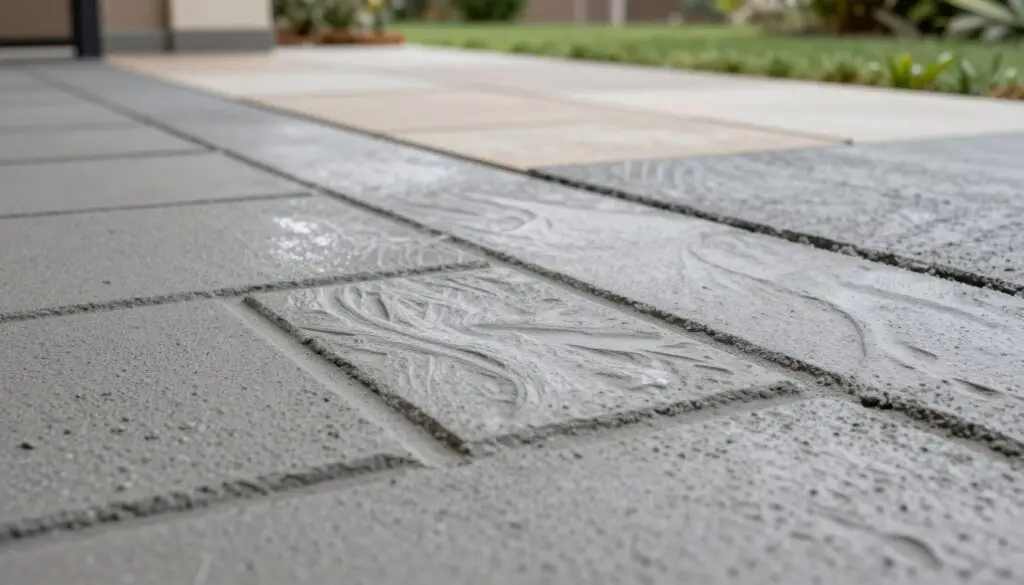
Continuous slabs can develop visible cracks when soil shifts or freeze cycles occur. These cracks may need patching and can be hard to hide on decorative surfaces.
Pavers flex with the base and allow spot repairs. Lift, reset, or replace a unit without large-scale work or color mismatch.
Ongoing care
Maintenance differs by surface. Reseal decorative slabs every 2–3 years to protect color and finish. Replenish joint sand on pavers on a similar cadence; polymeric sand reduces washout.
- Localized repairs keep long-term costs down for pavers.
- Slab fixes can be visible and may raise overall costs later.
- Anchored Construction will recommend PSI, base depth, and joint materials for your patio or driveway.
Design, Appearance, and Safety: Achieving the Look and Performance You Want
Your home’s style and how you use a patio shape the best choices for patterns and colors. Anchored Construction helps pair textures and hues to your architecture while keeping safe footing on slopes and near water.
Patterns and colors
Stamped concrete can mimic natural stone or wood with seamless texture and layered color. That makes a unified appearance without grout lines.
By contrast, concrete pavers arrive with set colors and sizes for crisp, modular patterns. Brick-style layouts give classic curb appeal.
Surface performance
Smooth decorative slabs may become slippery when wet. Textured skins, broomed finishes, or textured pavers improve traction around pools and on sloped walks.
- Deep customization with multiple color steps and pattern options.
- Consistent modules for clean lines and classic looks.
- Border bands and contrasting tones to define patio zones.
- Prioritize slip resistance and drainage where water collects.
- Anchored Construction advises on finishes that balance appearance and safety.
Knoxville & East Tennessee Factors: Climate, Soils, and Project Fit
Choosing the right surface begins with site-specific weather and ground conditions. Local winters bring freeze and thaw cycles that stress any slab or unit over time.
Local weather and terrain: choosing the right surface for your space
East Tennessee has rolling hills and pockets of expansive soils. That makes base compaction and drainage critical to long life.
Pavers let units be reset when movement occurs. That can reduce repair time on slopes or shifting ground.
Concrete slabs need careful joint layout, reinforcement, and a stable subgrade to minimize visible cracks.
Anchored Construction guidance: aligning budget, look, and long-term value
Anchored Construction evaluates access, grading, and runoff for each project. The team balances cost, appearance, and durability for your space.
- Assess site slope and soil to set base depth and drainage.
- Match surface texture to patio and driveway traction needs.
- Choose natural stone looks based on site condition and budget.
Founded in 2000 and led by Travis Bullington, Anchored Construction guides homeowners toward the best material choice for lasting value.
Work With Anchored Construction: Local Expertise Since 2000
When a patio or driveway project matters, experienced crews make the difference in outcome and cost control.
Founded in 2000 by Knoxville native Travis Bullington, Anchored Construction & Restoration brings more than 25 years of hands-on experience. The team handles deck building, landscape work, outdoor kitchen design, hardscape installation, retaining walls, and warehouse services.
25+ years of experience across patios, driveways, hardscapes, and concrete
Seasoned field practices guide every installation. Crews manage subgrade preparation, base compaction, and finish quality to support long-term performance for both concrete and pavers systems.
Contact our Knoxville team: (865) 316-6933 – Info@anchoredconstructiontn.com
Clients receive clear scopes and detailed bids that list installation steps, base depths, and finish treatments. That transparency helps you compare materials and understand where each dollar goes.
- Benefit from decades of installation experience on patios, walkways, and driveways in local terrain.
- Expect accurate scheduling and careful staging that protect your property while work proceeds.
- The team sources materials suited to local conditions, from decorative mixes to durable edge restraints.
- In-house excavation and grading streamline prep when drainage or slope changes are needed.
- Maintenance guidance helps protect your investment with reseal cycles for concrete surfaces and joint care for pavers.
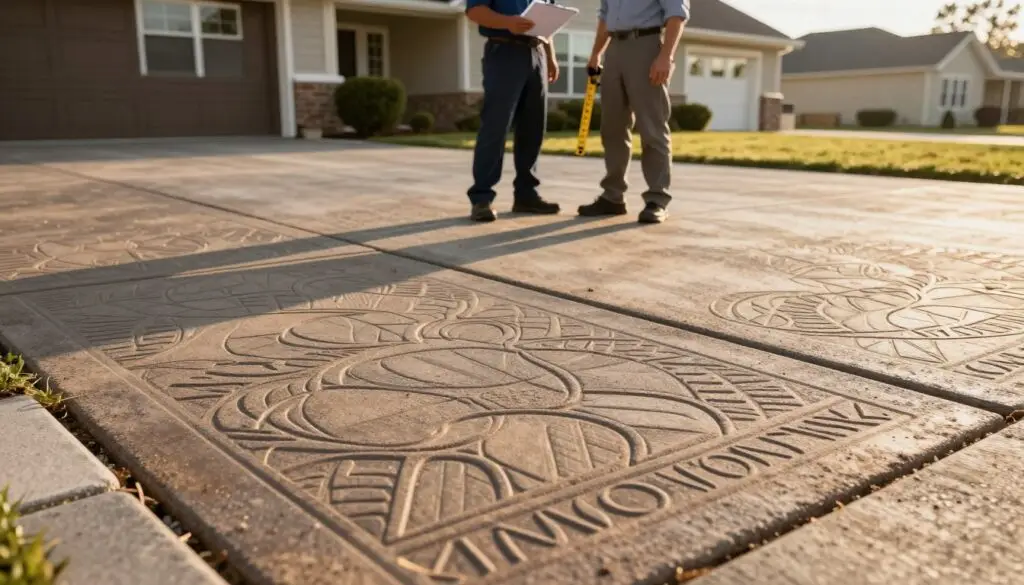
Call (865) 316-6933 or email Info@anchoredconstructiontn.com to schedule a site visit and get a tailored proposal for your next project.
Conclusion
Deciding on the best surface for your yard comes down to matching budget, use, and long‑term care. Upfront price often favors stamped concrete for many basic jobs, while concrete pavers can cost more per square foot for detailed work. Over time, pavers let you perform small repairs quickly, and slabs need resealing every few years to protect color and finish.
Anchored Construction & Restoration helps homeowners weigh costs, installation time, and maintenance to find the right option. The team can design hybrids that mix decorative borders with plain fields to control price and deliver the look you want. Ready for a site visit and a tailored estimate? Call (865) 316-6933 or email Info@anchoredconstructiontn.com.