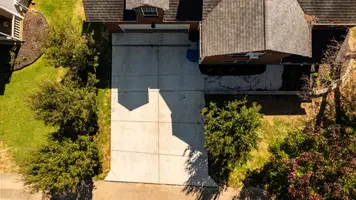
Wondering if a fresh slab is ready for cars, kids, or a heavy truck? This guide answers that question with clear milestones and local insight.
Anchored Construction & Restoration serves Knoxville and East Tennessee with 25 years of experience. The team led by Travis Bullington brings craft and outdoor passion to each job.
The full strength of a new slab develops over about 28 days. Early protection matters most. Keep people, pets, and vehicles off for the first 24–48 hours and avoid scuffing.
The guide explains the curing process, safe walk and vehicle timelines, and simple steps like wet coverings or curing compounds that help retain moisture for better durability.
Anchored Construction can review site conditions, recommend the best schedule, and help with sealing around day 28. Call (865) 316-6933 or email Info@anchoredconstructiontn.com for project help.
Key Takeaways
- The slab reaches design strength near day 28; early walking is often allowed after 24–48 hours.
- Protect the surface in the first 48 hours to preserve finish and long-term durability.
- Standard vehicles may use the area after 7–10 days; heavy loads should wait about 28–30 days.
- Ideal curing conditions are 60–80°F with moisture retention via compounds or wet coverings.
- Anchored Construction & Restoration offers local expertise to manage timing and quality.
Understanding the curing process for a new concrete driveway
Understanding what happens after a fresh pour helps homeowners protect their investment. This section explains the difference between curing and drying and why both matter for long-lasting results.
Curing is the controlled retention of moisture and heat so cement can complete hydration. That internal chemical action builds the slab’s strength over time. Effective methods include membrane-forming compounds, wet coverings, or light sprinkling to limit rapid evaporation.
Drying follows curing. It removes excess water through surface capillaries and affects surface readiness and flooring compatibility. Drying does not drive early strength gain the way hydration does.
- Keep moisture in the surface and core for uniform hydration.
- Work with a balanced concrete mix and avoid excess water at placement.
- Watch temperature and weather — ideal air range is about 60–80°F.
Anchored Construction & Restoration educates homeowners on-site so expectations are clear. Early protection helps the new slab meet design strength and resist cracking or premature wear.
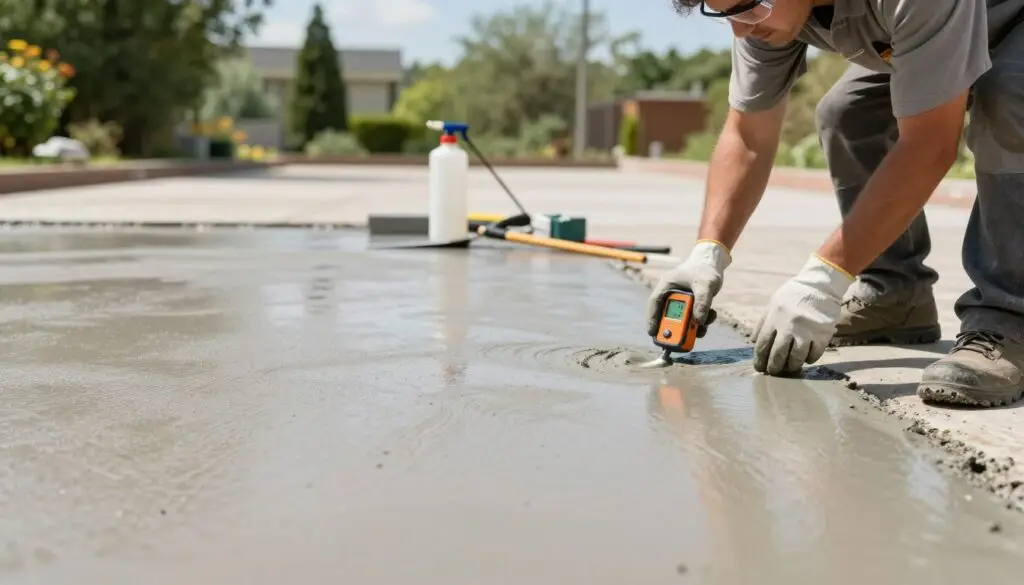
How long for concrete driveway to cure: clear timelines you can trust
Practical milestones guide safe access and reduce the risk of early surface damage. Follow these timelines so the slab gains strength without avoidable wear.
First 24–48 hours: protect the surface from foot traffic, pets, and wheels
In the first critical hours keep people and pets off the slab. Use cones and barriers. Footprints, claws, or bike tires can leave permanent marks.
Day 2–3: limited foot traffic only, no scuffing or twisting
After about two days light walking is usually okay. Avoid pivoting, running, or wheeled toys. Small hard wheels can scar the finish during early curing.
Day 7–10: standard vehicles okay, avoid edges and heavy loads
By week one the slab often reaches roughly 70% strength. Cars and light vehicles may use the area, but stay off edges. Concentrated loads can cause chipping or spalling.
Day 28: full cure—safe for heavy vehicles and ideal time to seal
Wait least 28 days before parking heavy trucks or RVs. This time frame gives full strength and is the best time to apply a sealer for lasting protection.
- Quick tips: Use barriers, extend waiting if weather is cool or windy, and avoid early traffic that may cause future damage.
- Anchored Construction sets realistic schedules and can help plan sealing. Call (865) 316-6933 or email Info@anchoredconstructiontn.com.
Key factors that affect curing time and strength gain
Several site elements play a major role in how quickly a new slab gains usable strength. Understanding these factors helps homeowners and contractors plan protection and schedule access.
Weather and temperatures
Weather and local temperatures control hydration speed. Warm, stable air in the 60–80°F range supports steady strength gain.
Wind and direct sun increase evaporation at the surface. High humidity slows surface drying but can lengthen overall post-cure evaporation.
Concrete mix design and water-cement ratio
A proper concrete mix with a controlled water-cement ratio yields better long-term strength. Extra water eases placement but weakens the surface and may extend the time before normal use.
Slab thickness, placement, and exposure
Thicker sections hold heat and moisture longer. Placement details, edge reinforcement, and exposure to sun or shade create varied conditions across the slab.
- Shield windy exposures and use curing compounds or coverings when sun or wind threaten surface moisture.
- Monitor conditions during the first week and adjust protection as needed.
- Anchored Construction evaluates site conditions in Knoxville and East Tennessee and advises on mix and timing so driveways reach intended strength.
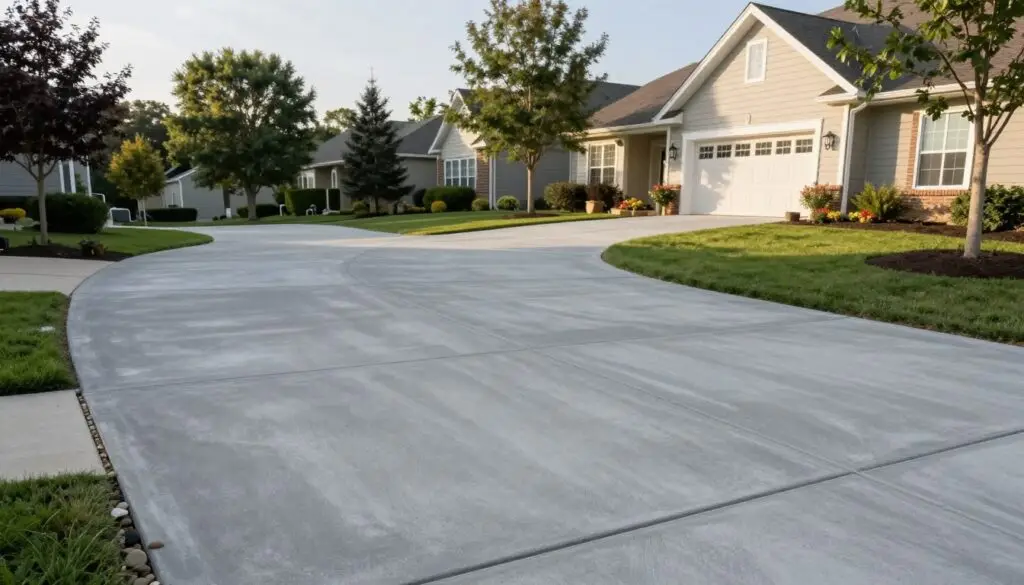
Proper curing methods and on-site best practices
A few targeted methods keep hydration steady and prevent surface damage while the slab gains strength.
Apply a membrane-forming curing compound as soon as finishing allows. This film slows moisture loss and steadies early hydration.
When sun or wind threatens the surface, use wet coverings or plastic sheeting. Continuous light wetting with a hose works where blankets are impractical.
Smart do’s and don’ts
- Schedule pours in mild temperature and stable weather to shorten risky drying periods.
- Keep edges barricaded and supported; they take the first damage from early traffic.
- Control access with cones and signs so premature cars, bikes, or toys do not scar the finish.
- Manage the mix: avoid extra water and prefer approved admixtures rather than adding water on-site.
Plan sealing at about day 28–30 after adequate drying. Anchored Construction & Restoration coordinates methods and timing with homeowners for lasting maintenance and strength.
Knoxville expertise: Anchored Construction’s guidance for your new driveway
Local conditions make a big difference when scheduling a new driveway project in Knoxville. Anchored Construction & Restoration pairs field experience with clear plans so your slab gains strength without needless risk.
Start with a local consultation: the team inspects site exposure, suggests a proper mix, and plans moisture control and edge protection. That step reduces the chance of early damage and improves long-term durability.
Start with a local consultation: Anchored Construction, (865) 316-6933, Info@anchoredconstructiontn.com
- On-site consultation to assess soil, slope, and access and recommend a final mix and water management.
- Clear timelines so you know when walking, light parking, and heavy loads are safe.
- Practical guidance on moisture retention, temporary barriers, and sealing near day 28.
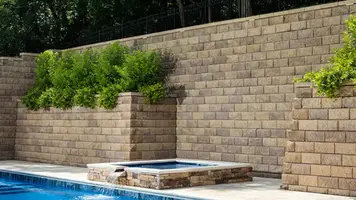
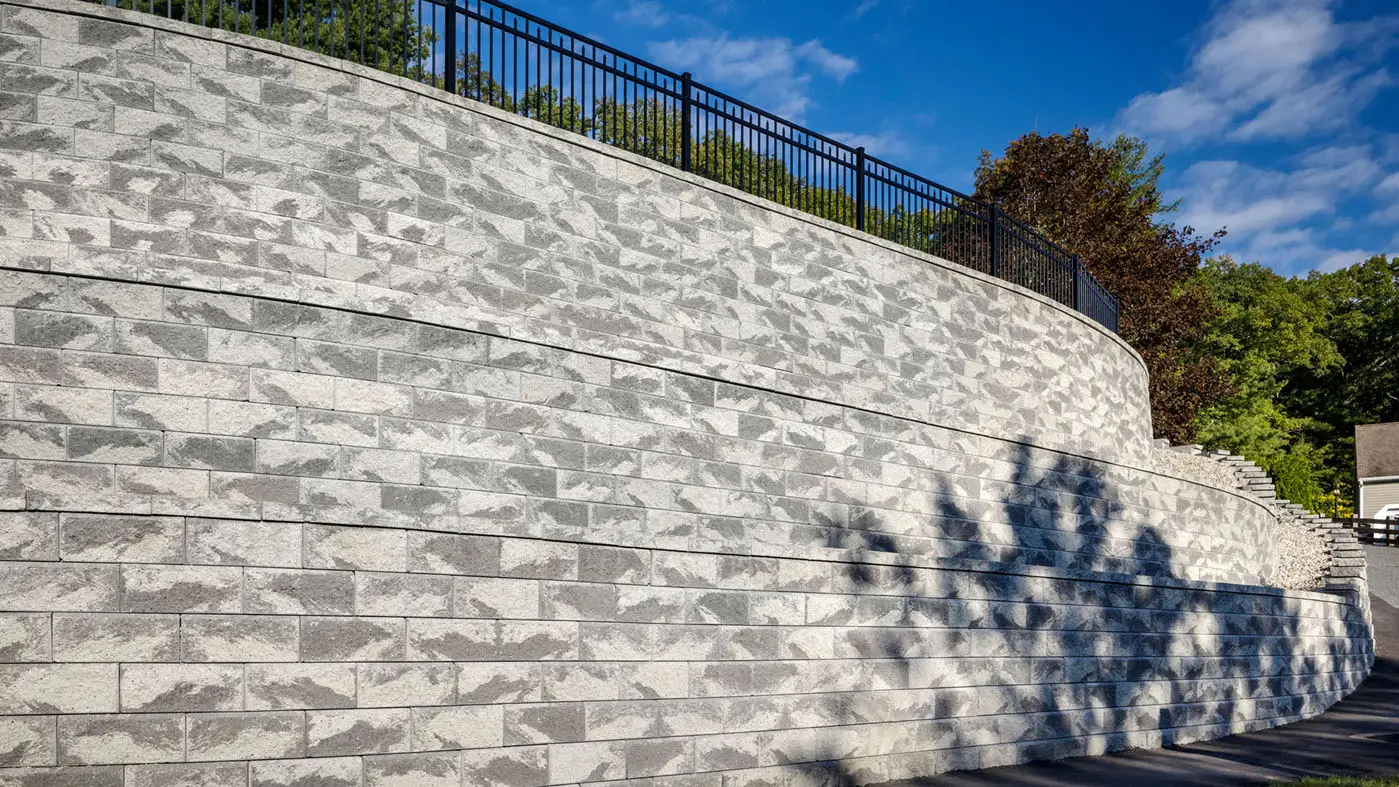
- Coordination with hardscapes or retaining walls so all elements cure together.
- Fast local response; the contractor handles installs and follow-up with reliable communication.
With over 25 years in Knoxville, the concrete contractor offers practical stewardship of each new concrete driveway project. Schedule a consultation and protect your investment from day one.
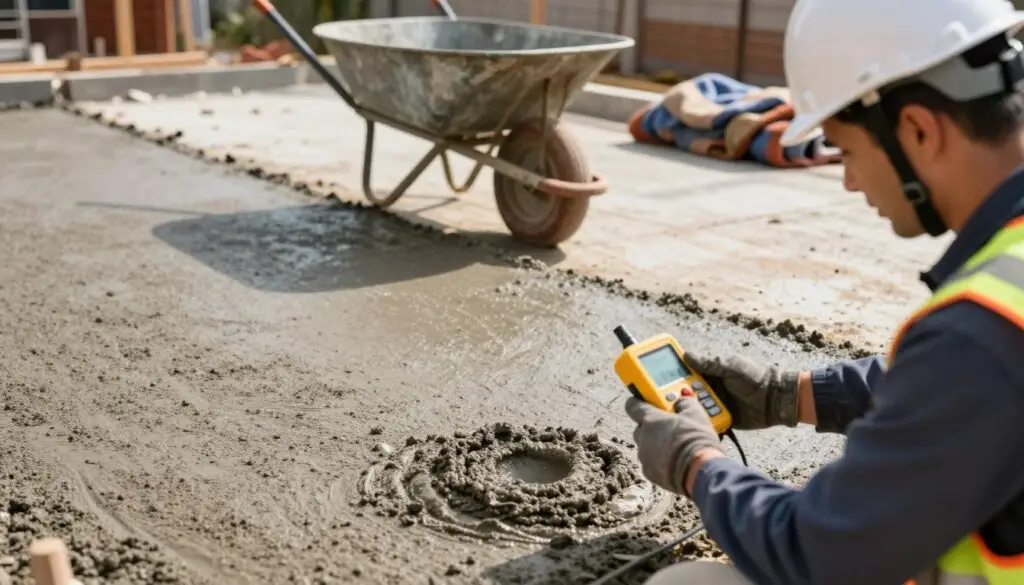
Conclusion
Following a practical timeline preserves finish and maximizes slab durability.
The curing process and proper moisture management give a new slab the best chance to meet design strength. Keep people and light foot traffic limited in the first 24–48 hours. Wait 7–10 days before cars and about 28–30 days before heavy trucks.
Maintain temperature and water at the surface with coverings or membrane compounds. Plan sealing near day 28 for added wear resistance and appearance.
Anchored Construction’s mission is to empower East Tennessee homeowners with clear guidance and quality craftsmanship. Call (865) 316-6933 or email Info@anchoredconstructiontn.com for project help and site-specific recommendations.