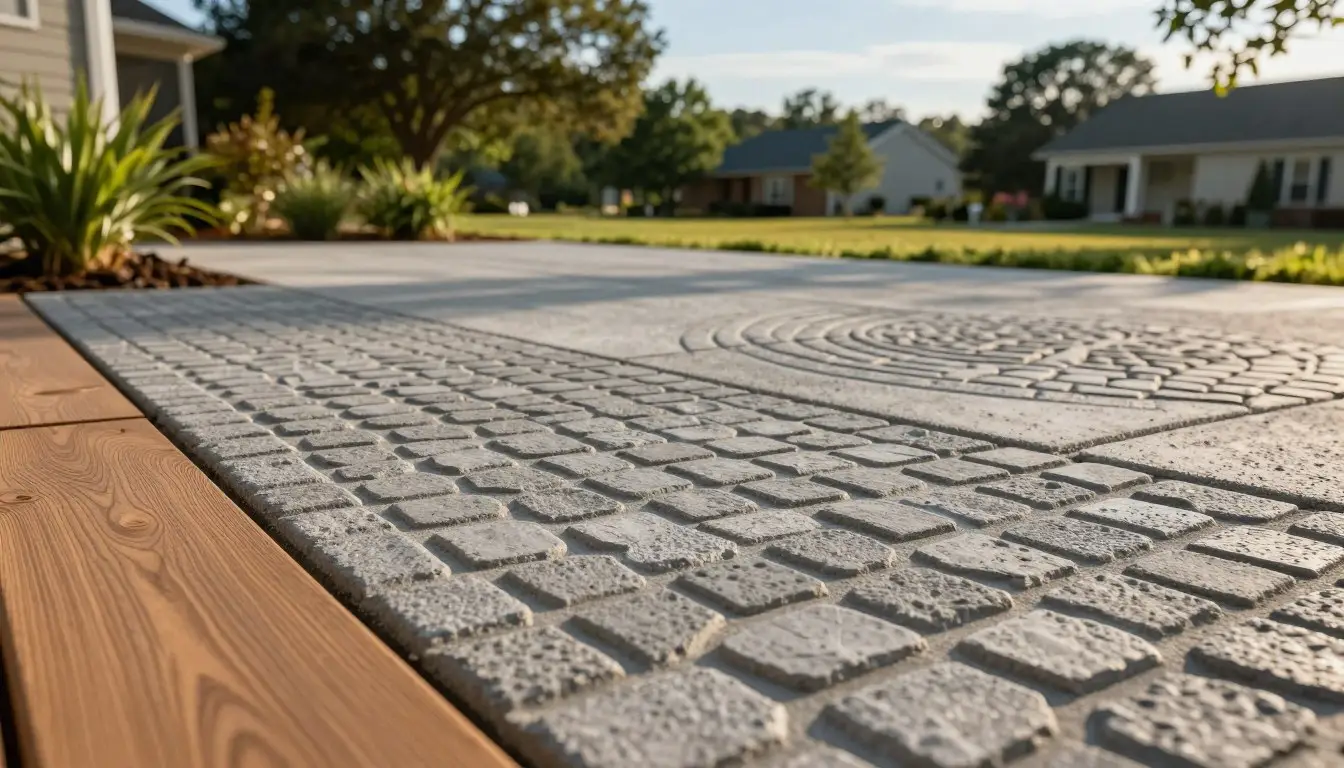
Can a simple surface step really protect your pavement for years and change the look of your home?
Anchored Construction & Restoration has served East Tennessee since 2000. Led by Knoxville native Travis Bullington, the team brings 25+ years of hands-on experience. They focus on clear communication and results that wow clients.
This guide sets expectations from planning and prep through application and curing. It explains why surface protection repels water, salts, oil, and stains while improving long-term appearance.
Readers will learn the main types of products and finish looks, the tools and safety gear needed, and the best weather windows for reliable curing. The section also previews step-by-step application tips and timelines for walk and drive use.
If you prefer a pro finish, Anchored Construction offers local, professional help in Knoxville and surrounding areas. Call (865) 316-6933 or email Info@anchoredconstructiontn.com.
Key Takeaways
- Understand the full process before buying materials.
- Protection extends surface life and appearance.
- Choose a product that matches your desired finish and durability.
- Have the right tools, PPE, and cleaning supplies on hand.
- Apply thin, even coats and respect dry weather for proper curing.
Why sealing your concrete driveway matters in the United States today
A well-chosen surface treatment can cut repair needs and keep a paved area looking fresh for years.
In East Tennessee, frequent rain, hot summers, and occasional freezes create stress on slabs. Moisture and road salts drive many common forms of surface damage. When water soaks in and freezes, cracks widen and spalling follows.
Applying the right product adds meaningful protection. Film-forming and penetrating options limit moisture entry, resist oils, and make cleanup easier. UV-resistant formulas also reduce yellowing and fading in bright sun.
- Sealing creates a barrier against water and salts that cause wear.
- Regular care extends service life in high-traffic areas and reduces staining over the years.
- Schedule work during a dry forecast, flush application equipment after cleaners, and keep deicing products off the slab when possible.
Homeowners can follow these practical tips, but professional application from Anchored Construction & Restoration ensures correct product choice, prep, and longer-lasting results in the Knoxville area.
How to seal concrete driveway: plan, products, and picking the right sealer
Begin by deciding whether you want a natural look, subtle sheen, or deeper color. That choice narrows product options and clarifies labor and budget needs.
Penetrating sealers vs. topical coatings
Penetrating sealers work inside the slab. They block moisture and deicers while leaving a matte appearance. They let vapor pass and require little visual change.
Acrylics, polyurethanes, and densifiers
Acrylic sealers create a thin film. They dry fast, offer UV resistance, and come in water or solvent versions for different sheen levels.
Polyurethane systems build thicker films. They resist abrasion and chemicals and suit heavy traffic when slabs are dry at application.
DensiCrete-style densifiers react with silica to harden the top layer. They provide long-term protection without changing the surface look.
- Define goal: natural, satin, or gloss finish.
- Match the type and prep needs to expected traffic and budget.
- Anchored Construction selects products for Knoxville homes based on desired durability and appearance.
Surface prep done right: cleaning, stain removal, and repairs before sealing
Good surface prep makes the difference between a short-lived finish and one that lasts years. Anchored Construction emphasizes safety, quality tools, and step-by-step cleaning so products bond and perform.
Tools and materials checklist
- Pressure washer or washer, surface cleaner, garden hose.
- Tank sprayer, scrub brush, paint brush, roller and frame.
- Cleaning gloves, splash-resistant goggles, spill absorber, degreaser, concrete cleaner.
Removing oil and grease
Blot fresh oil stains; do not rub. Apply cat litter or a baking soda and dish soap paste. Scrub with a stiff brush and rinse well. For older spots, try TSP or a commercial degreaser.
Paint and rust treatment
Latex paint often lifts with TSP and scrubbing. Oil-based paint may need a chemical stripper and scraping. Light rust responds to vinegar or lemon juice. Use CLR or oxalic acid for heavy stains; rinse thoroughly and wear gloves.
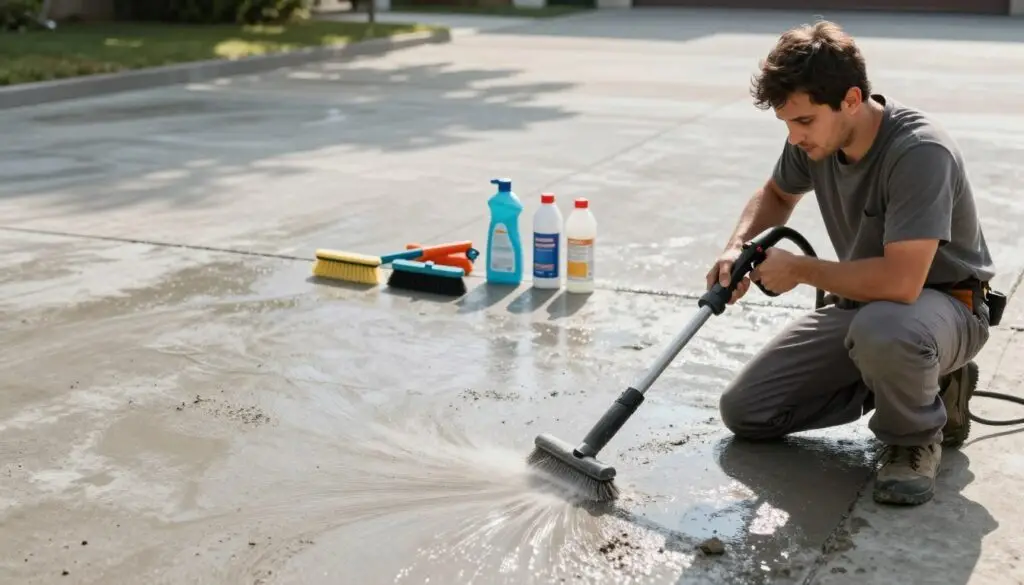
Pressure washer technique and repairs
Use a 25-degree nozzle for general cleaning and 15-degree for tough spots. Keep the wand 8–24 inches from the slab and keep it moving to avoid etching. Flush siphon lines with clean water after detergent use.
Let the slab dry 24 hours. Inspect for cracks and chips, then patch or resurface as needed before applying any sealer. Methodical prep saves time and delivers a uniform final result.
Step-by-step application: from first coat to final cure
Good timing, tools, and thin passes deliver an even finish that stands up to weather and traffic. Confirm a clear, dry forecast and temperatures above about 50°F for at least eight hours. New slabs should cure roughly 28 days before treatment.
Check the weather window
Apply when the slab is dry and no rain is expected. Keep water off the area during cure time. Cold or damp conditions lengthen dry times and risk adhesion failures.
Sprayer, roller, or brush
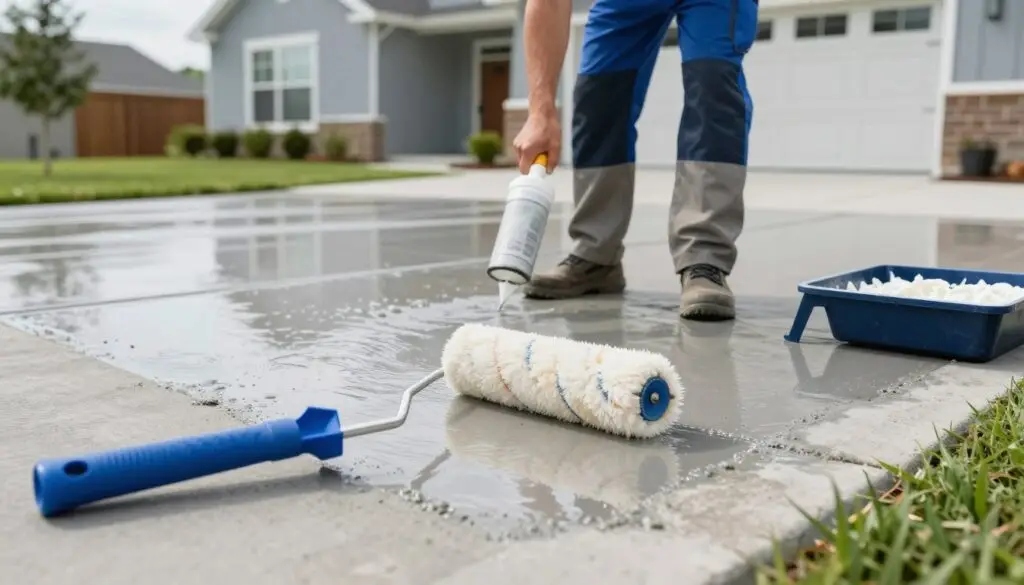
Use a tank sprayer for fast, even coverage. A roller gives control on textured areas, and a brush finishes edges and joints. Anchored Construction follows manufacturer specs for equipment and coverage.
Thin, even coverage and second coat strategy
Work from the high point outward and maintain a wet edge. Apply thin coats with overlapping passes. Remove buildup and wait the recommended recoat time, then lay the second pass perpendicular for uniform coverage.
Drying, cure, and safety
Follow label dry times for foot and vehicle use. Keep sprinklers and runoff away until fully cured. Wear splash-resistant goggles, chemical-resistant gloves, and ventilate when using solvent formulas.
- Quick checklist: confirm dry forecast, pick the right tools, apply thin coats, respect recoat and cure time.
- Pro tip: use professional sprayer and roller combos for the best finish when aiming to seal concrete driveway surfaces.
Pro tips, maintenance, and mistakes to avoid
A few practical routines protect your investment and preserve curb appeal year after year.
Salt, water, and stains: Avoid chloride-based salts during winter. Use sand or non-chloride alternatives to reduce surface scaling and long-term damage.
Wipe oil and automotive fluids quickly. Prompt cleanup prevents deep stains and preserves the surface protection. Place drip trays under leaking vehicles.
Reapplication timelines and upkeep
Products vary in longevity. Acrylics often need refreshes sooner. Polyurethane systems and densifiers last longer and resist abrasion for more years.
- Sweep and rinse regularly to remove grit that abrades the top layer.
- Inspect annually for small cracks and repair early to stop water intrusion and further damage.
- Do not over-apply maintenance coats; heavy buildup can peel or whiten.
When protection fails: Loss of water beading or stubborn stains signals a maintenance recoat. Anchored Construction & Restoration offers scheduled maintenance plans for Knoxville homeowners who prefer professional care.
Why Knoxville homeowners trust Anchored Construction for sealing and concrete services
Knoxville homeowners count on consistent results from teams that know regional conditions. Anchored Construction & Restoration began in 2000 under Travis Bullington, a South Doyle High and University of Tennessee graduate.
The team brings over 25 years of hands-on experience. That experience covers concrete work, decks, landscapes, outdoor kitchens, hardscapes, and retaining walls. They also handle commercial needs like warehouse repair, pallet racking, and excavation.
Local expertise led by a Knoxville native
Travis blends practical skills with a love for East Tennessee. He focuses on clear communication, precise prep, and efficient project management for every home project.
- Regional knowledge: soil, weather, and the best way to protect a driveway here.
- One partner: outdoor projects and commercial site work handled end-to-end.
- Flexible scheduling: service across Knoxville and nearby areas with reliable timelines.
Contact Anchored Construction
Call (865) 316-6933 or email Info@anchoredconstructiontn.com to plan your project.
Conclusion
A clear plan and the right products deliver lasting protection and curb appeal.
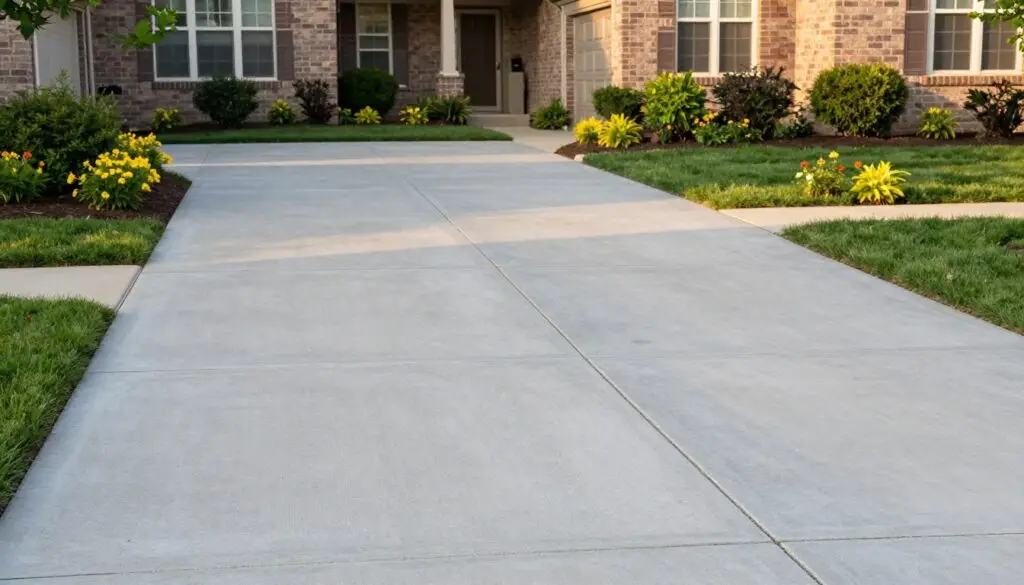
Sealing a concrete surface guards against water, stains, oil, and everyday wear. Choose a sealer that matches your finish goals—penetrating sealers for invisible defense or acrylics for a light film. Prep with a pressure washer and cleaner. Apply thin coats with a sprayer, roller, and brush. Address small cracks early and refresh the sealant on schedule.
For expert help, Anchored Construction & Restoration handles complete projects across Knoxville and nearby areas. They manage stain removal, product selection, and final finish for long‑lasting results. Call (865) 316-6933 or email Info@anchoredconstructiontn.com to schedule a consultation.